In today’s fast-paced world, taking care of our health is more important than ever. But with busy schedules and growing responsibilities, monitoring our physical well-being can often take a backseat. That’s where a wearable health band comes in—an innovative solution that puts real-time health data right at your fingertips. These sleek, smart devices are revolutionizing how we approach fitness, disease prevention, and everyday wellness.
What is a Wearable Health Band?
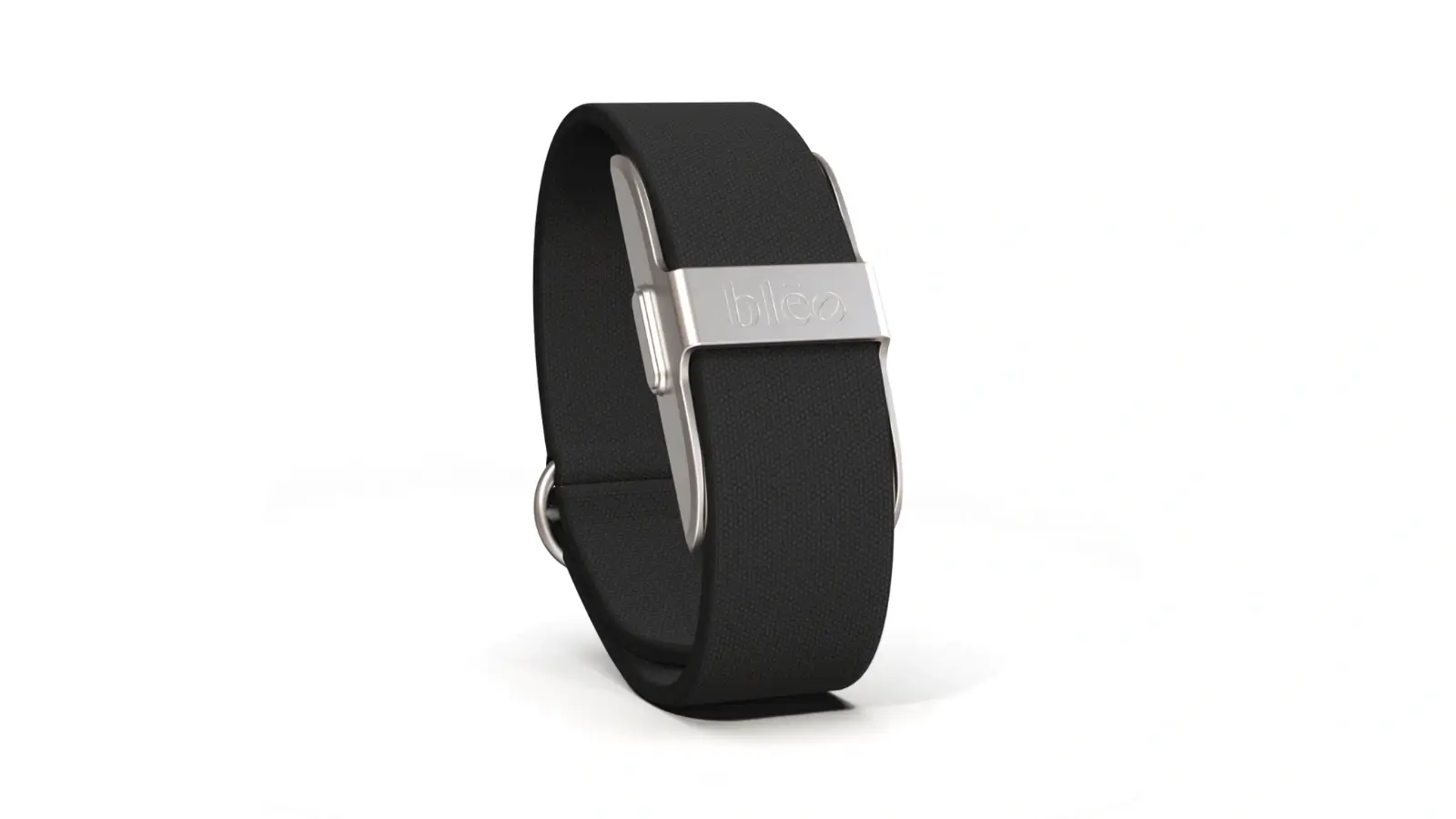
A wearable health band is a lightweight electronic device worn on the wrist like a watch. It uses various sensors to track different health metrics such as heart rate, steps taken, sleep quality, calories burned, and more. Some advanced models can even monitor blood oxygen levels (SpO2), detect stress levels, and offer ECG (electrocardiogram) features.
These bands sync with smartphone apps to provide users with insights, trends, and personalized recommendations. Whether you're an athlete, a fitness enthusiast, or someone simply looking to improve overall health, these wearables serve as an excellent daily companion.
How Do Wearable Health Bands Work?
Wearable health bands use sensors and accelerometers to monitor body movements and vital signs. Here's how they typically function:
1. Heart Rate Monitoring
Most bands use optical sensors that shine light into your skin and detect the rate of blood flow, which is used to calculate your pulse.
2. Step Counter
An accelerometer tracks your movement patterns throughout the day, counting your steps and calculating the distance covered.
3. Sleep Tracking
By analyzing your motion and heart rate at night, the device can estimate the duration and quality of your sleep, including light, deep, and REM stages.
4. Calorie Estimation
Using data like age, weight, height, and activity levels, the wearable provides an estimate of calories burned during various activities.
5. Blood Oxygen and Stress Monitoring
Newer models offer SpO2 and stress-level tracking through infrared sensors and heart rate variability analysis.
Benefits of Using a Wearable Health Band
The popularity of wearable health bands is not just a tech trend—they offer real, tangible health benefits:
1. Encourages Active Lifestyle
Seeing your step count or calorie burn in real-time can motivate you to walk more, take the stairs, or add a quick workout to your day.
2. Helps Monitor Chronic Conditions
People with heart-related conditions can benefit from features like heart rate alerts, ECG monitoring, and oxygen level detection, providing peace of mind and early warning signs.
3. Sleep Quality Insights
Understanding your sleep patterns can help you make lifestyle changes for better rest, which is essential for overall well-being.
4. Personalized Health Data
Wearable bands collect and analyze data over time, allowing you to identify trends, patterns, and areas for improvement in your health journey.
5. Goal Setting and Achievements
Most apps connected to wearables let you set health goals—like 10,000 steps a day or burning 500 calories—and track your progress. Achieving these small milestones keeps you motivated.
Best Features to Look for in a Health Band
Choosing the right health band depends on your individual needs. Here are some must-have features to consider:
-
Battery life (5–14 days is average)
-
Water resistance (especially for swimmers)
-
Sleep tracking
-
Heart rate monitoring
-
Blood oxygen sensor
-
Compatibility with iOS/Android
-
Fitness and sports tracking modes
-
App ecosystem and health data visualization
The Rise of Best Health Tracking Devices
The market is flooded with health tracking devices, but only a few stand out due to their innovation, accuracy, and user experience. Some of the best health tracking devices currently dominating the market include:
1. Fitbit Charge Series
Fitbit has been a pioneer in health tracking wearables. The Charge 5 and Charge 6 offer robust health tracking with sleep analysis, ECG, GPS, and a stress management score.
2. Apple Watch Series
The Apple Watch (Series 8 and Ultra models) is more than just a smartwatch—it’s a powerful health tool with ECG, blood oxygen, fall detection, and temperature tracking features.
3. Garmin Vivosmart and Forerunner
Garmin’s wearables are preferred by athletes and serious fitness enthusiasts. Their heart rate accuracy, VO2 max tracking, and sports modes are industry-leading.
4. Xiaomi Mi Band Series
If you're on a budget, the Mi Band offers excellent value with step tracking, heart rate monitoring, and long battery life—ideal for everyday use.
5. WHOOP Strap
Unlike traditional fitness trackers, WHOOP is subscription-based and focuses heavily on recovery, strain, and sleep analytics—perfect for performance-driven users.
These best health tracking devices are designed not just to collect data, but to help you take actionable steps toward a healthier lifestyle.
Wearable Health Bands and the Future of Healthcare
The integration of wearable health bands into the healthcare ecosystem is gaining momentum. Hospitals and clinics are exploring how these devices can support remote patient monitoring (RPM), particularly for post-surgery recovery, chronic disease management, and elderly care.
Healthcare professionals can access real-time data from patients wearing these devices, leading to better diagnosis, faster interventions, and personalized treatment plans. This shift can drastically reduce hospital visits and overall healthcare costs.
In addition, AI integration into wearables is becoming more common. With machine learning, these devices can now offer personalized suggestions based on your health trends, habits, and anomalies. For example, if your resting heart rate increases consistently, the band may alert you to consult a physician.
Potential Challenges and Privacy Concerns
Despite their advantages, wearable health bands are not without limitations:
1. Accuracy Issues
While most wearables are generally accurate, they’re not medical-grade devices. Readings can be affected by skin tone, tattoos, tightness of the band, and user activity.
2. Data Privacy
With so much personal health data being collected, privacy is a growing concern. Users must be cautious and review the data-sharing policies of both the device and associated apps.
3. Over-Reliance on Technology
Some users may become overly dependent on their wearables, causing stress or anxiety when metrics don’t meet expectations. It's important to use these tools as guides, not definitive health verdicts.
Conclusion
A wearable health band is more than just a fitness accessory—it's a powerful tool that empowers individuals to take control of their health in a convenient and data-driven way. As technology continues to advance, these devices are becoming more accurate, feature-rich, and integrated into our daily lives and even professional healthcare systems.
Whether you're aiming to stay active, sleep better, or monitor a chronic condition, investing in one of the best health tracking devices can make a meaningful difference. However, it’s essential to balance technology with awareness, common sense, and consultation with healthcare professionals when necessary.
Start with a band that suits your lifestyle, and let technology help guide you on your wellness journey—step by step.
Business Outstanders brings you sharp insights on tech, business, entrepreneurship, law, crypto, and more. We uncover what’s next. Stay updated, sign up for our newsletter and be part of the future!