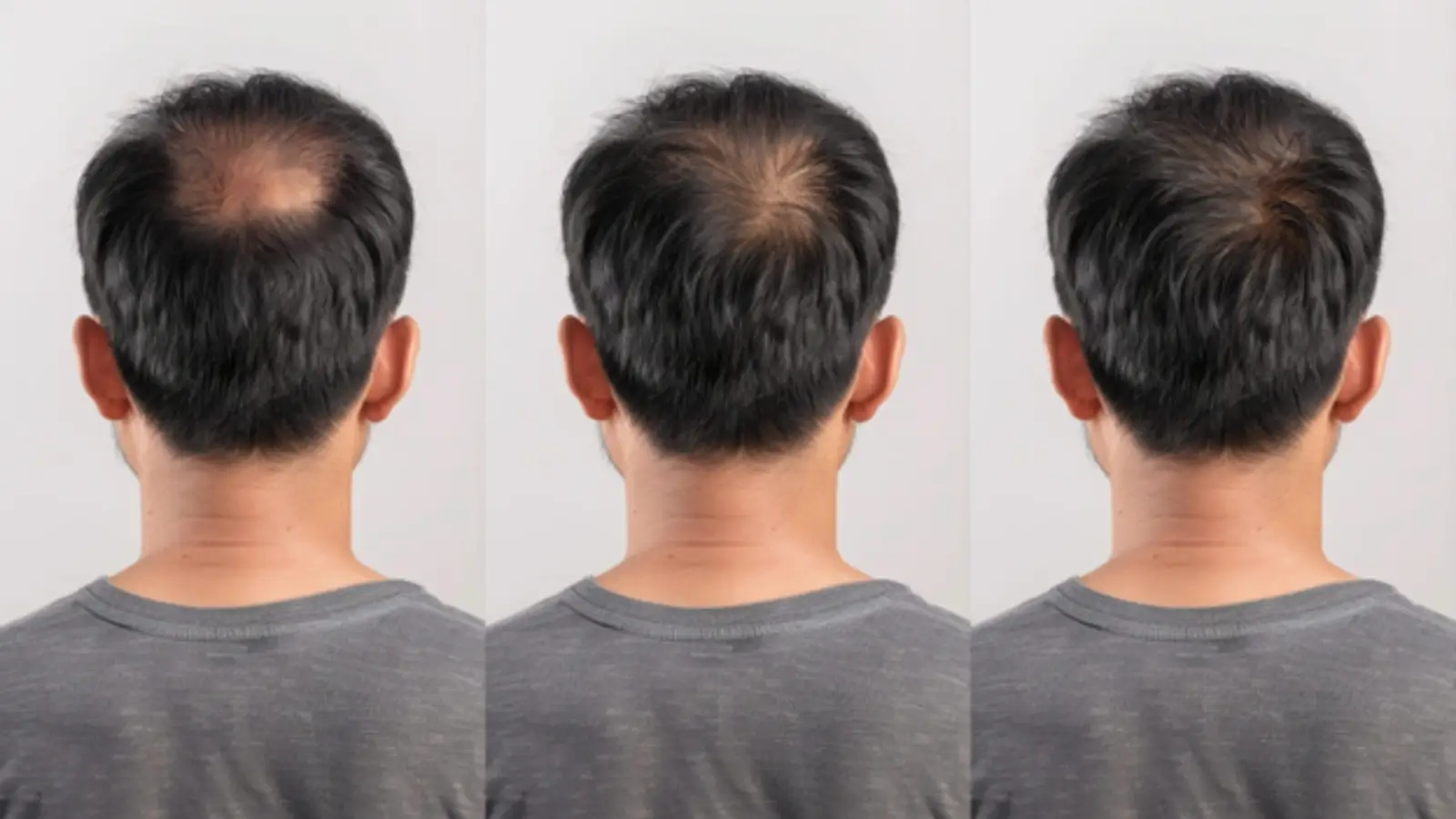
Hair loss (alopecia) is a common and often distressing condition that affects people of all ages and genders. Understanding the underlying cause is the crucial first step, as treatment is highly dependent on the diagnosis.
Common Causes of Hair Loss
Hair loss is typically categorized as either temporary shedding (e.g., Telogen Effluvium) or permanent thinning/baldness (e.g., Androgenetic Alopecia).
1. Hereditary & Hormonal Causes (Most Common)
a) Androgenetic Alopecia (Pattern Baldness): This is the most common cause worldwide, driven by genetics and a sensitivity to the hormone Dihydrotestosterone (DHT).
- In Men: Characterized by a receding hairline and/or thinning at the crown.
- In Women: Characterized by overall diffuse thinning across the top of the scalp and a widening of the central hair part.
b) Hormonal Changes: Significant fluctuations can trigger hair shedding:
- Pregnancy/Childbirth (Postpartum Effluvium): Dramatic shedding several months after giving birth.
- Menopause: Decline in estrogen levels can lead to thinner, more brittle hair.
- Thyroid Issues: Both an overactive (hyper) or underactive (hypo) thyroid gland can cause temporary hair thinning.
2. Temporary & Stress-Related Causes
a) Telogen Effluvium (TE): A sudden, widespread thinning of hair over the entire scalp, typically occurring 2-3 months after a significant physical or emotional shock.
- Triggers: Severe illness (high fever/infection), major surgery, sudden drastic weight loss, crash dieting, or intense chronic stress.
- Prognosis: This type of hair loss is usually reversible once the underlying stressor is resolved, with hair regrowth its normal fullness in 6 to 9 months.
3. Other Medical & Lifestyle Causes
- Alopecia Areata: An autoimmune disease where the immune system mistakenly attacks the hair follicles, causing smooth, round, patchy bald spots.
- Nutritional Deficiencies: A lack of essential vitamins and minerals—particularly Iron (Anemia), Zinc, Vitamin D, and Protein—can impair hair growth and lead to shedding.
- Hairstyles & Chemicals (Traction Alopecia): Constant pulling from tight hairstyles (braids, tight ponytails, extensions) or damage from chemical treatments (perms, bleaching) can permanently damage the follicle.
- Medications: Certain drugs used for cancer (chemotherapy), arthritis, depression, and high blood pressure can cause hair loss.
Effective Treatments and Regrowth Options
The most effective treatment always targets the specific cause identified by a healthcare professional (often a dermatologist).
|
Treatment Category |
Key Options |
How It Works |
|
Topical Medications (OTC) |
Minoxidil (Rogaine®): Available over the counter in foam or liquid. |
Stimulates blood flow to the scalp and increases the hair growth (anagen) phase. Must be used continuously to maintain results. |
|
Oral Medications (Prescription) |
Finasteride (Propecia®) / Dutasteride (Avodart): Primarily for men with pattern baldness. |
Inhibits the enzyme that converts testosterone into the hair-shrinking hormone DHT, slowing or stopping hair loss. |
|
In-Office Therapies |
Platelet-Rich Plasma (PRP): The patient's blood is drawn, processed to concentrate platelets, and then injected into the scalp. |
Growth factors in the plasma stimulate inactive hair follicles and promote thicker, denser hair growth. |
|
Light/Laser Therapy |
Low-Level Laser Therapy (LLLT): Devices (caps, combs, or clinical machines) emit red light. |
Stimulates cellular activity in the follicles, boosting metabolism and promoting the growth phase. |
|
Surgical Options |
Hair Transplant Surgery (FUE/FUT): Follicular units are taken from a donor area (usually the back of the head) and permanently transplanted to the thinning or bald areas. |
Provides a permanent redistribution of hair, covering bald spots with active follicles. |
Lifestyle and Nutritional Support
Regardless of medical treatment, optimizing internal health is key for hair vitality:
- Protein: Hair is made of protein (keratin). Ensure adequate intake of lean meats, eggs, fish, and legumes.
- Iron & Zinc: Deficiencies are common; consume foods like leafy greens, red meat, and oysters/beans.
- Stress Management: High cortisol levels from chronic stress push hair into the shedding phase. Incorporate practices like yoga, meditation, and adequate sleep (7-9 hours).
- Gentle Care: Avoid harsh chemicals, excessive heat styling, and hairstyles that pull tightly on the scalp.
Conclusion
Hair loss is a multifaceted condition with a variety of causes, ranging from genetics and hormonal shifts to nutritional deficiencies and stress. Accurate diagnosis by a healthcare professional is essential to determine the most effective treatment strategy. Fortunately, numerous options are available—from topical and oral medications to advanced therapies and surgical procedures—that can help restore hair growth and improve scalp health. Coupled with lifestyle adjustments, such as a balanced diet, stress management, and gentle hair care, individuals can take proactive steps toward regaining their confidence and achieving healthier hair. Understanding the underlying factors and exploring personalized treatment plans offer the best path to reversing hair loss and promoting natural regrowth.
Business Outstanders brings you sharp insights on tech, business, entrepreneurship, law, crypto, and more. We uncover what’s next. Stay updated, sign up for our newsletter and be part of the future!