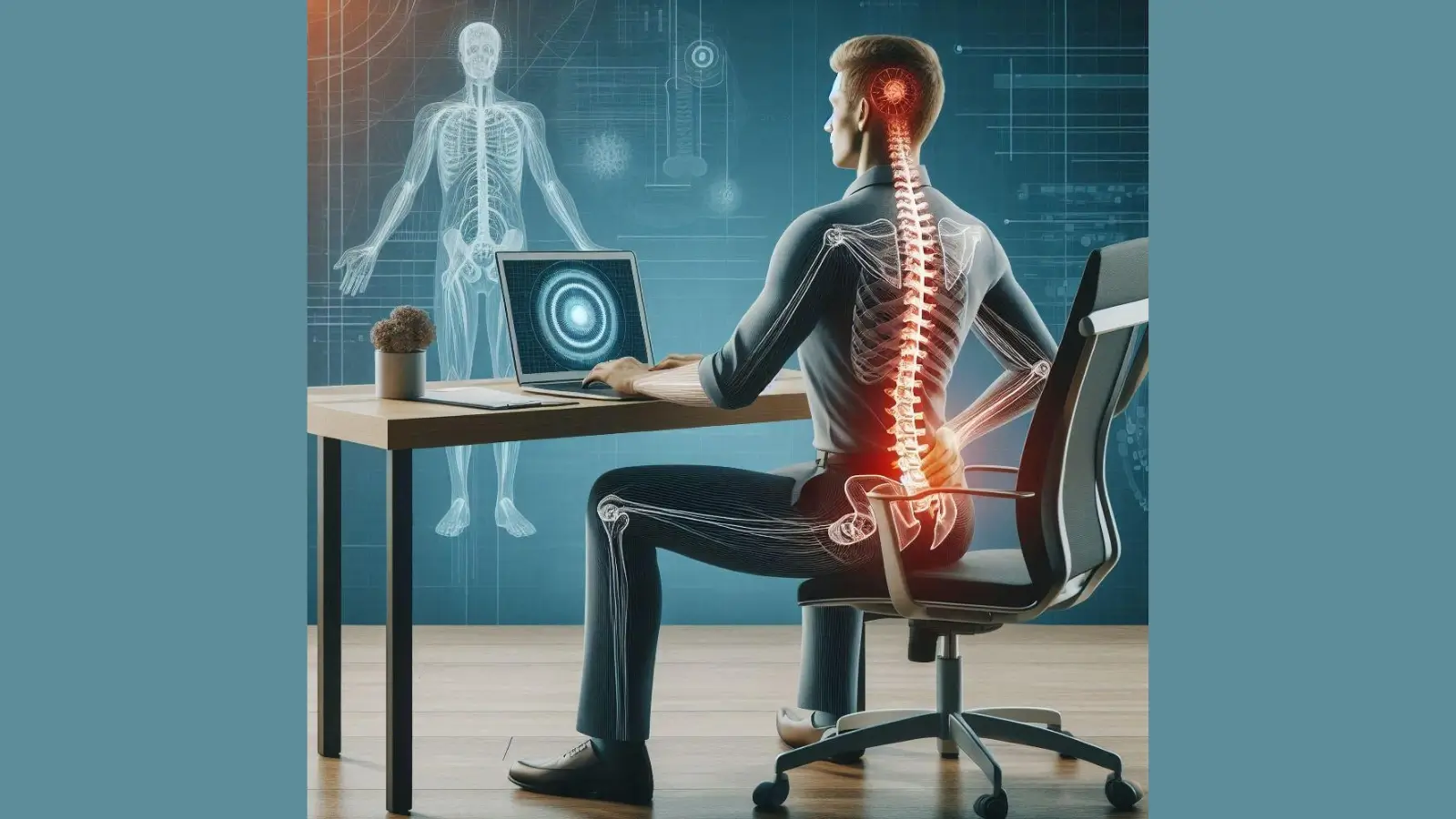
Hybrid employees are redefining where and how we work. Flexibility is great, but the mix of office desks, dining tables, and couches means your spine faces new kinds of stress.
Too many people ignore little aches, thinking that a sore back is simply the cost of getting things done. In reality, ignoring your spinal health can lead to chronic pain, missed workdays, or even nerve injuries.
Let us get practical.
Here are real strategies, backed by science, that can help protect your spine and keep you comfortable whether you work from home, a café, or the corporate office.
Three Key Tips for a Healthier Work Spine
-
Optimize Your Workstation: Choose a chair that supports your natural lower back curve. Adjust your monitor so your eyes look straight ahead, not down. Keep your feet flat on the floor, and make sure your keyboard is at elbow height.
-
Take Microbreaks, not Just Lunch Breaks: Every 30 to 45 minutes, stand up. Walk around, stretch your arms overhead, roll your shoulders. These short breaks help keep nerves happy and muscles loose.
-
Add Simple Posture Moves: Shrug your shoulders up, then let them drop. Tuck your chin back gently to stretch your neck. Try standing and sitting tall, holding that posture for five breaths. These activities may seem small, but they truly add up over the day.
Spotting Trouble Early: More than Muscle Strain
When is a backache just soreness, and when is it something serious? Many hybrid workers get used to small muscle twinges, but nerve pain or damage in the center of your back is another matter.
How to Recognize Thoracic Nerve Problems
Some warning signs stand out.
If you notice sharp, shooting pain in your mid-back, or if you feel numbness or tingling that radiates around your ribs or chest, take it seriously. Weakness in specific muscles or any loss of bladder control means you need help right away.
Managers and HR leaders should encourage employees to tell someone about any new or unusual symptoms. Quick reporting can prevent simple issues from turning into lasting injuries.
If you find yourself wondering about persistent pain or nerve signs, you may benefit from reading more about thoracic radiculopathy, a condition that is often missed but can cause long-term problems.
Ignoring small aches is like ignoring a warning light on your dashboard. Pay attention and act early to prevent bigger problems.
To Sum it Up
Spinal nerves connect your back to the rest of your body and are sensitive to pressure or irritation, especially when you sit for long periods in awkward positions.
Most back pain comes from tired or strained muscles, but nerve problems often cause unusual electric feelings, tingling, or even loss of strength.
Building healthy work habits, noticing symptoms early, and reaching out for professional help when needed give your team the greatest possible protection. With these straightforward strategies, everyone can work confidently and keep their spines healthy no matter where their job takes them in today’s flexible work environment.
Business Outstanders brings you sharp insights on tech, business, entrepreneurship, law, crypto, and more. We uncover what’s next. Stay updated, sign up for our newsletter and be part of the future!