Metformin remains one of the most prescribed medications for managing type 2 diabetes worldwide. Its reputation for effectiveness, safety, and affordability makes it a cornerstone in diabetes care. However, the Metformin price varies widely across different markets and patient circumstances. This article explores the factors that affect Metformin pricing, strategies for securing affordable medication, and also sheds light on the rising interest in Rapamycin—where and how to Rapamycin buy safely.
Understanding Metformin: What Makes It So Essential?
Metformin is a biguanide-class oral medication primarily used to lower blood glucose levels in type 2 diabetes patients. By reducing glucose production in the liver and improving insulin sensitivity, Metformin helps stabilize blood sugar levels effectively and safely. Since its launch in the 1950s, it has become the gold standard in diabetes management due to its low cost and limited side effects compared to other drugs.
What Drives the Variability in Metformin Price?
1. Brand Name Versus Generic Versions
One of the most significant influences on Metformin price is whether you’re purchasing a brand-name product or a generic alternative. Generics provide the same therapeutic benefits but typically come at a fraction of the cost due to less marketing and competition among manufacturers.
-
Brand-name Metformin: These tend to be more expensive due to development and marketing expenses.
-
Generic Metformin: More affordable, widely available, and often the first choice for cost-conscious patients.
2. Dosage Strengths and Release Mechanisms
Metformin is available in various strengths (commonly 500 mg, 850 mg, and 1000 mg) and formulations such as immediate-release (IR) and extended-release (ER). Extended-release forms often come at a premium because of their convenience and steady absorption properties.
3. Geographic and Regulatory Influences
The price you pay for Metformin depends heavily on your country and the local healthcare system. Countries with government-negotiated drug prices or subsidies generally have much lower costs for Metformin compared to nations with privatized healthcare markets.
4. Insurance Coverage and Pharmacy Discounts
In many regions, especially in the United States, insurance plans significantly affect out-of-pocket expenses for Metformin. Additionally, pharmacies may offer discount programs, coupons, or membership benefits that reduce the cost.
5. Supply Chain and Manufacturing Factors
Manufacturing costs, distribution fees, and pharmacy markups all factor into the final price. Large-scale production and competition among suppliers usually help keep Metformin affordable on a global scale.
Typical Price Ranges: What Should Patients Expect?
-
Generic Metformin: A 30-day supply can range from as low as $4 to around $20, depending on location, dosage, and pharmacy.
-
Brand-name Metformin (e.g., Glucophage): Costs may vary widely from $30 to over $100 per month.
-
Extended-release forms: These are typically priced higher, sometimes doubling the cost of immediate-release formulations.
How to Save Money on Metformin
For patients looking to reduce their medication costs, here are some helpful strategies:
-
Choose generics: Always ask your healthcare provider if a generic option is suitable.
-
Use discount cards or apps: Many pharmacies offer savings programs that can dramatically cut costs.
-
Buy in bulk: Purchasing a 90-day supply often results in a lower cost per pill.
-
Shop around: Prices can vary between local and online pharmacies—comparing can lead to big savings.
-
Consult your doctor: Sometimes, adjusting dosages or switching formulations can help reduce costs without compromising treatment.
Exploring Rapamycin: The New Frontier in Healthspan Research
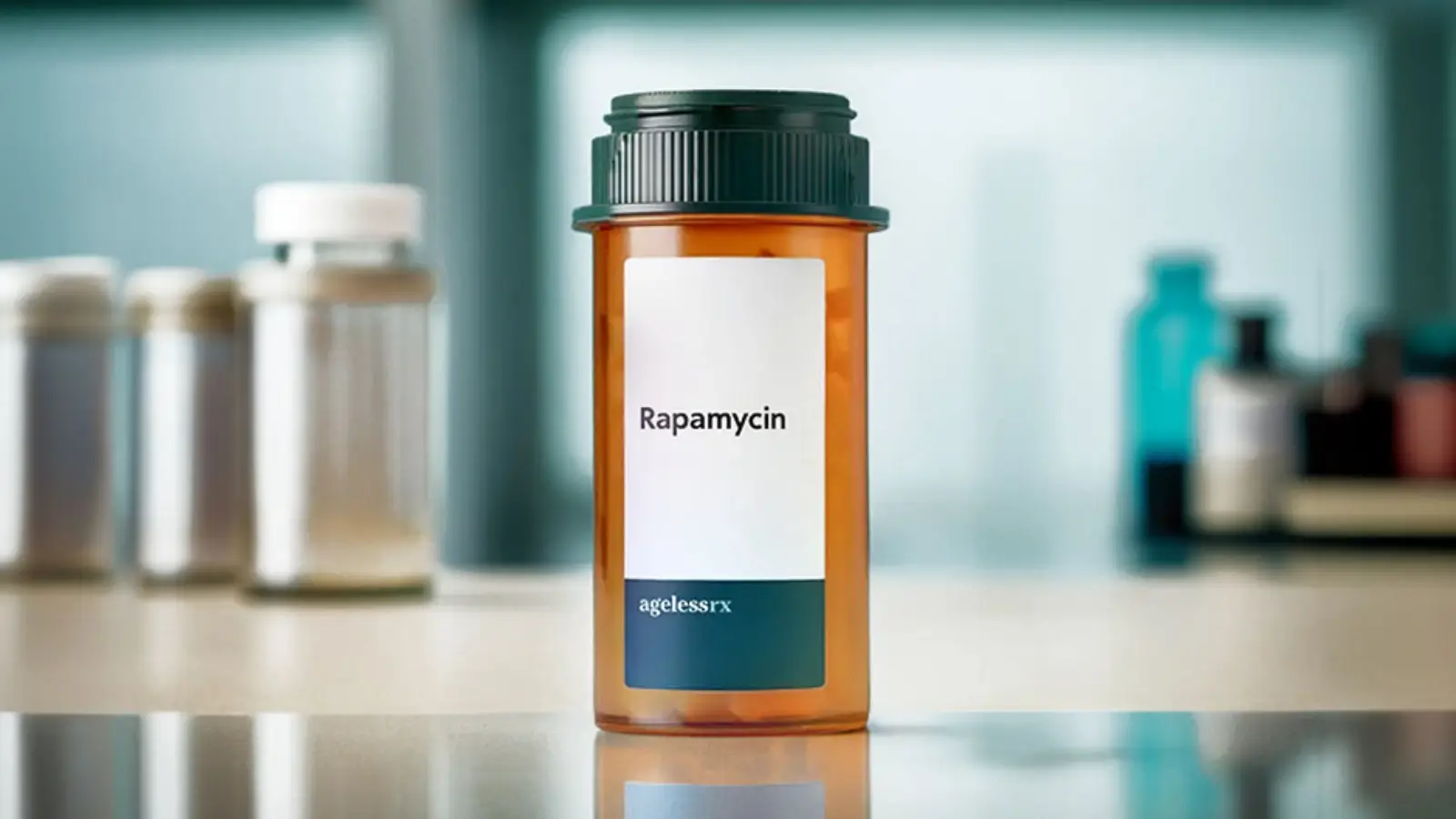
While Metformin focuses on diabetes management, there is growing scientific curiosity about Rapamycin, a drug originally used for immunosuppression in organ transplant patients. Research now explores its potential in slowing aging and improving metabolic health.
What is Rapamycin?
Rapamycin works by inhibiting a cellular pathway called mTOR, which plays a crucial role in cell growth and metabolism. By modulating this pathway, Rapamycin has shown promise in animal studies for extending lifespan and reducing age-related diseases.
Why the Rising Interest?
Unlike traditional drugs that treat symptoms, Rapamycin may target the biological processes of aging, offering potential benefits beyond disease treatment.
Where to Rapamycin Buy?
-
Prescription-only: Rapamycin is not an over-the-counter drug. It must be prescribed and dispensed by licensed healthcare providers and specialty pharmacies.
-
Avoid unregulated sources: Purchasing Rapamycin from unauthorized sellers risks receiving counterfeit or unsafe products.
-
Medical supervision: Given its potent immunosuppressive effects, Rapamycin use requires close monitoring by healthcare professionals.
Final Thoughts
Understanding the nuances behind Metformin price helps patients make informed decisions about their diabetes care. With multiple generics available and various cost-saving options, Metformin remains an affordable, effective treatment for millions.
At the same time, the growing exploration of drugs like Rapamycin opens exciting possibilities in healthspan extension but also underscores the importance of medical guidance when acquiring such therapies.
If you want to learn more about managing medication costs or safely navigating where to Rapamycin buy, feel free to reach out with your questions!
Business Outstanders brings you sharp insights on tech, business, entrepreneurship, law, crypto, and more. We uncover what’s next. Stay updated, sign up for our newsletter and be part of the future!