What Makes Intravenous Nutrient Delivery Different From Oral Supplements?
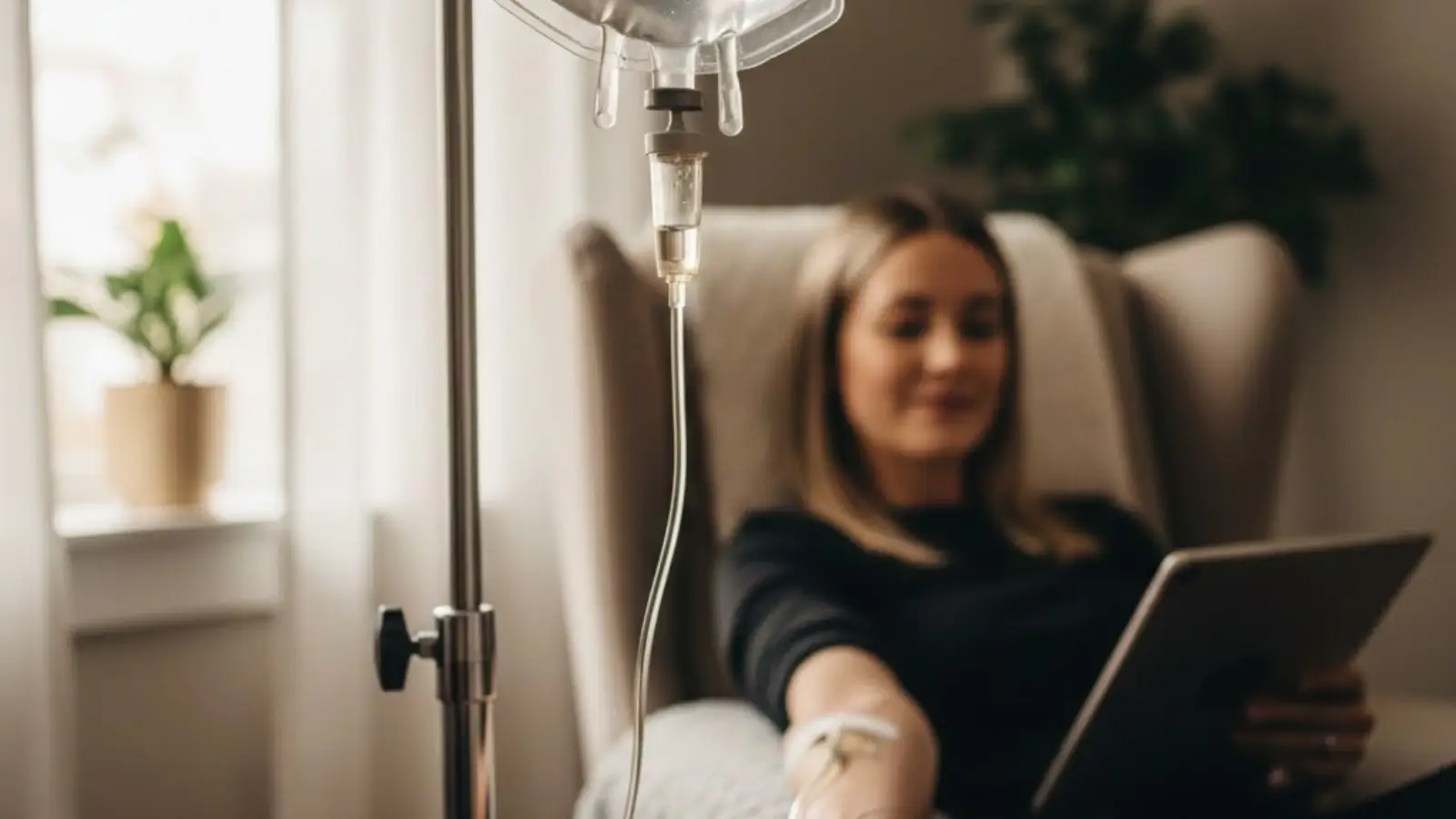
Intravenous nutrient therapy delivers vitamins, minerals, and fluids directly into the bloodstream through a sterile catheter. This method bypasses the gastrointestinal tract entirely. Oral supplements achieve 20-50% bioavailability depending on digestive efficiency. IV therapy achieves 90-100% bioavailability according to research published by the National Institutes of Health in 2025. The digestive system breaks down nutrients through stomach acid, enzyme activity, and hepatic first-pass metabolism. These processes reduce nutrient potency before reaching systemic circulation.
Direct bloodstream delivery eliminates absorption barriers. Nutrients become immediately available to cells and tissues. A 2022 clinical survey demonstrated that patients receiving IV hydration for gastrointestinal-induced dehydration reported symptom relief within 60 minutes in 80% of cases. This represents a significant time advantage over oral rehydration.
Digestive disorders further complicate oral absorption. Crohn's disease, celiac disease, irritable bowel syndrome, and chronic inflammatory conditions drastically reduce nutrient uptake from oral supplements. According to clinical research from PMC in 2025, IV Therapy Viera, FL, provides virtually 100% bioavailability with no digestive system interference.
How Does Bioavailability Impact Treatment Effectiveness?
Bioavailability measures the proportion of nutrients that reach systemic circulation in active form. Oral vitamin C supplements at 1000mg doses achieve approximately 56% absorption. The remaining 44% pass through without benefit. IV vitamin C therapy achieves plasma concentrations 100 times higher than oral administration, according to multiple clinical studies. High-dose vitamin C at 25-50 grams delivered intravenously substantially enhances immune function and reduces inflammation within hours.
Calcium and magnesium compete for identical intestinal transport pathways. High doses of one mineral inhibit absorption of the other by 40-60%. Dietary fiber binds to zinc, iron, and magnesium, reducing their bioavailability by 30-45%. IV therapy eliminates these competitive interactions. Each nutrient enters the bloodstream at prescribed concentrations without interference.
According to research published in the Journal of Clinical Medicine, IV therapy rehydrates patients 60% faster than oral intake. This speed difference becomes critical during moderate to severe dehydration episodes. The digestive system requires time for gastric emptying, intestinal absorption, and hepatic processing. IV delivery circumvents these rate-limiting steps.
What Clinical Evidence Supports IV Wellness Applications?
Research on IV vitamin therapy shows mixed outcomes depending on patient populations. A 2009 study from the Integrative Medicine Center in Connecticut examined 34 adults with fibromyalgia receiving Myers' Cocktail infusions. After eight weeks, participants experienced improvements in pain, depression, and quality of life. However, placebo groups also reported significant improvements. Small sample size and high placebo effect mean actual effectiveness remains uncertain for fibromyalgia specifically.
Research from The American Journal of Emergency Medicine demonstrated that IV magnesium sulfate significantly decreased headache severity in acute migraine patients. A complementary study in the journal Headache found that IV magnesium sulfate reduced migraine pain within two hours of administration. These findings represent documented clinical applications beyond general wellness.
According to a meta-analysis in the Journal of Clinical Nursing, IV therapy reduced recovery time by 50% in severely dehydrated patients compared to oral hydration methods. The National Institutes of Health found that electrolyte-infused IV therapy reduced dehydration symptoms in 85% of patients within two hours. For medical dehydration treatment, evidence supports IV administration over oral alternatives.
A 2024 position statement from the American College of Clinical Pharmacology questioned IV wellness therapy benefits. Members noted that reports of unqualified individuals administering infusions raised safety concerns. The Federal Trade Commission previously challenged one Texas company for over-promoting Myers' cocktail benefits without supporting evidence. Mayo Clinic research from 2024 noted insufficient evidence for a vitamin cocktail in people without true deficiencies.
When Does IV Therapy Provide Documented Medical Benefit?
IV fluid administration shows clear medical benefit for dehydration exceeding 7% body weight loss. The World Health Organization recommends oral rehydration for mild to moderate dehydration. IV rehydration treats severe dehydration when oral intake proves inadequate. Clinical guidelines from emergency medicine establish IV therapy as standard care for heat exhaustion, severe gastroenteritis, and inability to retain oral fluids.
Athletes experiencing excessive fluid loss through sweat require rapid electrolyte replacement. Research from the National Athletic Trainers' Association showed that IV therapy reduced muscle cramps in athletes by 40% within one hour. However, the American College of Sports Medicine states that IV fluids provide no advantage over oral rehydration for athletes capable of drinking adequate fluids.
Post-surgical patients frequently require IV hydration due to restricted oral intake. A 2023 Mayo Clinic study demonstrated that patients receiving IV therapy post-surgery experienced a 50% reduction in recovery time compared to oral hydration alone. Surgical procedures, anesthesia effects, and pain medications often impair normal drinking capacity. IV therapy bridges this gap during critical recovery periods.
Malabsorption syndromes create a genuine need for IV nutrient delivery. Bariatric surgery patients, those with short bowel syndrome, chronic pancreatitis, or severe inflammatory bowel disease, often cannot absorb sufficient nutrients orally. IV therapy provides essential vitamins and minerals when digestive function fails. These represent legitimate medical indications with documented necessity.
What Nutrients Comprise Common IV Wellness Formulations?
Myers' Cocktail represents the most cited IV wellness formulation. This blend contains high-dose magnesium, calcium, B-complex vitamins, and vitamin C diluted in sterile saline. Single formulations deliver multiple nutrients simultaneously rather than requiring separate oral supplements. A standard Myers' Cocktail includes magnesium chloride at 2-5 grams, calcium gluconate at 1-3 grams, B-complex vitamins at therapeutic doses, and vitamin C at 5-25 grams.
B-complex vitamins support cellular energy production through metabolic pathways. Vitamin B12 facilitates red blood cell formation and neurological function. Deficiency causes fatigue, weakness, and cognitive impairment. IV B12 administration achieves peak plasma concentrations within 30 minutes. Oral B12 requires an intrinsic factor for absorption, which some individuals lack due to pernicious anemia or gastric conditions.
Magnesium participates in over 300 enzymatic reactions. This mineral supports muscle function, nerve transmission, blood pressure regulation, and glucose metabolism. Research indicates that magnesium deficiency remains prevalent, particularly in intensive care patients. IV magnesium sulfate treats acute migraines, pre-eclampsia, and cardiac arrhythmias in hospital settings. Wellness applications extrapolate from these medical uses.
Vitamin C functions as a powerful antioxidant, protecting cells from oxidative damage. This vitamin supports immune system activity, collagen synthesis, and wound healing. According to PMC research from 2025, high-dose vitamin C at 25-50 grams intravenously enhances immune function and reduces inflammation. Oral vitamin C causes osmotic diarrhea at high doses, limiting therapeutic applications. IV delivery avoids gastrointestinal side effects entirely.
How Should Patients Evaluate IV Therapy Safety and Suitability?
Medical supervision ensures appropriate candidate selection. Patients with cardiovascular disease, kidney dysfunction, or electrolyte imbalances require careful assessment before IV therapy. Fluid overload represents a potential complication if excessive volume is infused too rapidly. Heart failure patients and those with compromised renal function face an elevated risk.
Qualified medical professionals must perform venipuncture and monitor infusions. The American College of Clinical Pharmacology expressed concern about unqualified individuals administering IV therapies in some wellness centers. Proper sterile technique prevents infection at insertion sites. Healthcare providers should verify credentials, training, and medical oversight before receiving treatment.
Patients should disclose all medications, allergies, and health conditions. Drug interactions occur between IV nutrients and prescription medications. Blood thinners interact with vitamin K. Certain antibiotics interact with calcium. Complete medical history enables providers to customize formulations safely.
Research from CU Anschutz metabolism researchers in 2023 noted that most IV bar claims lack rigorous testing. Scientists emphasized that marketing budgets exceed research investment in many wellness companies. Consumers should distinguish between documented medical applications and promotional claims. Evidence-based decision-making requires examining peer-reviewed studies rather than anecdotal testimonials.
What Distinguishes Therapeutic Applications From Wellness Marketing?
Medical necessity differs fundamentally from elective wellness optimization. Treating severe dehydration, documented nutrient deficiencies, or malabsorption syndromes represents evidence-based medicine. Enhancing energy, boosting immunity, or improving athletic performance in healthy individuals lacks equivalent research support. According to a 2020 systematic review, insufficient evidence exists to recommend multivitamin IV therapy outside medical settings.
Patients with normal nutritional intake and no digestive disorders may not experience a meaningful benefit. The body excretes excess water-soluble vitamins through urine. Harvard Health Publishing researchers noted in 2020 that expensive IV vitamin treatments may produce expensive urine rather than lasting health improvements. Cost-benefit analysis becomes important consideration.
Placebo effects contribute significantly to perceived benefits. Expectations, clinical setting, and attention from healthcare providers influence subjective experiences. The 2009 fibromyalgia study demonstrated substantial placebo responses among control groups. Distinguishing genuine physiological effects from psychological factors requires controlled research designs.
Individual response variation means some people benefit while the majority may not. Genetic factors, baseline nutrient status, concurrent health conditions, and lifestyle factors all influence outcomes. Personalized medical assessment identifies who represents an appropriate candidate rather than a universal application.
What Does Current Research Indicate About Future Applications?
Ongoing research explores IV therapy applications for cancer support, cognitive enhancement, and chronic disease management. High-dose vitamin C research examines potential adjunctive cancer treatment effects. Studies investigate whether IV vitamin C concentrations achieve levels that tumor cells find toxic. Results remain preliminary, with more research needed before clinical recommendations.
NAD+ (nicotinamide adenine dinucleotide) IV therapy represents an emerging area. This coenzyme plays an essential role in cellular energy production and DNA repair. Researchers investigate whether IV NAD+ supplementation slows aging processes or improves neurological function. Early-stage research shows promise but lacks definitive long-term outcome data.
Metabolomics technology enables researchers to measure hundreds of blood molecules efficiently. These analytical tools may identify specific subpopulations that benefit from targeted IV nutrient protocols. Precision medicine approaches could transform IV therapy from broad wellness claims to individualized therapeutic interventions based on metabolic profiles.
According to University of Colorado researchers in 2023, IV bars represent a current fad with potential future fact. New research methodologies and measurement technologies may establish legitimate applications beyond current evidence. However, consumers should base decisions on existing data rather than speculative possibilities.
How Does Professional Medical Oversight Improve Safety Outcomes?
Board-certified physicians provide essential clinical judgment. Medical doctors assess patient history, current medications, laboratory values, and contraindications before authorizing IV therapy. This professional evaluation prevents adverse events in high-risk individuals. Nurse practitioners and physician assistants with appropriate training also provide competent oversight.
Sterile pharmaceutical-grade nutrients meet rigorous manufacturing standards. GMP-certified facilities ensure consistent quality, purity, and potency. Medical-grade formulations differ from supplements purchased without a prescription. Contamination risks, inaccurate labeling, and substandard ingredients become concerns with unregulated products.
Monitoring during infusion detects complications early. Healthcare providers assess vital signs, observe for allergic reactions, and adjust infusion rates as needed. Immediate intervention capability distinguishes medical settings from unsupervised administration. Emergency equipment and trained personnel manage rare but serious complications.
Documentation creates a medical record supporting continuity of care. Primary care physicians benefit from knowing which IV therapies patients receive. Comprehensive records prevent dangerous interactions and duplicate treatments. Professional accountability mechanisms protect patient interests through established standards of practice.
What Should Patients Ask Before Choosing IV Therapy Services?
Does a licensed physician oversee all treatments? Medical supervision represents a fundamental safety requirement. Physicians should review each patient's case and authorize specific formulations. Some wellness centers operate without physician involvement, increasing risk exposure.
What credentials do staff members hold? Registered nurses, licensed practical nurses, or paramedics with IV certification should perform venipuncture. Training, experience, and continuing education demonstrate competence. Patients should verify professional licenses through state regulatory boards.
Where do nutrients come from? Pharmaceutical suppliers providing FDA-inspected products ensure quality standards. Sources, lot numbers, and expiration dates should be documented. Compounding pharmacies must follow USP standards for sterile preparations.
What evidence supports recommended formulations? Providers should cite specific research rather than general wellness claims. Distinguishing between published studies and marketing materials guides informed consent. Realistic expectations prevent disappointment and wasted resources.
What complications might occur? Honest discussion includes infection risks, vein irritation, allergic reactions, and rare serious events. Informed consent documents should detail potential adverse effects. Emergency protocols should exist for managing complications.
Where Can Viera Residents Access Professional IV Therapy Services?
Enfield Royal Clinic provides comprehensive IV therapy services under medical supervision. Board-certified oversight ensures patient safety and appropriate candidate selection. Experienced healthcare professionals perform all procedures following strict sterile protocols. Treatment plans customize nutrient formulations based on individual health assessments.
Services address both medical necessity and wellness optimization goals. Dehydration treatment, nutrient deficiency correction, immune support, and energy enhancement represent available options. Each patient receives a personalized evaluation before therapy initiation. Medical history review, current medication assessment, and health goal discussion inform treatment selection.
Convenient Viera location provides accessible care for Brevard County residents. A professional clinical environment maintains the highest standards for infection control and quality assurance. State-licensed practitioners follow evidence-based protocols while incorporating the latest research findings. Patient education emphasizes realistic expectations and ongoing health maintenance.
IV therapy represents one component of a comprehensive wellness strategy. Nutrition optimization, regular exercise, stress management, adequate sleep, and preventive care create a foundation for health. IV treatments supplement rather than replace fundamental lifestyle factors. Enfield Royal Clinic integrates IV services within a holistic health approach, addressing multiple wellness dimensions.
Scheduling a consultation allows detailed discussion of individual needs. Healthcare providers explain available formulations, expected outcomes, treatment frequency, and cost considerations. Questions receive thorough answers, enabling informed decision-making. Transparent communication builds trust and ensures patient satisfaction with chosen services.
Business Outstanders brings you sharp insights on tech, business, entrepreneurship, law, crypto, and more. We uncover what’s next. Stay updated, sign up for our newsletter and be part of the future!