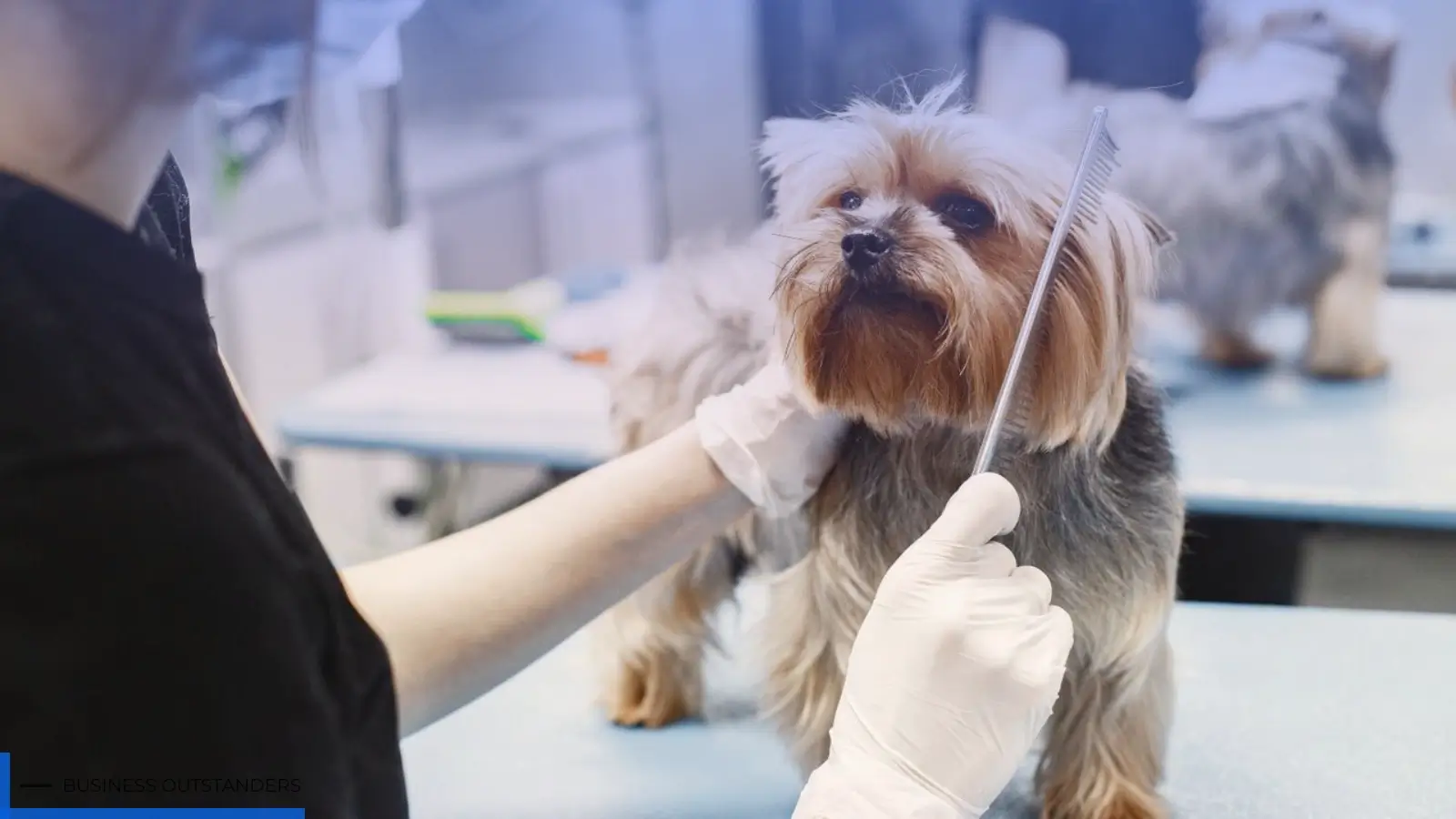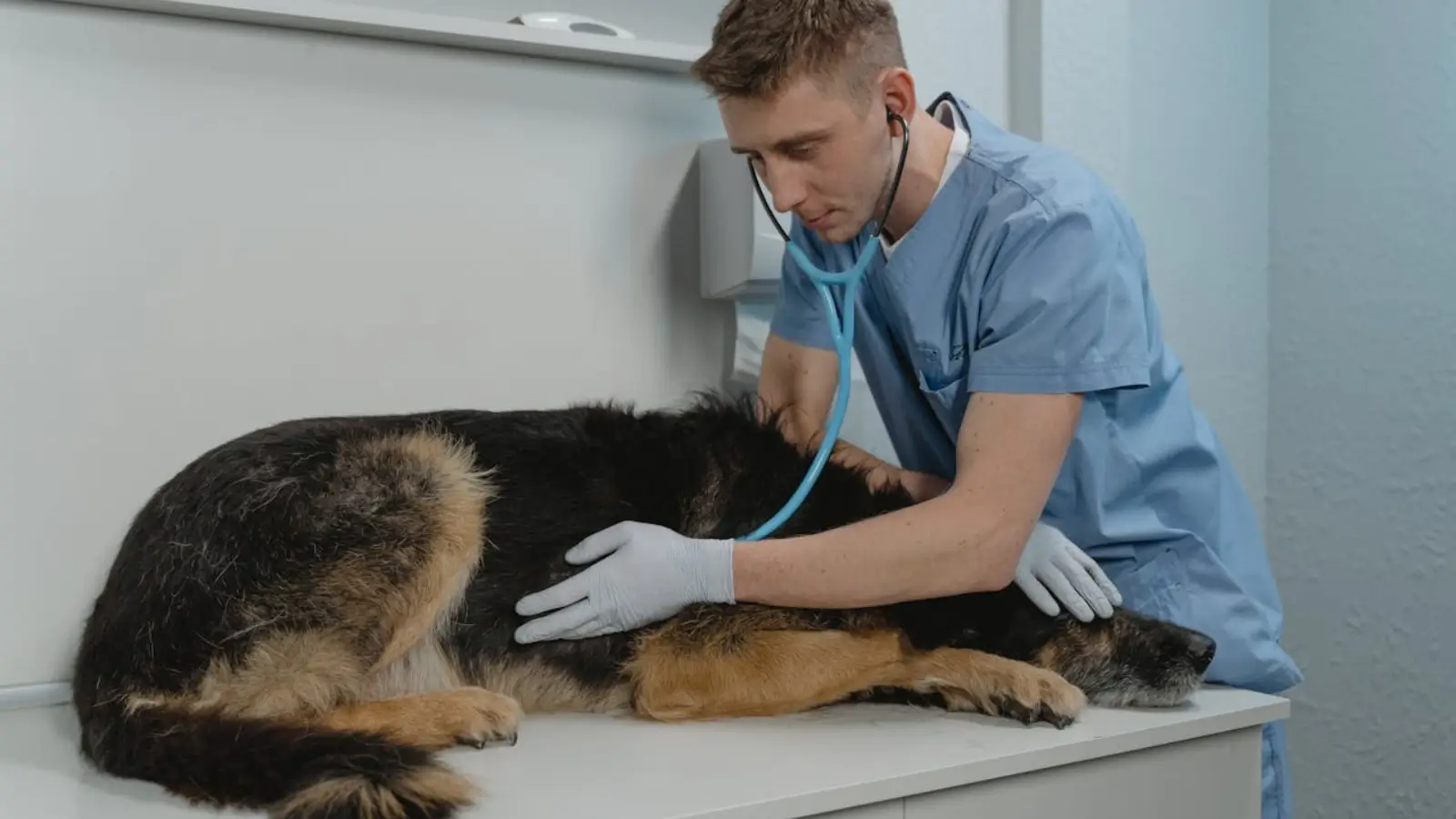
Find a Pet Hospital if you think your pet is unwell. Pets cannot express if they're in trouble, and therefore, we as owners need to be attentive to the possible signs and take action as quickly as possible. Knowing when to find pet hospitals for emergency care is the most crucial aspect of their life.
This guide covers situations when to consider calling their vet, common warning signs for urgent care, and other emergency preparations.
Understanding Why Caring in a Timely Manner is Important
As with any emergency, responding quickly with the right course of action generally provides better results. The same principle applies to your beloved cats and dogs. Understanding the warning signs is the first step in ensuring you and your pet have a long life together.
Potentially Life-Threatening Symptoms in Pets
Ignoring certain signs your pet is uncomfortable is not a good idea. Pets express discomfort in the form of signs, and it's vital to be attentive to the most common warning signals. Pets cannot express if they're in trouble; therefore, we as owners need to be attentive to the possible signs.
1. Struggling to Breathe
Rapid bouts of breathing, strained breathing, and coughing can indicate serious issues, including:
-
Cardiovascular or respiratory diseases
-
Allergic reactions
-
Airway blockages
If your pet struggles to breathe or is breathing noisily, contact a veterinarian right away. Medical help is needed immediately.
2. Uncontrolled Bleeding
Bleeding that doesn't stop within five minutes or bleeding from the nose, ears, or rectum, streams of blood also require emergency medical assistance. Uncontrolled bleeding can be due to internal injuries and bleeding disorders, and can rapidly become dangerous.
3. Severe Vomiting or Diarrhea
Vomiting and diarrhea, particularly when paired with blood, can be a sign of serious conditions like:
-
Poisons
-
Blockages
-
Infections or organ failure
Repeated vomiting or diarrhea can be dangerous, and moderate dehydration can become serious within a few hours.
4. Vomiting and Diarrhea
Pets can suffer from sudden collapse, loss of consciousness, or seizures. Associated with the following:
-
Epilepsy
-
Heart problems
-
Toxic exposure
-
Neurological issues
Visit a veterinarian right away to minimize any issues and determine the right solution.
5. Refusal To Eat or Drink For More Than A Day
While a dip in appetite for a few days is common in pets, a full day's food and water refusal signals:
-
Dental issues
-
Gastrointestinal problems
-
Kidney disease
Early assessment can avert or limit escalation.
6. Limping or Decreased Ability To Walk
While pets may conceal ailments, not putting weight on a limb or not walking may indicate:
-
Broken bones
-
Severe sprains
-
Joint issues
Timely assistance can decrease pain and recovery time.
7. Changes in The Color of Gums
Healthy gums should be pink. The following pale, blue, or bright red can indicate:
-
Poor oxygen levels
-
Shock
-
Internal bleeding
Checking your pet's gums regularly can help you spot issues quickly.
8. Swollen or Distended Abdomen
Bloating, especially in a restless or painful state, can be due to:
-
Internal bleeding
-
Organ concern
-
Gastric dilatation-volvulus (bloat)
Bloat is life-threatening and requires immediate intervention.
9. Trouble Urinating or Defecating
Straining to either pass urine or defecate could indicate a blockage. This is a critical emergency that is especially dire for male cats, as it may lead to organ failure within hours.
10. Sudden and Unexpected Changes
Unexplained behaviors like aggression, hiding, or lethargy could indicate an underlying issue. Listen to your intuition. If your pet is acting in a way that is concerning, it is best to see a vet.
Helping With a Pet Emergency
Taking action before an emergency arises can potentially save a lot of time.
1. Put Together a First-Aid Pet Kit
Make sure to include:
-
Gauze and bandages
-
Digital thermometer
-
Emergency contact numbers
-
Saline solution
-
Hydrogen peroxide (use as directed for poison guidance)
-
Essential health and emergency contacts
2. Always Have Emergency Vet Contacts On Hand
Time is of the essence. In case of an emergency, take a few minutes now to save the numbers of nearby find pet hospitals to your office or home. Having these numbers saved will save invaluable time.
3. Basic Pet CPR
Basic pet CPR can help stabilize your pet before reaching the hospital. Talk to your vet regarding training programs or community classes for proper training.
4. Reducing Pet Emergencies
Not all emergencies can be prevented, but taking preemptive actions can reduce the risks considerably.
5. Regular Checkups
From dental diseases to heart issues, routine checkups allow veterinary specialists to tackle problems in a timely manner. Alongside prevention, issues are less likely to escalate when caught earlier.
6. Safe Environments
Removing toxic hemispheres is cardinal to creating and maintaining a safe environment. These can include:
-
Grapes and raisins
-
Cleaning supplies
-
Chocolate
-
Lilies (toxic to cats)
7. Monitor Exercise and Play
Playing together with your pets is one of the best ways to physically and emotionally bond with them. Keeping an eye out during playtime can also help your pets avoid injuries from falls or fights.
8. Weight and Diet Management
Having a balanced diet alongside proper weight for your pets can help avoid heart problems, diabetes, and joint issues.
What To Do During An Emergency
Stay Calm
In all walks of life, staying calm is one of the best ways to respond in the best manner possible.
Call Ahead
Letting the clinic or hospital know of your impending arrival allows them to prep for immediate care when you arrive.
Safely Transport Your Pet
Your pet can be safely transported using a carrier or a securely locked crate. If your pet is larger, a blanket can help become a stretcher.
Scenarios That Require Immediate Vet Attention.
Some signs are glaringly obvious, while others are more discreet yet life-threatening. Call a veterinarian immediately if you observe:
-
PERSISTENT COUGHING
-
TREMORS OR SHAKING
-
EXCESSIVE DROOLING
-
LOSS OF BALANCE
-
RESTLESSNESS
It's always best to err on the side of caution instead of waiting and putting your furry friend at risk.
Routine Monitoring and Documentation
Documentation is essential after an emergency incident. Keep an updated log of your pet's symptoms, medications, and recovery. Checkups are a good opportunity to share the recorded data with your veterinarian to ensure correct and complete care.
Importance of an Established Vet.
An animal hospital with an established veterinarian is the most practical. Your furry friend will need to be taken in for a health evaluation and vaccination, so you'll know how the vet operates.
Having an emergency plan with an established vet and a trusted hospital allows you to focus on your pet. This also alleviates the burden of preparing and looking for a veterinarian under time pressure.
Conclusion
Looking after your animal involves being vigilant and responding to telltale signs and acting promptly when urgent situations arise. Understanding symptoms and having a first-aid kit for pets, along with pet hospitals, makes a huge difference.
When your furry friend needs assistance, along with awareness, there is a possibility to provide the best care. Here at Veterinarian Today, we are dedicated to assisting you with the health, safety, and happiness of your pets.
Business Outstanders brings you sharp insights on tech, business, entrepreneurship, law, crypto, and more. We uncover what’s next. Stay updated, sign up for our newsletter and be part of the future!