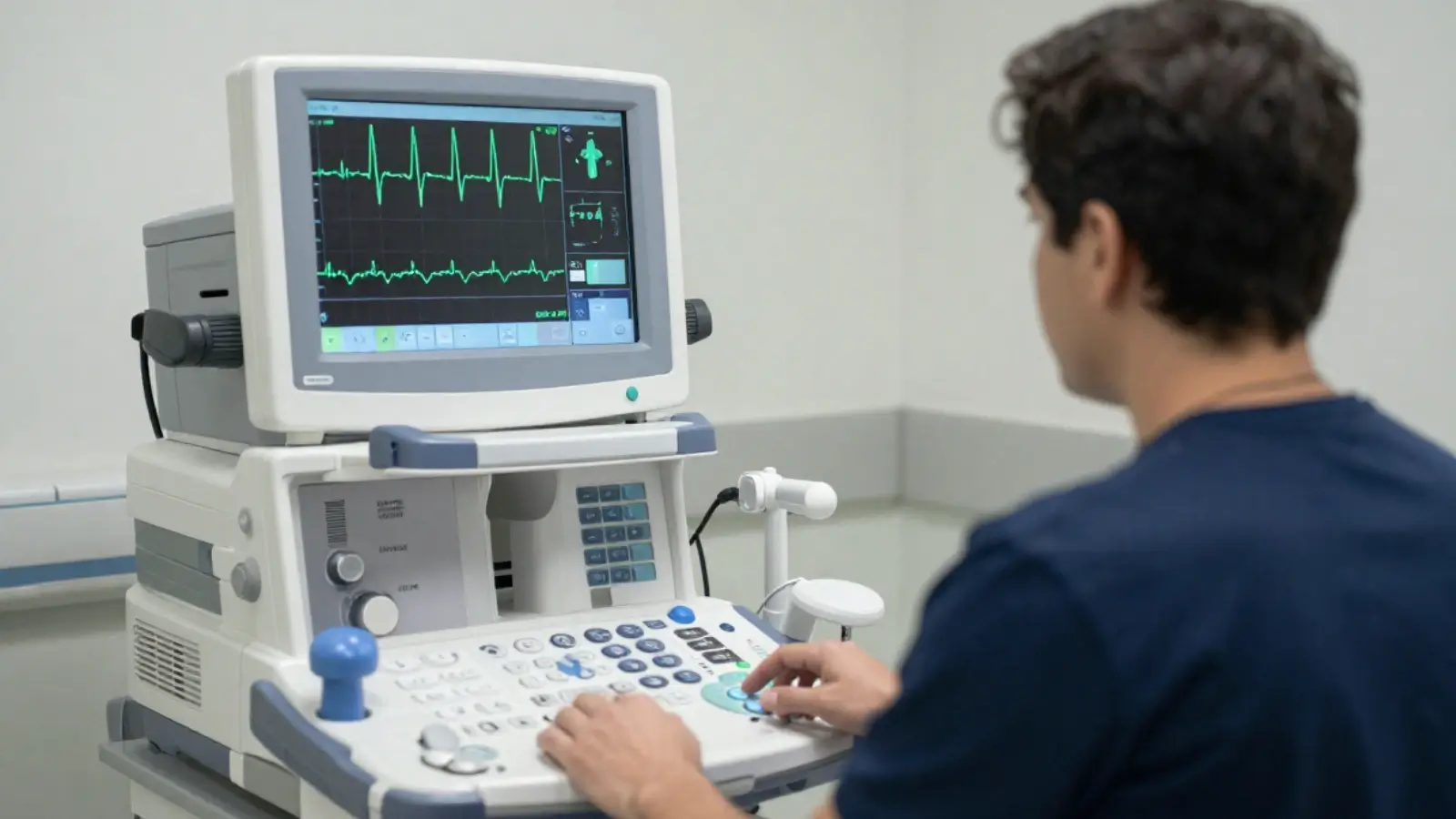
In every clinical environment, from large hospitals to specialized outpatient centers, an ECG machine remains one of the most essential diagnostic tools in modern cardiology. While technology continues to advance, the electrocardiogram still provides the fastest and most reliable method for detecting abnormalities in heart rhythm, conduction, and electrical activity. For healthcare organizations, investing in a high‑quality ECG machine offered by Norav Medical is not only a technological choice—it is a commitment to clinical accuracy, operational efficiency, and improved patient outcomes.
The Strategic Role of the ECG Machine in Clinical Settings
For hospitals and medical centers, cardiac diagnostics must be dependable, scalable, and fully integrated into the clinical workflow. An ECG machine plays a central role in:
- Early detection of cardiac conditions including arrhythmias, ischemia, and conduction disorders.
- Preventive screenings and routine evaluations, especially for patients with chronic risk factors.
- Pre‑operative assessments to ensure cardiac stability before anesthesia.
- Emergency care where rapid ECG interpretation supports life‑saving decisions.
- Long‑term monitoring, improving chronic disease management.
Because it is non‑invasive, cost‑effective, and immediately actionable, the ECG test remains one of the most frequently performed diagnostics in clinical practice.
Types of ECG Machines and Their Clinical Advantages
Healthcare environments differ in patient volume, workflow, and diagnostic needs. Modern ECG solutions—especially those engineered by Norav Medical—are built to support diverse clinical applications.
1. Resting ECG Machines
Standard 12‑lead systems provide an instant snapshot of the heart’s electrical activity. High‑grade signal acquisition and automated interpretation capabilities allow clinicians to diagnose conditions quickly and accurately. These systems are foundational in every hospital because they support everything from routine screenings to acute cardiac evaluations. Their consistency and reliability help reduce diagnostic variability across departments and among different clinicians.
2. Stress Testing ECG Systems
Integrated with treadmills or ergometers, stress systems assess cardiac performance under physical load. They are indispensable for cardiology departments evaluating exercise‑induced abnormalities. Stress testing provides crucial insights into how the heart responds to increased demand, revealing ischemia or arrhythmias that may not appear at rest. This allows cardiologists to make more informed decisions regarding treatment plans, medication adjustments, and potential interventions.
3. Holter Monitoring Solutions
These ambulatory recorders capture 24‑ to 72‑hour cardiac activity, enabling clinicians to identify intermittent arrhythmias that standard tests cannot capture. Holter monitoring provides a broader perspective of a patient’s real‑world cardiac patterns, improving the detection of short, infrequent, or nocturnal events. This capability is essential for diagnosing conditions like atrial fibrillation or PVCs, especially when symptoms are episodic and unpredictable.
4. Wireless and Mobile ECG Machines
Lightweight, portable systems support emergency departments, home‑care programs, and outreach services. Their mobility ensures rapid diagnostics without compromising signal accuracy. These devices help clinicians reach patients in remote or high‑demand environments, maintaining continuity of care even outside traditional clinical settings. Additionally, mobile ECG solutions reduce patient transport requirements, improving both safety and workflow efficiency.
For procurement teams, understanding these system categories helps align equipment selection with patient flow, staffing, and clinical priorities.
Key Features Healthcare Organizations Should Prioritize
When selecting an ECG machine, hospitals and clinics must look beyond basic functionality. The right system enhances diagnostic confidence and streamlines operational efficiency.
1. Signal Quality and Noise Reduction
Clean, stable signals are fundamental for clinical accuracy. Advanced filtering reduces motion artifacts and electrical interference—challenges common in busy clinical environments. This consistency helps clinicians avoid repeat tests, supports faster decision‑making, and maintains workflow continuity.
2. Workflow Integration and Connectivity
Modern ECG systems must integrate seamlessly with EMR/EHR platforms. Robust connectivity enhances:
- Data accuracy
- Report accessibility
- Continuity of care
- Interdepartmental collaboration
Real‑time transmission to centralized systems allows cardiologists and emergency teams to act immediately.
3. Automated Interpretation Tools
AI‑supported interpretation offers rapid preliminary analysis, reducing bottlenecks in high‑volume environments. While not a substitute for clinical expertise, it accelerates triage and supports informed medical decisions. This added layer of analytical support helps clinicians quickly identify abnormalities during peak workflow hours.
4. Ergonomic Design and Portability
Lightweight, intuitive systems reduce training time and improve productivity. In high‑turnover departments such as ER units and outpatient clinics, ergonomic design ensures smoother patient processing and minimizes workflow interruptions. This allows clinical staff to maintain a consistent pace of care without sacrificing accuracy or comfort.
5. Scalability and Maintenance
A future‑ready ECG platform should grow with the organization. Modular architecture, remote updates, and dependable technical support extend system lifespan and reduce long‑term operational costs. This ensures that healthcare organizations can continue expanding services without frequent device replacements or costly upgrades.
Why the ECG Machine Remains Critical in Modern Healthcare
Despite advancements in imaging and diagnostic technologies, the ECG machine remains the cornerstone of cardiac evaluation. Its strengths include:
- Speed: Immediate clinical insights.
- Accuracy: Clear readings of electrical activity.
- Cost‑effectiveness: Suitable for high‑volume environments.
- Versatility: From preventive care to emergency intervention.
These advantages make ECG solutions indispensable in hospitals and medical centers committed to excellence in patient care.
Conclusion: A Strategic Investment for Hospitals and Medical Centers
For healthcare institutions, an ECG machine is far more than a diagnostic device—it is a foundational component of reliable cardiac care. Its impact on workflow, clinical decision‑making, and early detection positions it as essential equipment for organizations prioritizing quality outcomes. To explore advanced cardiac solutions tailored for professional environments, contact Norav Medical today and equip your facility with technology designed for superior performance.
Sources
- American Heart Association – Understanding ECG Tests
- National Institutes of Health – ECG Basics and Clinical Use
Business Outstanders brings you sharp insights on tech, business, entrepreneurship, law, crypto, and more. We uncover what’s next. Stay updated, sign up for our newsletter and be part of the future!