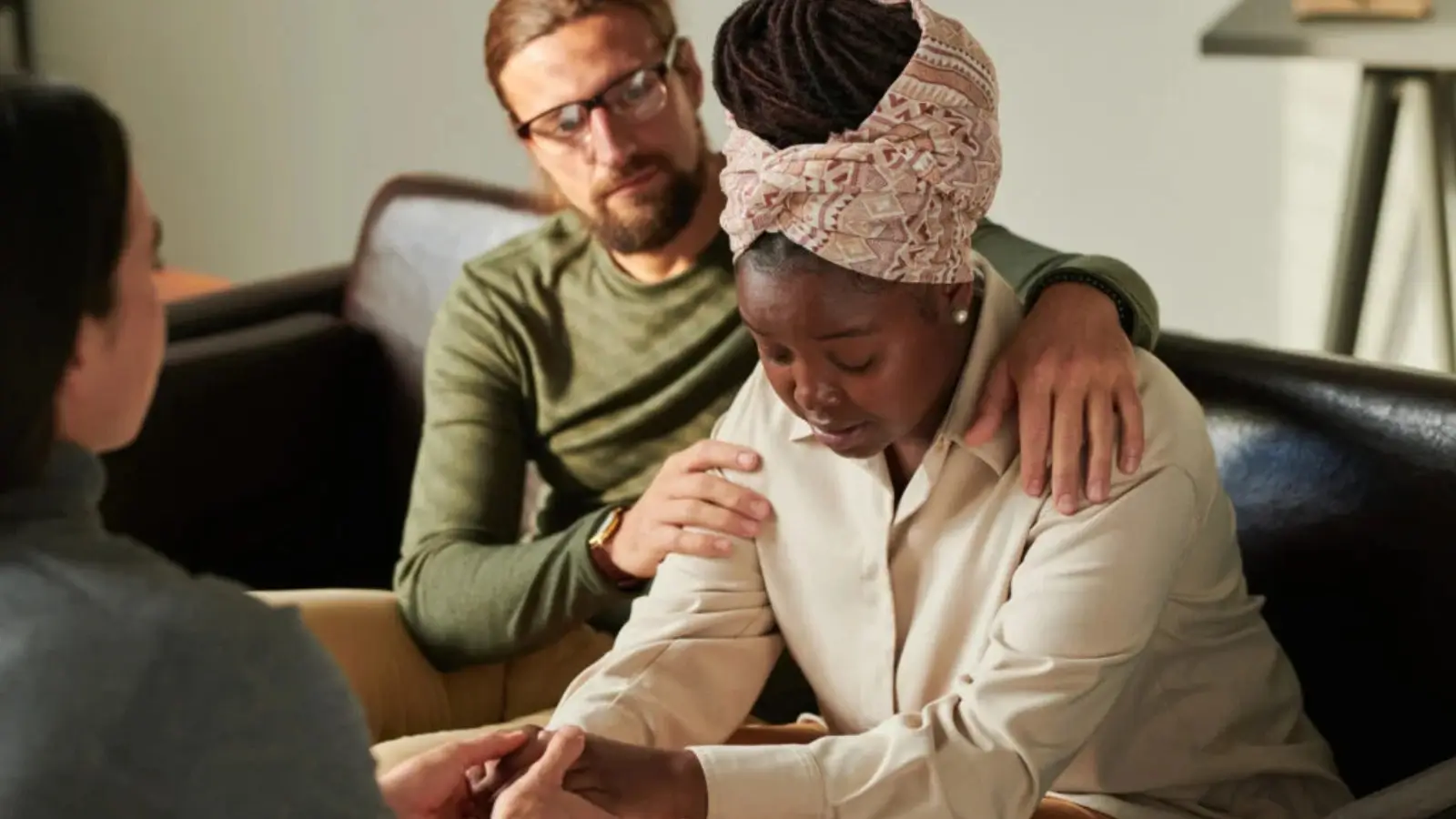
Domestic violence leaves deep scars—emotional, psychological, and physical—that extend far beyond the period of abuse. Survivors often struggle with trauma, self-doubt, and fear long after leaving an abusive relationship. This is where professional domestic violence counseling becomes essential. Counseling provides a safe space for survivors to process their experiences, rebuild self-esteem, and learn coping strategies for long-term recovery.
For many, seeking help is the first step in breaking the cycle of violence. By understanding what domestic violence counseling involves and how it supports healing, survivors and their loved ones can take proactive steps toward recovery.
Understanding Domestic Violence
Domestic violence is more than physical harm—it’s a pattern of controlling, manipulative, and coercive behaviors used by one person to gain power over another. It can occur in marriages, intimate partnerships, family relationships, and even dating situations.
Forms of abuse may include:
-
Physical abuse: Hitting, pushing, choking, or physical intimidation
-
Emotional abuse: Constant criticism, humiliation, and manipulation
-
Psychological abuse: Gaslighting, threats, and intimidation
-
Financial abuse: Controlling access to money, employment, or resources
-
Sexual abuse: Coercion, assault, or non-consensual acts
Each form of abuse can leave lasting trauma, often affecting survivors long after the abusive relationship ends.
The Impact of Domestic Violence
Domestic violence affects every aspect of a survivor’s life. Counseling helps address these long-term consequences, which may include:
Emotional and Mental Health Effects:
-
Anxiety, depression, and panic attacks
-
Post-traumatic stress disorder (PTSD)
-
Low self-esteem and self-blame
-
Difficulty trusting others
Physical Health Effects:
-
Chronic pain, sleep disturbances, and fatigue
-
Higher risk of substance abuse as a coping mechanism
-
Long-term health conditions caused by stress and injury
Social Impacts:
-
Isolation from friends and family
-
Employment or financial instability
-
Challenges in forming new relationships
Recognizing these impacts underscores the importance of timely intervention through counseling and support.
What Is Domestic Violence Counseling?
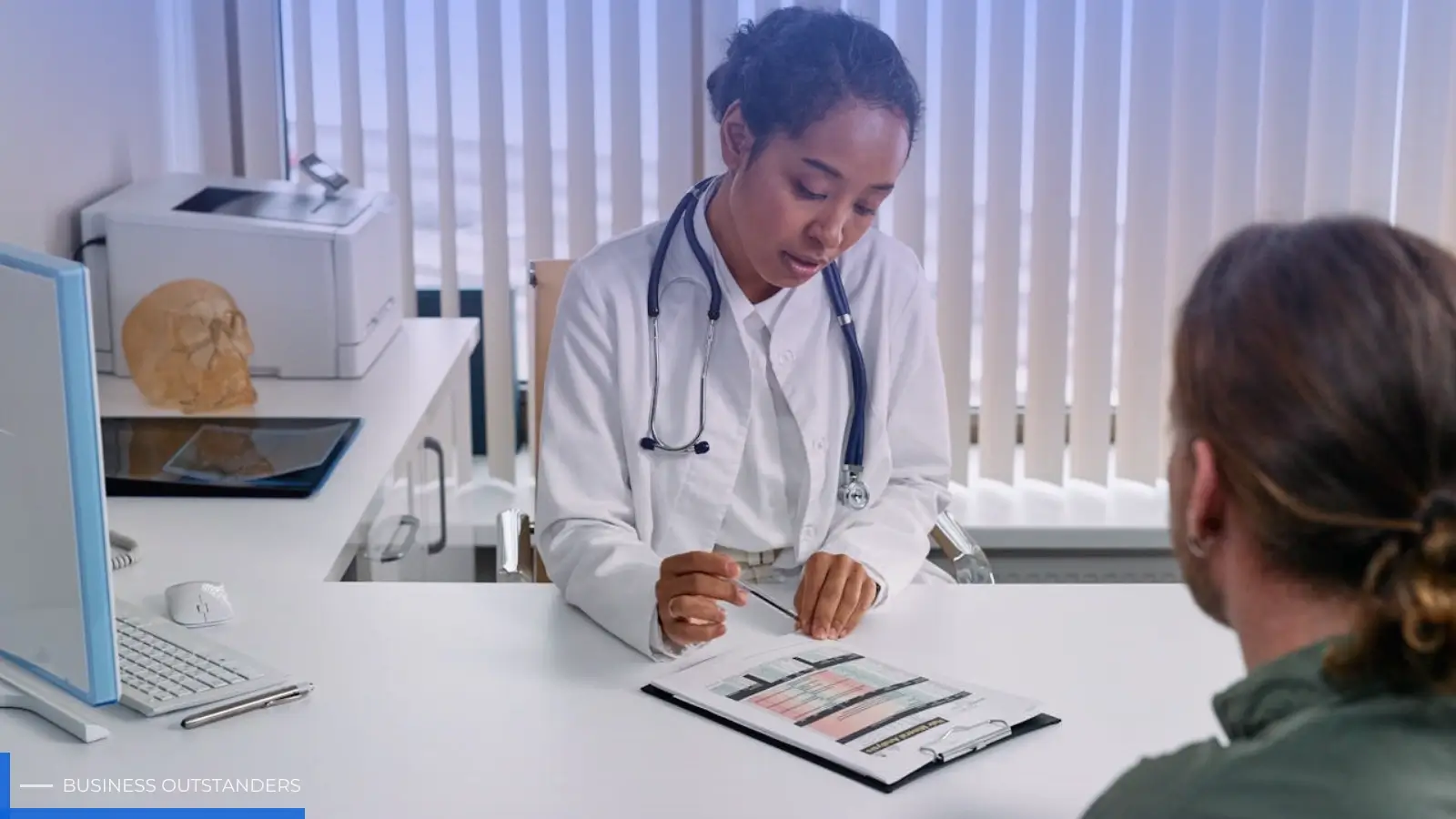
Domestic violence counseling provides survivors with structured emotional support and practical strategies to heal from abuse. It is tailored to meet each individual’s needs and may include one-on-one therapy, group support, or family-focused interventions.
The goals of counseling often include:
-
Providing a safe, nonjudgmental space to share experiences
-
Helping survivors process trauma and reduce symptoms of PTSD
-
Rebuilding confidence and self-worth after abuse
-
Teaching healthy coping skills and stress management techniques
-
Empowering survivors to create safer, independent lives
Types of Domestic Violence Counseling
1. Individual Therapy
Personal counseling allows survivors to explore their trauma privately. Therapists often use evidence-based approaches such as:
-
Cognitive Behavioral Therapy (CBT): Helps identify and change harmful thought patterns.
-
Trauma-Focused Therapy: Supports survivors in processing painful memories safely.
-
EMDR (Eye Movement Desensitization and Reprocessing): Effective for reducing PTSD symptoms.
2. Group Counseling
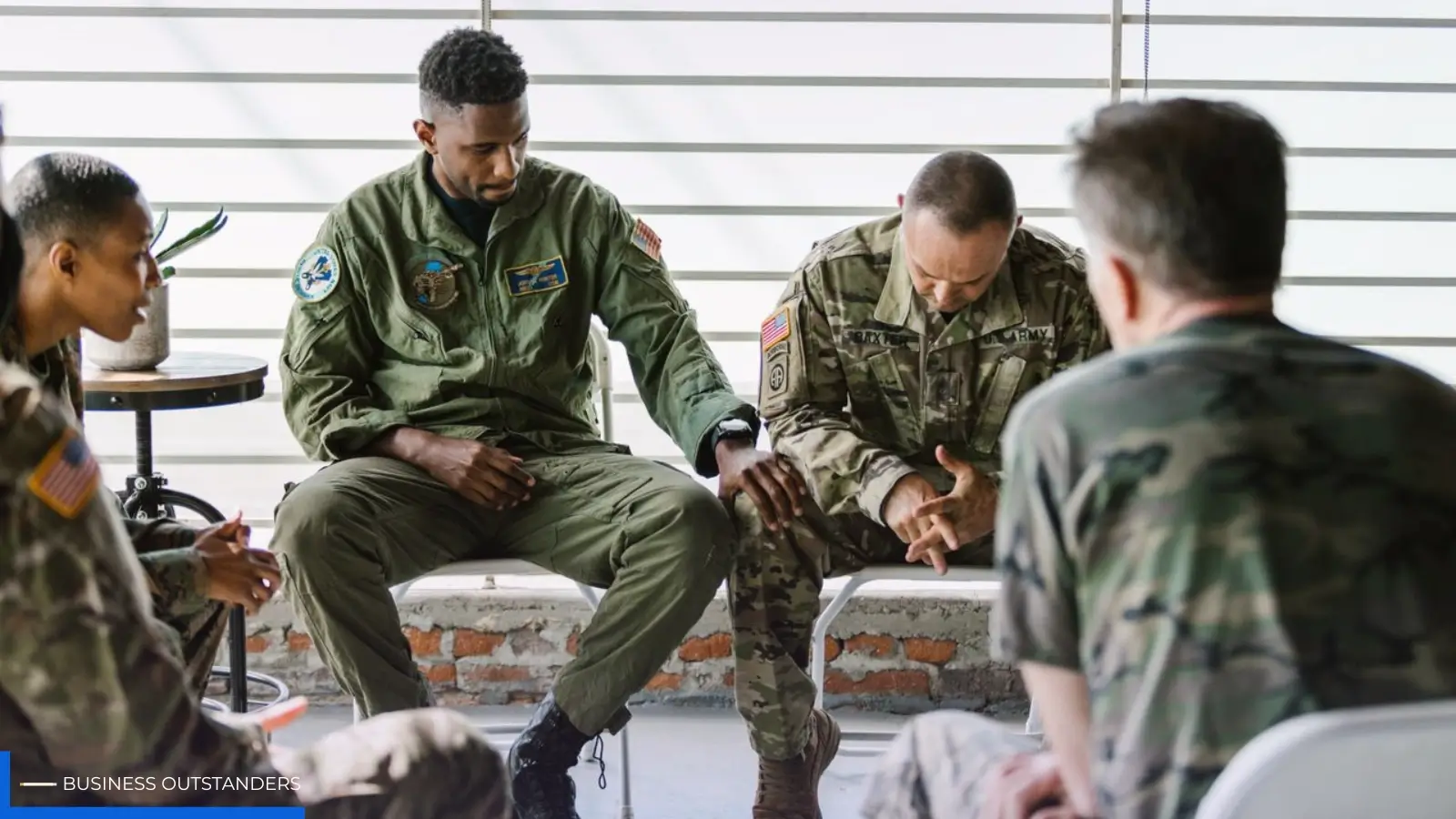
Group sessions provide survivors with peer support, reducing feelings of isolation. Sharing stories with others who have faced similar experiences fosters empowerment and resilience.
3. Family and Child Counseling
Children exposed to domestic violence often develop emotional or behavioral struggles. Family therapy helps rebuild trust, improve communication, and address generational cycles of abuse.
4. Crisis Counseling
Immediate support for survivors in dangerous or high-risk situations often includes safety planning, emergency resources, and short-term coping strategies.
5. Holistic and Complementary Approaches
Some survivors benefit from mindfulness, meditation, art therapy, or other holistic practices that support emotional healing alongside traditional therapy.
The Role of Counselors in Recovery
Counselors are trained not only to provide therapeutic support but also to assist survivors with practical needs. Their role may include:
-
Helping survivors develop safety plans
-
Offering resources for housing, employment, and legal aid
-
Supporting survivors through court processes
-
Guiding survivors in setting healthy boundaries and relationship goals
By blending therapeutic guidance with real-world support, counselors play a vital role in helping survivors reclaim control over their lives.
Overcoming Barriers to Counseling
Many survivors hesitate to seek counseling due to fear, shame, or lack of resources. Common barriers include:
-
Fear of retaliation from the abuser
-
Financial dependence or lack of access to affordable care
-
Cultural or religious stigma
-
Guilt or self-blame
-
Limited awareness of available services
Breaking down these barriers requires community outreach, education, and the normalization of counseling as a healthy, courageous choice.
Why Trauma-Informed Counseling Matters
Domestic violence survivors often live with heightened sensitivity to triggers and retraumatization. Trauma-informed counseling ensures survivors feel safe and respected throughout their healing journey.
Key principles include:
-
Safety: Creating a secure, supportive environment
-
Trustworthiness: Building open, consistent relationships
-
Choice: Allowing survivors to make decisions about their recovery
-
Collaboration: Partnering with survivors in treatment
-
Empowerment: Emphasizing strengths and resilience
Supporting a Loved One Through Counseling
Friends and family play an important role in encouraging survivors to seek help. Support can include:
-
Listening without judgment
-
Helping with transportation, childcare, or scheduling
-
Encouraging professional counseling rather than pressuring for quick solutions
-
Respecting the survivor’s pace and choices
-
Becoming informed about domestic violence and available resources
Long-Term Healing Through Counseling
Recovery from domestic violence is not linear—it is a journey. Counseling equips survivors with long-term tools for resilience, such as:
-
Setting healthy boundaries in relationships
-
Rebuilding self-confidence and independence
-
Developing coping strategies for stress and triggers
-
Creating new, supportive social connections
-
Engaging in advocacy or peer support for others in similar situations
Conclusion
Healing from domestic violence requires more than leaving an abusive environment—it requires comprehensive emotional support and structured guidance. Professional domestic violence counseling provides survivors with the tools to process trauma, regain confidence, and build a safe, empowered future.
Through counseling, survivors learn that they are not defined by their past experiences. Instead, they gain the strength and skills to move forward—reclaiming their lives with dignity, resilience, and hope.
Business Outstanders brings you sharp insights on tech, business, entrepreneurship, law, crypto, and more. We uncover what’s next. Stay updated, sign up for our newsletter and be part of the future!