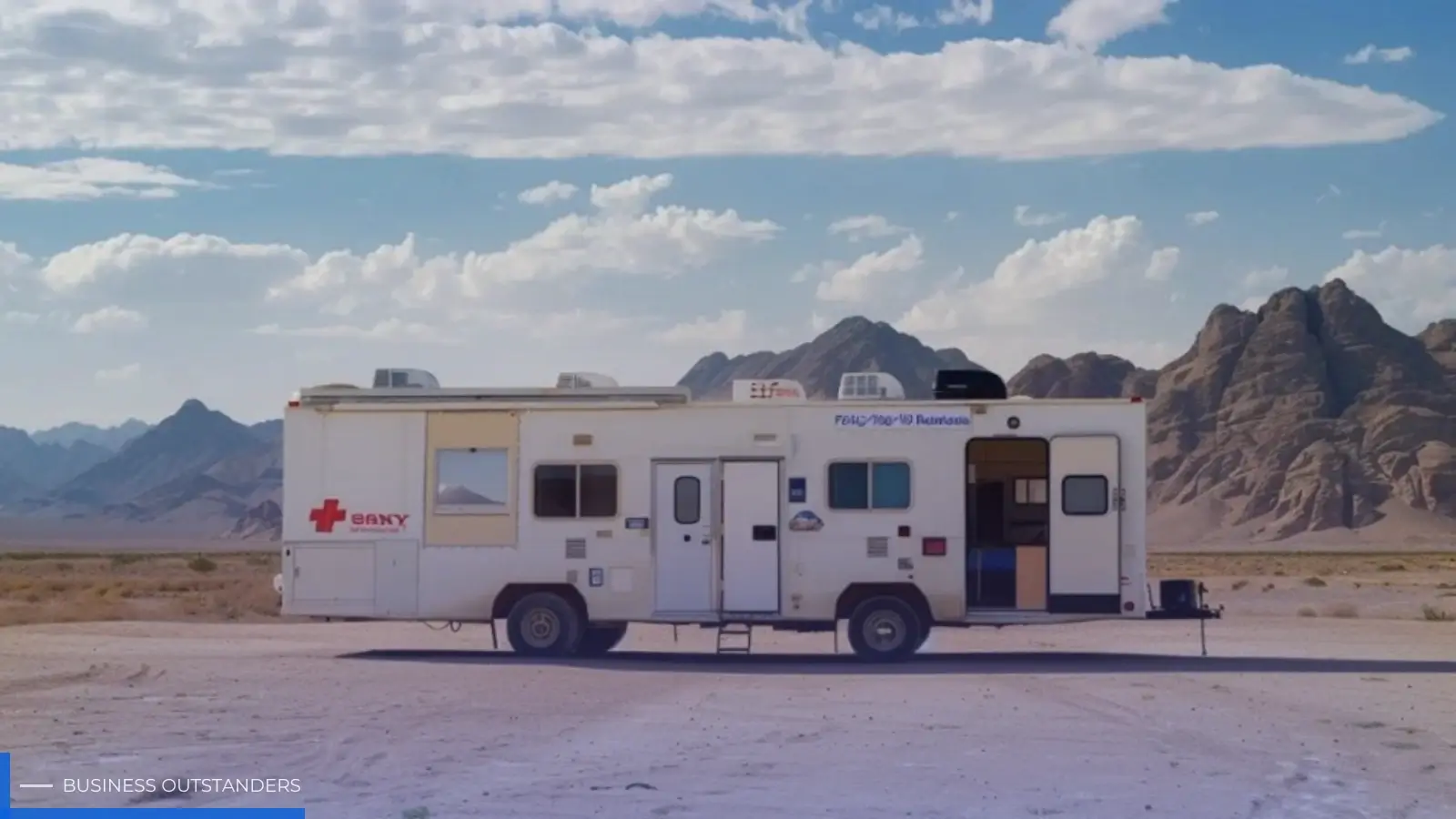
Desert regions present unique challenges in healthcare delivery, often featuring vast distances that separate individuals from medical facilities. In areas like these, traditional access to healthcare can be scarce, with barriers such as transportation and lack of infrastructure compounding the difficulty.
Desert mobile medical services are an innovative solution providing essential medical care directly to the under-served populations in these arid locations. Below, we explore how this mode of healthcare delivery is transforming patient access and enhancing outcomes for desert communities.
Bridging Healthcare Gaps with Desert Mobile Medical Services
The inception of desert mobile medical services has been a game-changer for countless individuals living in isolated desert environments. By taking healthcare to the patient's doorstep, these services help overcome the physical and logistical barriers associated with traditional healthcare provision in remote areas.
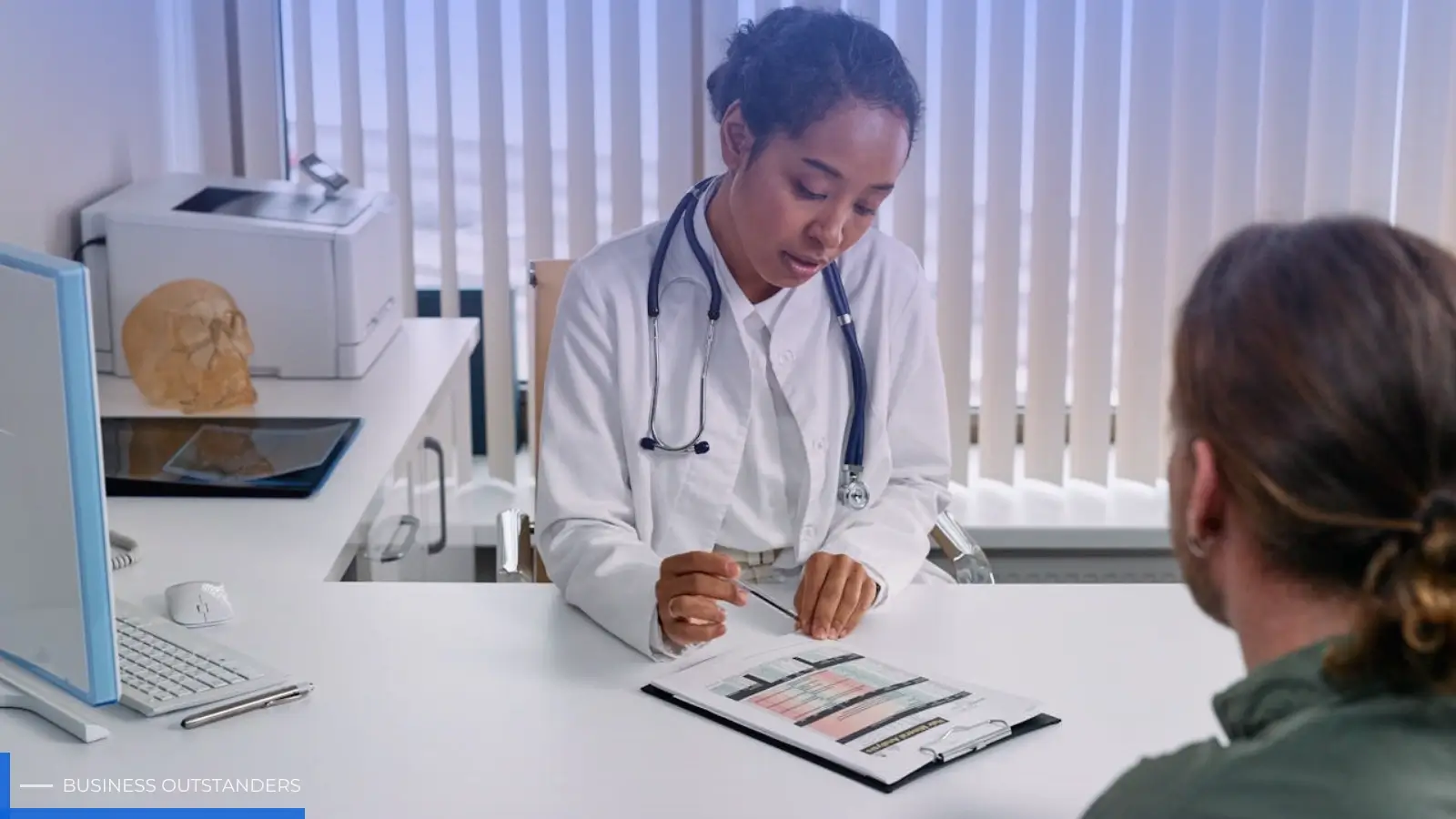
Mobile clinics offer a variety of healthcare services, including routine check-ups, vaccinations, and even chronic disease management. Not only do they provide convenience, but they also encourage regular healthcare maintenance among populations that may otherwise neglect their health due to access issues. Desert Mobile Medical plays a crucial role in this process.
Community partnerships and education are vital to ensuring the success of these mobile services. To amplify their reach, providers can work alongside local leaders and organizations, inform residents about available services, and build a culture of preventive health practices.
Streamlining Access to Care in Remote Regions
Desert mobile medical services are instrumental in streamlining healthcare for remote populations. By leveraging technology and logistics, these services deliver on-the-spot diagnostics and treatment, drastically cutting down the time and travel needed for medical consultations.
With fully equipped vehicles, patients can receive a higher level of care on-site. For example, telemedicine capabilities allow for real-time consultations with specialists who may be hundreds of miles away, delivering sophisticated care even in the most remote desert locations, supported by modern telehealth technology that continues to expand access to care. Telemedicine advancements have been pivotal in this transformative approach to healthcare delivery.
Organizations need to keep iterating their service delivery models based on patient feedback and technological advancements, ensuring that access to healthcare continues to improve for desert populations.
Innovations Driving Desert Mobile Medical Services
Innovative approaches in healthcare delivery are disrupting traditional models, especially for underserved desert communities. Advances in mobile health technologies have been central to expanding the reach and efficiency of these services.
Technological breakthroughs such as portable diagnostic tools and solar-powered equipment make it feasible for mobile medical services to operate effectively in harsh desert climates. Moreover, developments in medical informatics enable the maintenance of electronic health records even in off-grid locations, ensuring continuity of care. Innovations like these are critical to delivering quality healthcare in challenging environments.
Continuous research and investment in cutting-edge technologies are key. Healthcare providers should seek out and implement the latest innovations to maintain a high standard of care, adapt to the changing needs of the population, and stay ahead of logistic challenges posed by desert terrain.
Assessing the Impact of Mobile Medical Services on Desert Communities

The positive impact of desert mobile medical services on the communities they serve is manifold. Improved access to healthcare often translates to better disease prevention, more timely interventions, and ultimately, reduced mortality and morbidity rates in these areas.
Studies have shown that patients in desert regions with access to mobile medical services exhibit increased engagement with healthcare systems, leading to better management of chronic conditions and overall well-being. Patient satisfaction also tends to be high due to the convenience and personalized attention that mobile clinics can offer. Insights from community health assessments shed light on these outcomes.
To maximize the positive effects, ongoing evaluation is necessary. Data-driven approaches that measure health outcomes, cost-effectiveness, and community feedback can help refine these services and scale their benefits across broader desert regions.
Overall, the introduction of desert mobile medical services has spurred a profound shift in how healthcare is delivered to remote populations. By overcoming geographical barriers and harnessing technology, these services offer a lifeline to communities otherwise detached from conventional medical care. The continuing evolution of this healthcare model promises to further alleviate disparities and promote health equity among desert dwellers.
Business Outstanders brings you sharp insights on tech, business, entrepreneurship, law, crypto, and more. We uncover what’s next. Stay updated, sign up for our newsletter and be part of the future!