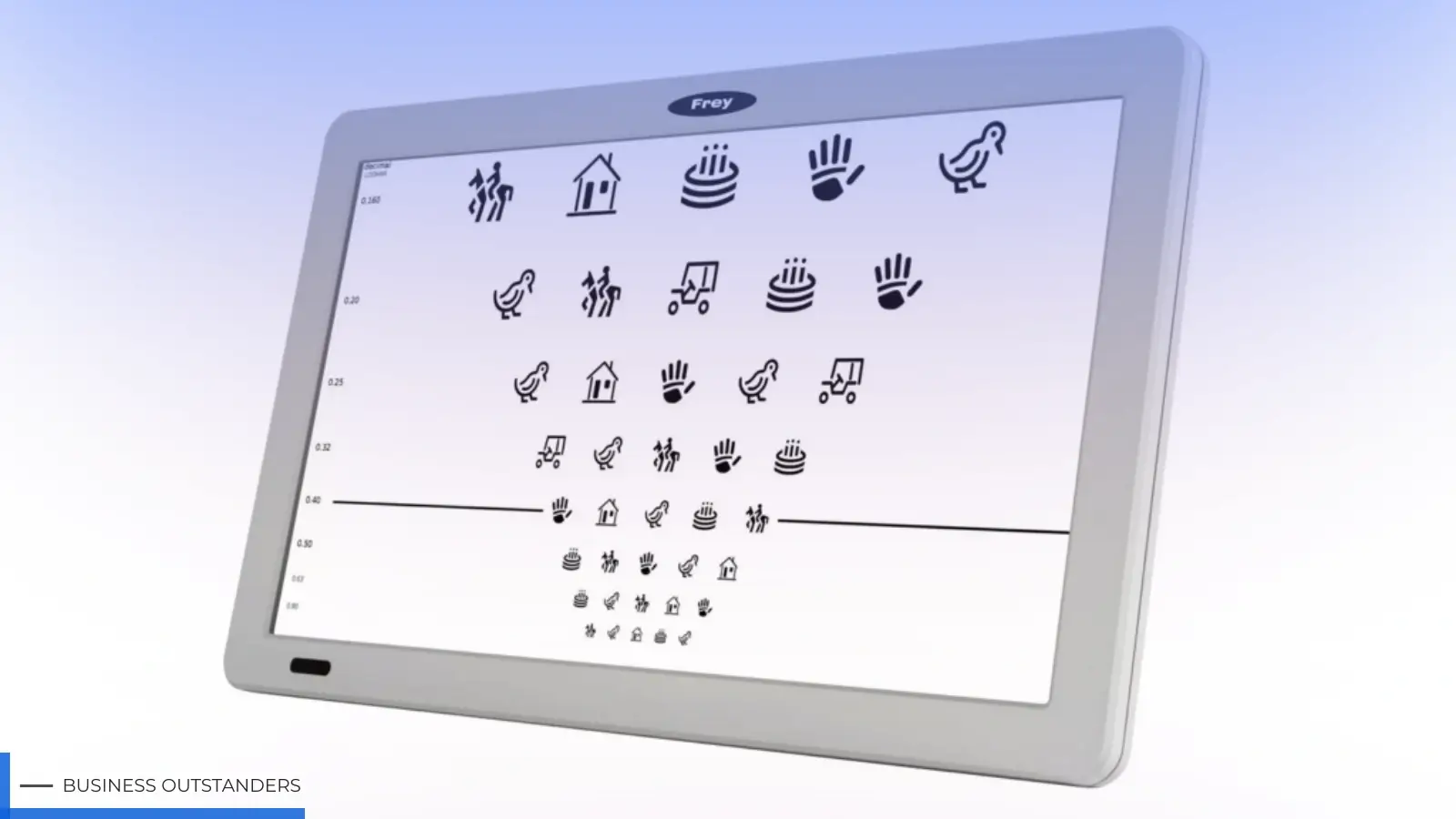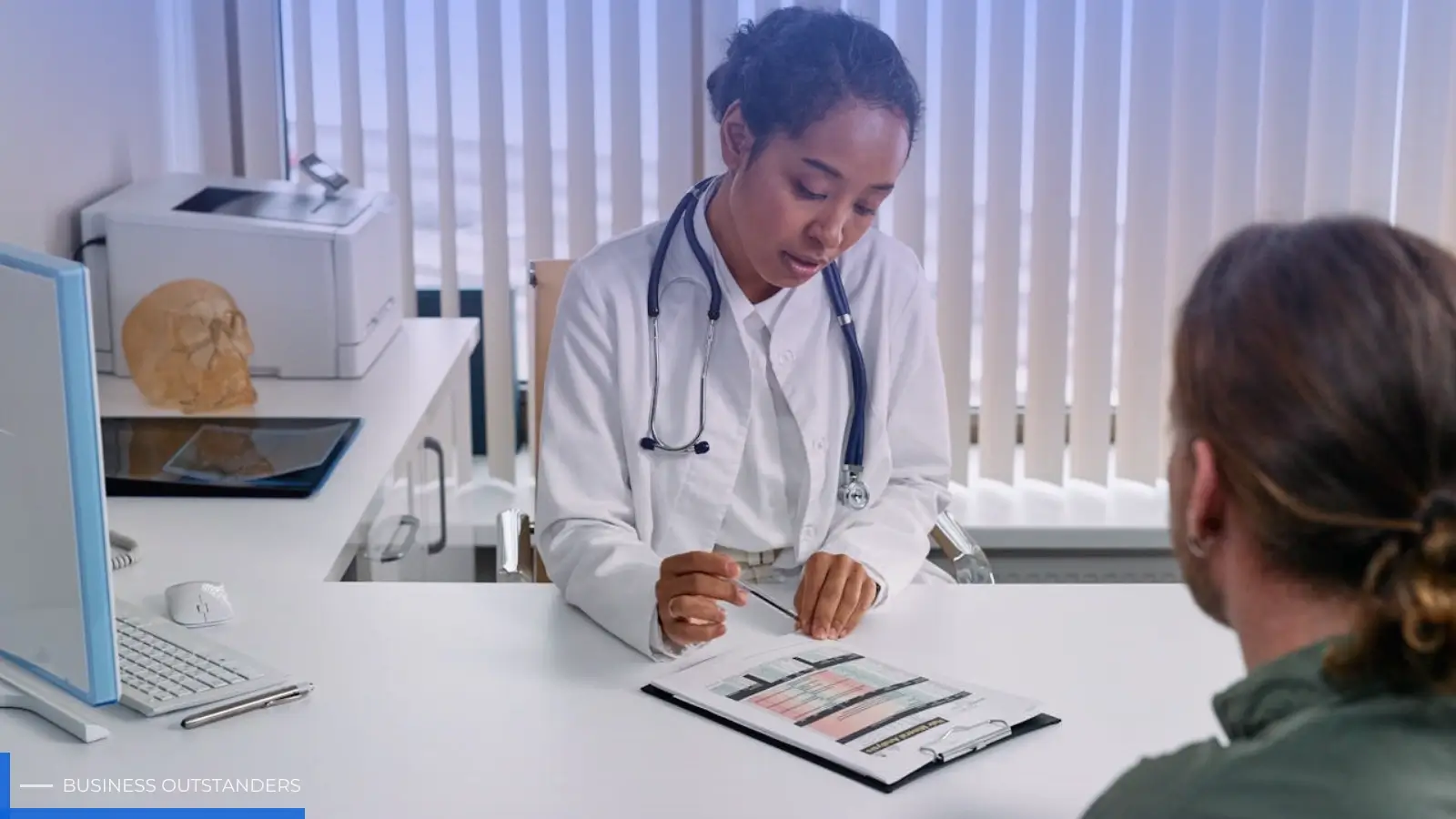
The discipline of Chronic Care Management (CCM) Platform has come to occupy a central role in the domain of healthcare provision due to the rise in grey populations and lifestyle pathologies. Long-term management and constant support are necessary with chronic illnesses like diabetes, heart disease, hypertension, and chronic obstructive pulmonary disease. The most recent models of episodic care, which focus largely on patients interacting only with the providers in the case of acute health happenings, are no longer valid. Rather, CCM is about being more proactive, multidisciplinary interventions, and long-term patient-healthcare communication. This shift is a fundamental move on the basis of delivery and measurement of care.
Why Chronic Care Demands a Different Approach
Unlike illnesses, which are acute and may resolve under short-term treatment, Chronic medical conditions require steady check-ups and customized changes. A diabetic patient, as an example, cannot afford to visit the clinic occasionally. They need continued management of medications, lifestyle coaching, regular blood tests, and education on how to manage their blood sugars. Without adequate coordination, these patients stand a greater chance of readmission of patients, complications, and their quality of life deteriorates. Chronic care management clearly takes this need into consideration by ensuring that patients are at the centre of an interrelated system that aims to maintain stability and avoid crises through patient-centered care. Strengthening this coordinated approach often involves collaboration with experienced care partners such as Acelpa Health, helping ensure patients receive consistent support that aligns with their long-term management plans.
Technology’s Role in Enhancing Care
Digital tools have significantly transformed CCM. Remote patient monitoring devices monitor the levels of vitals such as the blood pressure, glucose, as well as the heart rhythms in real-time. Mobile health applications enable patients to record daily activities like diet, fitness, and sleep to give a clearer understanding of compliance by the provider. Telehealth also avoids the burden of distance and transportation by conducting regular check-ups. Such developments not only provide better access but also make patients more involved in the process of care. By combining data across a range of touchpoints, clinicians will be able to take prompt action and have any minor issues addressed before they grow bigger into emergencies.
The Financial and Systemic Benefits
Not only is CM helpful to patient outcomes, but also to the sustainability of healthcare systems. Hospital stays and emergency room visits are expensive, and chronic diseases are also major causes of medical expenditures. For organizations funding CCM through pharmacy savings, adherence to the 340B program is critical. Implementing 340BCheck compliance software helps automate 100% audits, consolidate documentation, and flag diversion or duplicate-discount risks, protecting margins that can be reinvested into remote monitoring, care coordination, and patient education. By streamlining oversight and communication across pharmacy and compliance teams, providers can sustain scalable, tech-enabled chronic care programs without compromising regulatory integrity. Through implementing structured CCM programs, providers will be able to minimize unnecessary hospitalizations and allocate resources in a better way. Governments and payers are seeing the value of these, which is why reimbursement models are leaning in that direction to support CCM initiatives. That the monetary rewards worked in conjunction with the overall betterment of the patient is a long-term solution to dealing with the burden of chronic illness around the world.
The Patient Experience in Chronic Care
Patients usually experience tiredness and exasperation in operating complicated treatment regimens. CM provides them with a sense of support because they will be given regular follow-ups, care coordination, and may have access to interdisciplinary teams. Patients no longer feel alone in their condition and can chat in a structured way with their providers, their case managers, and even social workers. This support network improves adherence and builds trust. Knowing that their care team is tracking their progress, the patients are more likely to remain engaged and confident in being able to manage their health.
Looking Ahead
Chronic care management will be very critical in the future of healthcare. The growing trend in the prevalence of chronic diseases worldwide will mean that CCM is accepted as the backbone of preventive measures, digital technologies, and patient-centered care. The use of the model by the healthcare providers not only enhances better outcomes but also decreases long-term expenditures and medical resource burden. Focus on round-the-clock care, enabled by technology and close interpersonal relationships, is also another game-changing approach toward addressing persistent conditions in health systems. Chronic care management is no longer optional, but something that is necessary in a sustainable future of healthcare delivery.
Business Outstanders brings you sharp insights on tech, business, entrepreneurship, law, crypto, and more. We uncover what’s next. Stay updated, sign up for our newsletter and be part of the future!