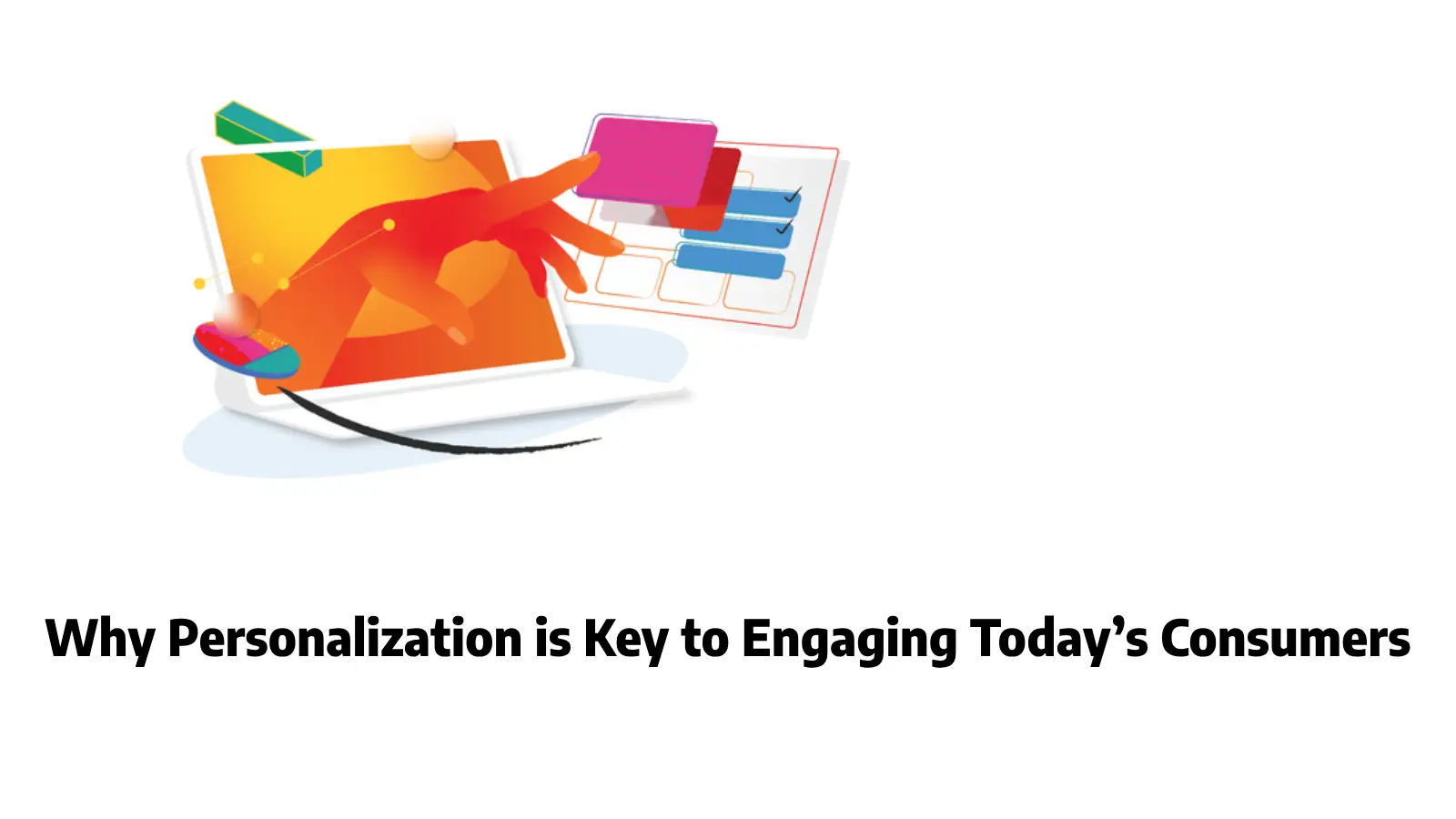
Consumers today are no longer satisfied with one-size-fits-all campaigns. The digital landscape is saturated, and businesses need to go the extra mile to stand out. Enter personalization—a strategy that focuses on creating experiences tailored to individual preferences, interests, and behaviors. For brands, effectively personalizing their approach can mean the difference between loyal customers and lost sales.
This blog explores why personalization is pivotal in engaging modern consumers, how to implement it effectively, and the tools you need to excel.
The Age of Personalization
The world of marketing has undergone a seismic shift in recent years. Consumers now expect—and even demand—personalized experiences. According to a study by Epsilon, 80% of consumers are more likely to do business with a company that offers personalized interactions. But why the sudden emphasis on personalization?
Changing Consumer Expectations
Advancements in technology mean consumers are accustomed to hyper-curated experiences. Think about your Netflix account recommending shows you love or Spotify creating playlists based on your listening history. These personalized engagements have set a precedent; customers now expect the brands they interact with to understand their needs at a similar level.
Better Data, Better Experiences
Thanks to digital tools, brands now have access to a wealth of consumer data—from browsing habits and purchase history to demographic information. This data allows companies to craft laser-focused campaigns, improving marketing efficiency and deepening customer relationships. Personalized marketing often results in better ROI, higher customer satisfaction, and ultimately more loyal brand champions.
The Benefits of Personalization
Still not convinced? Here's why personalization deserves a place in your marketing strategy:
1. Increased Engagement
Personalized content grabs attention more effectively than generic messages. For instance, an email that greets a recipient by name and offers product suggestions based on their previous purchases is far more likely to be opened and acted upon than a non-tailored one.
2. Improved Customer Loyalty
When brands prioritize personalization, consumers feel valued. This fosters trust and builds loyalty over time. A repeat customer often brings more lifetime value than a one-time buyer.
3. Higher Conversion Rates
Personalized recommendations can guide customers through their buying journey more effectively. For instance, an online retailer that suggests complementary items based on what’s in a shopper’s cart can significantly boost sales.
4. Enhanced Customer Experience
A personalized approach makes consumers feel understood. They no longer have to sift through irrelevant ads, emails, or product suggestions. Instead, they encounter products, services, or content that genuinely resonates with their interests.
How to Implement Personalization in Your Marketing Strategy
While personalization is powerful, it requires strategic implementation to yield results. Here are some key tactics:
Leverage Customer Data
Having the right data is the foundation of successful personalization. Tools like Google Analytics or CRM software allow you to gather insights like user demographics, purchase behavior, and browsing history. Make sure you comply with privacy regulations while collecting and managing data.
Personalize Across Channels
From your website to your emails, social media, and beyond, your personalization efforts should be consistent. For example, someone who interacted with your Instagram ad might appreciate being greeted with a discount on their first purchase when visiting your site.
Consumers today are no longer satisfied with one-size-fits-all campaigns. The digital landscape is saturated, and businesses need to go the extra mile to stand out. Enter personalization—a strategy that focuses on creating experiences tailored to individual preferences, interests, and behaviors. For brands, effectively personalizing their approach can mean the difference between loyal customers and lost sales.
This blog explores why personalization is pivotal in engaging modern consumers, how to implement it effectively, and the tools you need to excel.
The Age of Personalization
The world of marketing has undergone a seismic shift in recent years. Consumers now expect—and even demand—personalized experiences. According to a study by Epsilon, 80% of consumers are more likely to do business with a company that offers personalized interactions. But why the sudden emphasis on personalization?
Changing Consumer Expectations
Advancements in technology mean consumers are accustomed to hyper-curated experiences. Think about your Netflix account recommending shows you love or Spotify creating playlists based on your listening history. These personalized engagements have set a precedent; customers now expect the brands they interact with to understand their needs at a similar level.
Better Data, Better Experiences
Thanks to digital tools, brands now have access to a wealth of consumer data—from browsing habits and purchase history to demographic information. This data allows companies to craft laser-focused campaigns, improving marketing efficiency and deepening customer relationships. Personalized marketing often results in better ROI, higher customer satisfaction, and ultimately more loyal brand champions.
The Benefits of Personalization
Still not convinced? Here's why personalization deserves a place in your marketing strategy:
1. Increased Engagement
Personalized content grabs attention more effectively than generic messages. For instance, an email that greets a recipient by name and offers product suggestions based on their previous purchases is far more likely to be opened and acted upon than a non-tailored one.
2. Improved Customer Loyalty
When brands prioritize personalization, consumers feel valued. This fosters trust and builds loyalty over time. A repeat customer often brings more lifetime value than a one-time buyer.
3. Higher Conversion Rates
Personalized recommendations can guide customers through their buying journey more effectively. For instance, an online retailer that suggests complementary items based on what’s in a shopper’s cart can significantly boost sales.
4. Enhanced Customer Experience
A personalized approach makes consumers feel understood. They no longer have to sift through irrelevant ads, emails, or product suggestions. Instead, they encounter products, services, or content that genuinely resonates with their interests.
How to Implement Personalization in Your Marketing Strategy
While personalization is powerful, it requires strategic implementation to yield results. Here are some key tactics:
Leverage Customer Data
Having the right data is the foundation of successful personalization. Tools like Google Analytics or CRM software allow you to gather insights like user demographics, purchase behavior, and browsing history. Make sure you comply with privacy regulations while collecting and managing data.
Personalize Across Channels
From your website to your emails, social media, and beyond, your personalization efforts should be consistent. For example, someone who interacted with your Instagram ad might appreciate being greeted with a discount on their first purchase when visiting your site.
Segment Your Audience
Not all your customers want or need the same thing. Divide your audience into smaller segments based on shared characteristics, such as age, location, or buying behavior. For example, a billboard advertising agency in Tulsa, OK, might segment their audience into small local businesses versus larger franchises to tailor their campaigns more effectively.
Use AI and Automation
AI-powered tools like chatbots, recommendation engines, and automated email marketing platforms can elevate your personalization game. For example, automated emails triggered by a customer’s browsing behavior can suggest products they’re likely to purchase.
Enrich the Offline Experience
Personalization isn’t limited to the online world. Brands can personalize in-store experiences by using loyalty apps or by training employees to offer tailored service. Something as simple as greeting returning customers by name can go a long way in building connections.
Personalization Pitfalls to Avoid
While personalization is essential, doing it wrong can turn consumers away. Here’s what to watch out for:
Over-Personalization
Surprisingly, there is such a thing as being “too personalized.” If customers feel like your ads or messages are invasive, such as referencing overly specific details they didn’t knowingly share, it could backfire.
Neglecting Data Security
Personalization relies heavily on data collection. However, if customers don’t feel their data is safe, they’re unlikely to engage with your brand. Clearly communicate your data privacy policies and ensure compliance with regulations like GDPR.
Ignoring Underperforming Campaigns
Not all personalized efforts will hit the mark. Regularly evaluate your marketing campaigns for effectiveness and adapt as necessary.
The Future of Personalization
As technology evolves, personalized marketing will only grow in sophistication. Here are some trends already making waves:
-
Predictive Analytics: AI tools are evolving to predict what customers want before they even know it themselves.
-
IoT Integration: Smart devices are enabling real-time personalization based on users' contexts—like recommending coffee when it senses you’re on the move in the morning.
-
Hyper-Personalized Content: Gone are the days of “Dear [First Name]” being enough. The future of personalization lies in providing uniquely curated experiences for every individual.
Take Personalization to the Next Level
Consumer expectations are at an all-time high, and brands need to deliver personalized experiences to remain competitive. The good news? Implementing personalization strategies is easier than you might think with the right tools and approach.
Remember, consumers don’t just want products—they want meaningful connections with brands. By leveraging data, technology, and creativity, businesses can foster these connections and transform their customer relationships.
Start elevating your personalized marketing campaigns today to ensure your brand doesn’t just survive but thrives.
Not all your customers want or need the same thing. Divide your audience into smaller segments based on shared characteristics, such as age, location, or buying behavior. For example, a billboard advertising agency in Tulsa, OK, might segment their audience into small local businesses versus larger franchises to tailor their campaigns more effectively.
Use AI and Automation
AI-powered tools like chatbots, recommendation engines, and automated email marketing platforms can elevate your personalization game. For example, automated emails triggered by a customer’s browsing behavior can suggest products they’re likely to purchase.
Enrich the Offline Experience
Personalization isn’t limited to the online world. Brands can personalize in-store experiences by using loyalty apps or by training employees to offer tailored service. Something as simple as greeting returning customers by name can go a long way in building connections.
Personalization Pitfalls to Avoid
While personalization is essential, doing it wrong can turn consumers away. Here’s what to watch out for:
Over-Personalization
Surprisingly, there is such a thing as being “too personalized.” If customers feel like your ads or messages are invasive, such as referencing overly specific details they didn’t knowingly share, it could backfire.
Neglecting Data Security
Personalization relies heavily on data collection. However, if customers don’t feel their data is safe, they’re unlikely to engage with your brand. Clearly communicate your data privacy policies and ensure compliance with regulations like GDPR.
Ignoring Underperforming Campaigns
Not all personalized efforts will hit the mark. Regularly evaluate your marketing campaigns for effectiveness and adapt as necessary.
The Future of Personalization
As technology evolves, personalized marketing will only grow in sophistication. Here are some trends already making waves:
-
Predictive Analytics: AI tools are evolving to predict what customers want before they even know it themselves.
-
IoT Integration: Smart devices are enabling real-time personalization based on users' contexts—like recommending coffee when it senses you’re on the move in the morning.
-
Hyper-Personalized Content: Gone are the days of “Dear [First Name]” being enough. The future of personalization lies in providing uniquely curated experiences for every individual.
Take Personalization to the Next Level
Consumer expectations are at an all-time high, and brands need to deliver personalized experiences to remain competitive. The good news? Implementing personalization strategies is easier than you might think with the right tools and approach.
Remember, consumers don’t just want products—they want meaningful connections with brands. By leveraging data, technology, and creativity, businesses can foster these connections and transform their customer relationships.
Start elevating your personalized marketing campaigns today to ensure your brand doesn’t just survive but thrives.
Business Outstanders brings you sharp insights on tech, business, entrepreneurship, law, crypto, and more. We uncover what’s next. Stay updated, sign up for our newsletter and be part of the future!