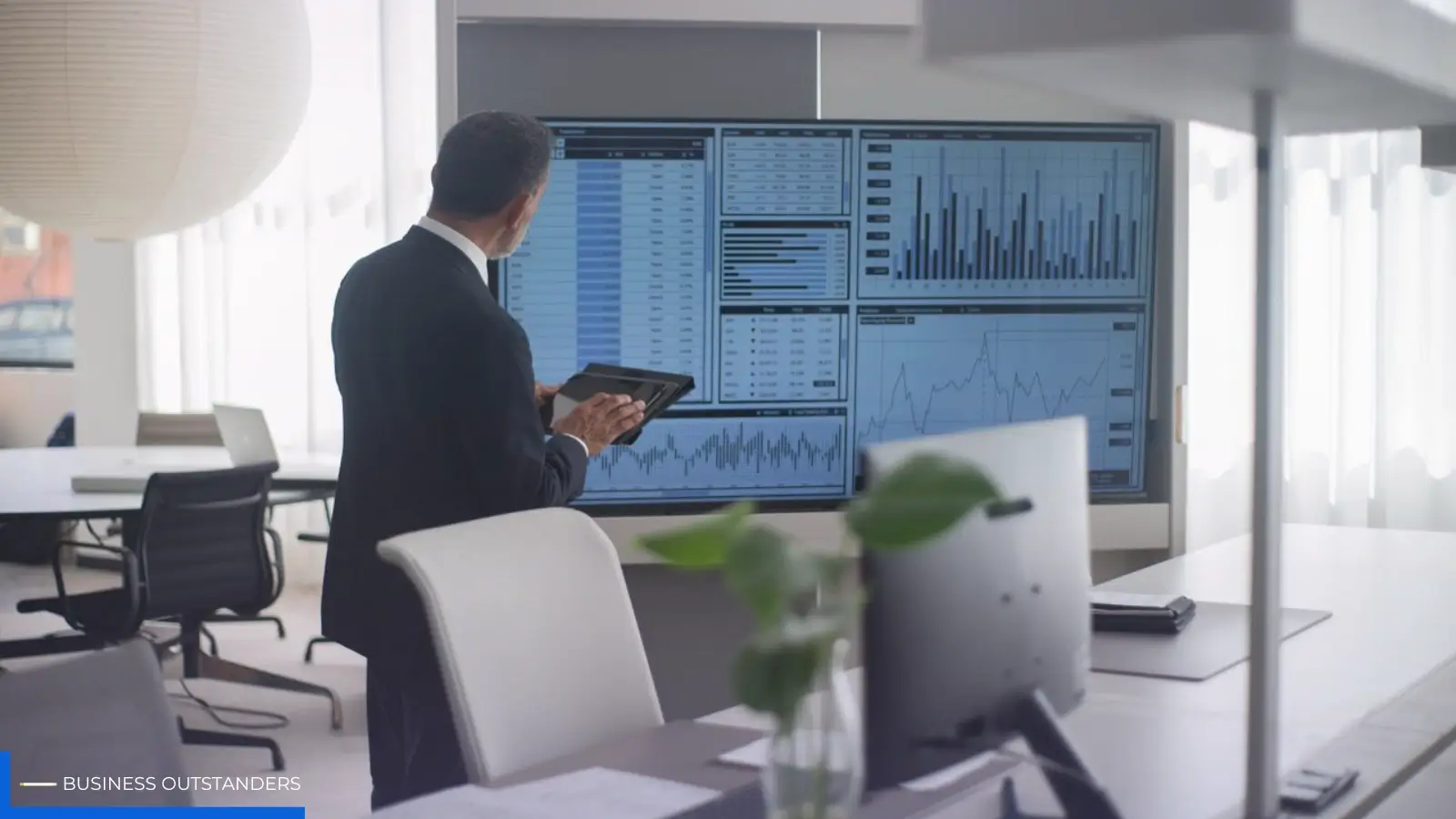
Businesses spend a great amount of time researching various issues relating to large costs, including payroll, fuel, equipment and facility costs. These are visible expenditures and their effects on profitability are manifest, hence these are closely tracked. Some of the more expensive operational issues are, however, not that prominent. They are often slow to develop and may even go unnoticed for months or even years before they impact the efficiency and costs of the organization in an unobvious manner.
One of the biggest hidden challenges for businesses that deal with vehicles, equipment, tools, and mobile resources is actually a lack of visibility of how their resources are being used. It might end up costing too much money over time when it comes to assets that are not easily found, monitored, and managed. The financial loss may be massive when all incidents are added together, although each incident might be relatively small.
Small Inefficiencies Often Create Large Losses
Many organizations tend to concentrate on big issues and forget to see the little inefficiencies which happen daily. While it may not appear to be significant, one missing piece of equipment, one unnecessary replacement purchase, or one late project due to missing a resource can have a large impact when multiplied by the number of similar events that happen during a project.
If these scenarios happen over and over again on various teams and sites, however, the bottom line gets a lot bigger. They find that their organizations are suffering from little inefficiencies that are adding up to significant, but under-recognized, costs.
Poor Asset Visibility Leads to Unnecessary Spending
The common problem with companies is not knowing where important machinery is. If assets are distributed to multiple jobsites, warehouses and service areas, it becomes challenging to keep accurate records.
This makes it possible for companies to buy or lease equipment that they already own but may not be able to find within a timely period. For many organizations, with large numbers of valuable assets, these duplicate costs can add up quickly.
Downtime Often Starts with Missing Equipment
Businesses face a myriad of challenges, one of which is operational downtime. Projects can be delayed when employees are unable to access the equipment they need to perform their tasks.
The problem is not that they don't have the resources, but that they're not seen. Time workers waste looking for equipment and waiting for equipment to be replaced ultimately reduces productivity and raises operating expenses.
Resource Utilization Is Frequently Lower Than Expected
Frequently, businesses believe that they are making efficient use of assets because they are constantly put to use in projects or in places. Without accurate tracking information, however, it can be challenging to accurately measure utilization.
Some of the assets can be idle for a long time while others are being used so much. This can contribute to unwanted purchases and increased maintenance expenditure, and consequently diminish the return on investment of equipment and resources.
Expansion Can Magnify Existing Problems
Businesses as they grow become more complex when it comes to business assets management. However, the more locations, size of teams, and geographical reach, the more chances of misplacing or underusing equipment.
The challenges that may be easily addressed in a smaller company can escalate rapidly as the business grows. Mis-manage and lack of visibility can exacerbate inefficiency within the business that already exists and growth will cause them to be amplified.
Technology Is Helping Businesses Regain Control
Many Australian businesses are adopting asset visibility and operational monitoring technologies to tackle these difficulties. Current tracking solutions provide live data and information about the location and the use of organization’s resources.
For example, an asset tracker can help businesses monitor their valuable assets and equipment at various sites. When a resource is visible, then organizations can minimize losses, enhance resource utilization, and better inform decisions about resource allocation.
The solutions are becoming a seemingly more vital part of the business, as companies try to optimize efficiency and limit costs.
Accountability Improves When Assets Are Visible
Also, lack of visibility can cause accountability issues. If equipment is being moved between teams or areas a lot, it can be hard to find out what condition it's in or where is it.
Greater tracking capacity provides better accountability by maintaining up-to-date records of where assets are going and for how long. This transparency allows for better resource management and loss and misuse prevention.
Hidden Costs Extend Beyond Financial Losses
The negative effects of asset visibility are not restricted to straight monetary consequences. Other, more subtle, ways in which operations can be disrupted that impact business performance include customer delays, as well as decreased productivity of business operations staff.
These secondary consequences continue to add to lost opportunities and lessened customer satisfaction. Solving asset management issues, then, can yield many more advantages than mere cost cutting.
Data-Driven Visibility Supports Better Planning
The companies which have an accurate information about assets are often better equipped to plan future operations. Information on resource use enables managers to see trends, predict demand and make more strategic investment decisions.
This information-based approach will reduce guesswork and allow companies to make informed decisions regarding their resources for operating efficiency and future growth.
Conclusion
The hidden inefficiencies resulting from asset management and operational visibility are costing many businesses thousands of dollars a month. Avoiding potential equipment failures, lack of use of equipment, wasted equipment and unneeded equipment purchases can silently bleed the bottom line without anyone noticing.
These invisible problems can be resolved with better visibility and control over the organization's assets to achieve significant operational improvement. With the growing competition, knowing where resources are, their utilization and contribution to business performance is more important than ever.
Business Outstanders brings you sharp insights on tech, business, entrepreneurship, law, crypto, and more. We uncover what’s next. Stay updated, sign up for our newsletter and be part of the future!