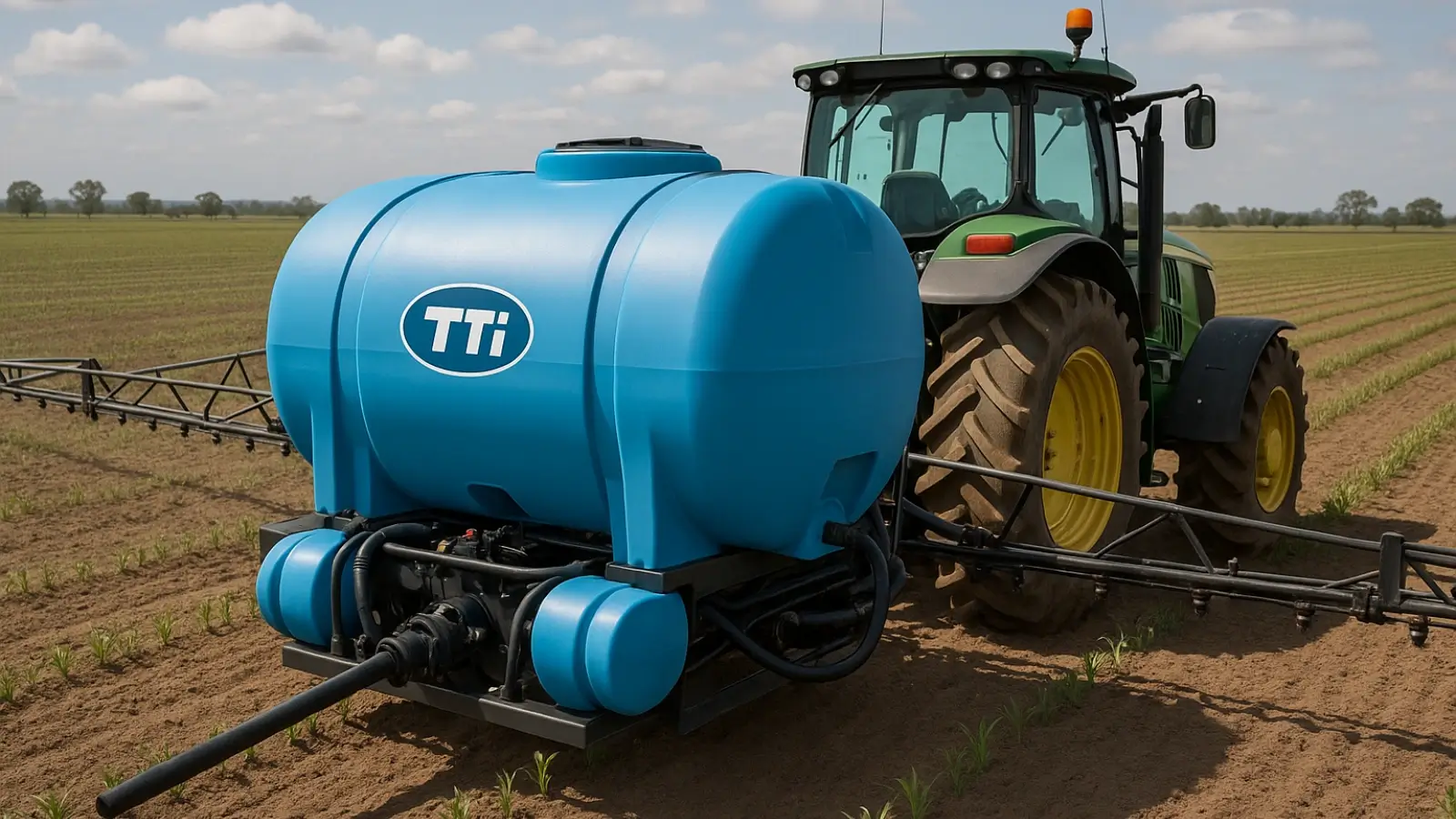
Modern farming runs on precision, and TTi liquid fertiliser tanks have become essential equipment for operations that want to maximize crop yields while controlling costs. Unlike old-school granular fertilizer that you spread across fields with limited control, liquid fertilizers can be applied exactly where needed, in exact amounts, at optimal times during the growing season. This precision matters because over-application wastes money and damages soil and waterways, while under-application limits crop potential. TTi has built a reputation for manufacturing tanks that handle the corrosive nature of liquid fertilizers while providing the durability and capacity that commercial farms demand. Their tanks range from small 400-liter units for hobby farms up to massive 10,000-liter or larger systems for broadacre operations. Understanding what makes these tanks effective explains why farmers keep investing in quality storage and application systems.
Chemical Resistance and Tank Construction
Liquid fertilizers are aggressive chemicals that destroy inferior storage materials. Common fertilizers like UAN (urea ammonium nitrate), which contains about 32% nitrogen, are particularly corrosive to standard metals. TTi tanks use cross-linked polyethylene or specialized plastics engineered to resist chemical degradation over years of use. This construction prevents leaks, cracks, and failures that could release hundreds or thousands of liters of fertilizer into the environment. The material also prevents contamination of the fertilizer itself, which can happen when chemicals react with unsuitable storage containers. Tank walls are typically 6mm to 12mm thick depending on size, providing structural strength without excessive weight. UV stabilization in the plastic prevents sun damage that causes brittleness and cracking in cheaper tanks. Proper baffling inside larger tanks prevents liquid surge during transport, which can destabilize vehicles or damage the tank structure. These design elements seem basic but they're the difference between a tank that lasts 15 years and one that fails after three seasons.
Integration With Precision Agriculture Systems
TTi tanks work as part of larger precision agriculture setups. Modern systems connect tanks to GPS-guided applicators that adjust fertilizer rates automatically based on soil maps and crop needs. This variable rate application can reduce fertilizer use by 10% to 30% compared to uniform spreading while improving yield consistency across fields. The tanks include calibrated outlet systems and flow meters that provide accurate delivery rates. Some setups link to farm management software that tracks exactly how much fertilizer went onto each paddock, helping with record-keeping and planning for next season. For farms using pivot irrigation or boom sprayers, tanks need compatible fittings and pressure ratings to match the application equipment. The capacity calculation matters too. If your sprayer covers 50 hectares per fill and you're applying 100 liters per hectare, you need at least a 5,000-liter tank plus some buffer. Having insufficient capacity means constant refilling trips that waste time during critical application windows.
Safety and Regulatory Considerations
Storing large quantities of liquid fertilizer comes with responsibilities. Many regions classify liquid fertilizers as dangerous goods, requiring specific storage protocols. TTi tanks often include features that help meet these requirements, like secure lids that prevent unauthorized access and overflow protection systems. Secondary containment, either built into the tank design or through separate bunding, catches spills or leaks before they reach soil or waterways. This is especially important near water sources or in areas with environmental protection regulations. Tanks should be positioned on level, stable ground away from buildings and water supplies. Signage identifying contents and emergency procedures is standard practice. Some jurisdictions require permits for tanks over certain capacities or mandate regular inspections. Farmers also need to consider insurance implications, as improper storage can void coverage if contamination occurs. The upfront cost of compliant storage systems pays for itself by avoiding fines, cleanup costs, and reputational damage from environmental incidents.
Business Outstanders brings you sharp insights on tech, business, entrepreneurship, law, crypto, and more. We uncover what’s next. Stay updated, sign up for our newsletter and be part of the future!