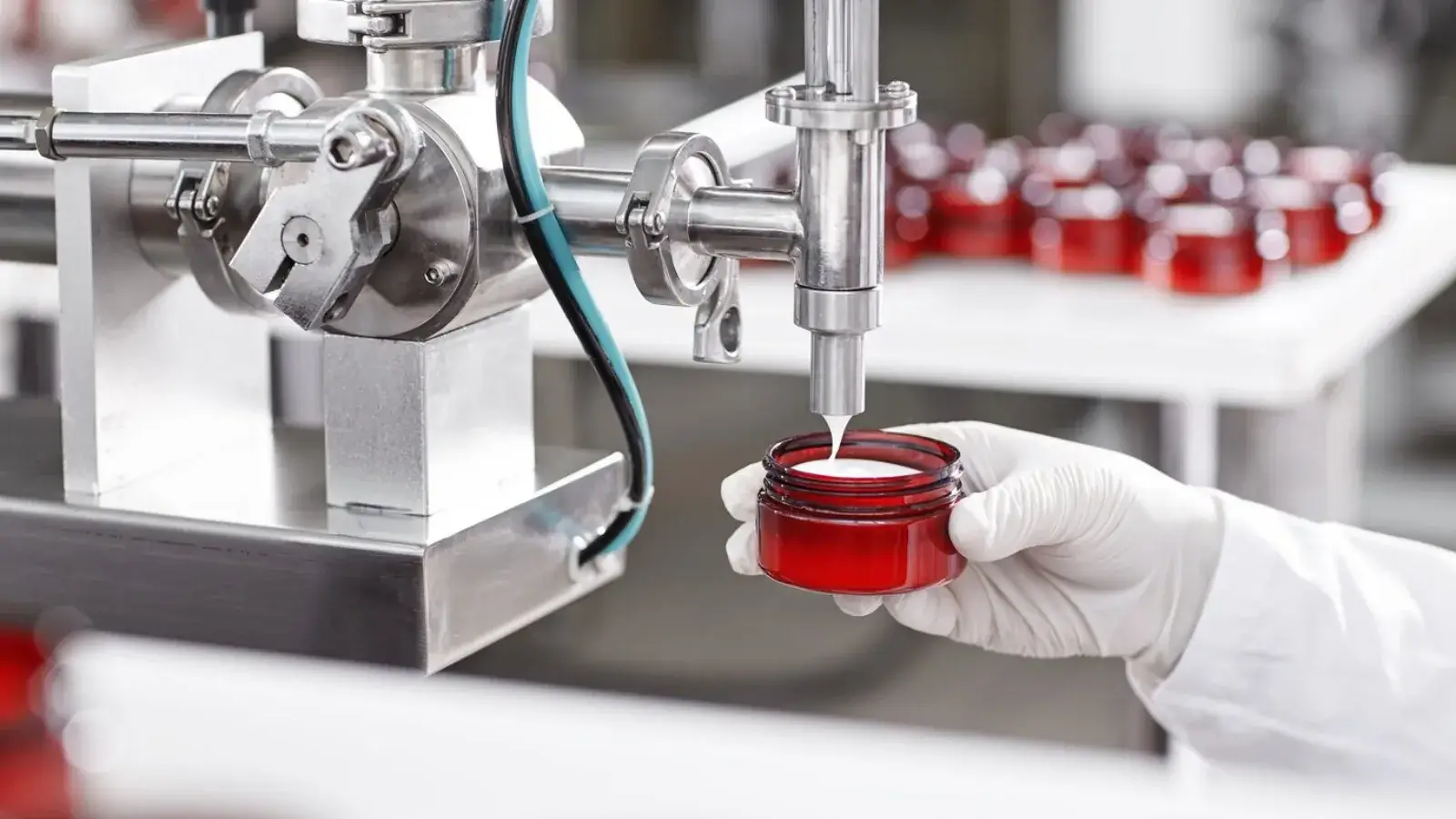
In the fiercely competitive world of skincare, consistent product quality isn't merely a preference—it’s a fundamental necessity. Consumers have become savvy, placing high expectations on the products they incorporate into their daily skincare routines. Consequently, private label brands depend on meticulous quality control processes to ensure excellence, build customer loyalty, and sustain brand reputation.
Understanding the difference between white label vs private label is crucial for brands seeking reliable manufacturing partners. For any cosmetic manufacturer, particularly those specialising in private label organic skin care, quality control represents the backbone of operational success. Adhering to rigorous standards from ingredient sourcing to final product testing ensures that each item reaching consumers meets or exceeds their expectations. These practices are essential in safeguarding brand integrity and fostering lasting customer relationships.
Ingredient Sourcing and Transparency
Quality begins at the source. Leading cosmetic manufacturers meticulously select ingredients, partnering with suppliers renowned for their reliability and transparency. Ingredients undergo thorough scrutiny, especially when sourcing for private label organic skin care products. Suppliers are expected to provide comprehensive documentation verifying purity, potency, and compliance with global regulatory standards.
This proactive approach to ingredient transparency not only reassures consumers but also protects brands from potential recalls or quality issues. Moreover, by prioritising sustainable and ethically sourced ingredients, private label skincare manufacturers further enhance their appeal to environmentally conscious consumers, solidifying their market position.
Advanced Testing and Certification Standards
A hallmark of industry-leading private label manufacturers is their investment in comprehensive testing protocols. Advanced laboratories equipped with cutting-edge analytical technologies perform rigorous assessments at every production stage. Stability testing, microbial evaluations, and efficacy trials are routine processes, ensuring products are safe, stable, and effective.
Manufacturers also obtain certifications like Good Manufacturing Practices (GMP) and ISO standards, reinforcing their commitment to quality and regulatory adherence. Understanding the nuances of white label vs private label manufacturing helps brands choose partners who meet their quality criteria. These certifications provide added assurance to both brands and consumers, demonstrating an unwavering commitment to excellence in every skincare product.
Continuous Improvement Through Consumer Feedback
Quality control doesn't end once the product reaches the consumer; it's an ongoing cycle that incorporates feedback into future production strategies. Leading cosmetic manufacturers actively solicit consumer insights, closely monitoring reviews and customer satisfaction metrics. This continual feedback loop allows for prompt identification and rectification of any product shortcomings.
By adopting a consumer-centric approach, manufacturers remain agile, continually refining and enhancing their products based on real-world usage. Such responsiveness significantly boosts consumer trust and satisfaction, especially in niche markets like private label organic skin care, strengthening brand loyalty over time.
Conclusion
In private label skincare manufacturing, the pursuit of excellence is unending, underpinned by stringent quality control measures, transparency in ingredient sourcing, advanced testing practices, and responsiveness to consumer feedback. Industry leaders who prioritise these critical elements not only deliver superior products but also cement their standing in a highly competitive market. Ultimately, consistent quality assurance practices distinguish the successful from the merely sufficient, ensuring sustained consumer trust and lasting market presence.
Business Outstanders brings you sharp insights on tech, business, entrepreneurship, law, crypto, and more. We uncover what’s next. Stay updated, sign up for our newsletter and be part of the future!