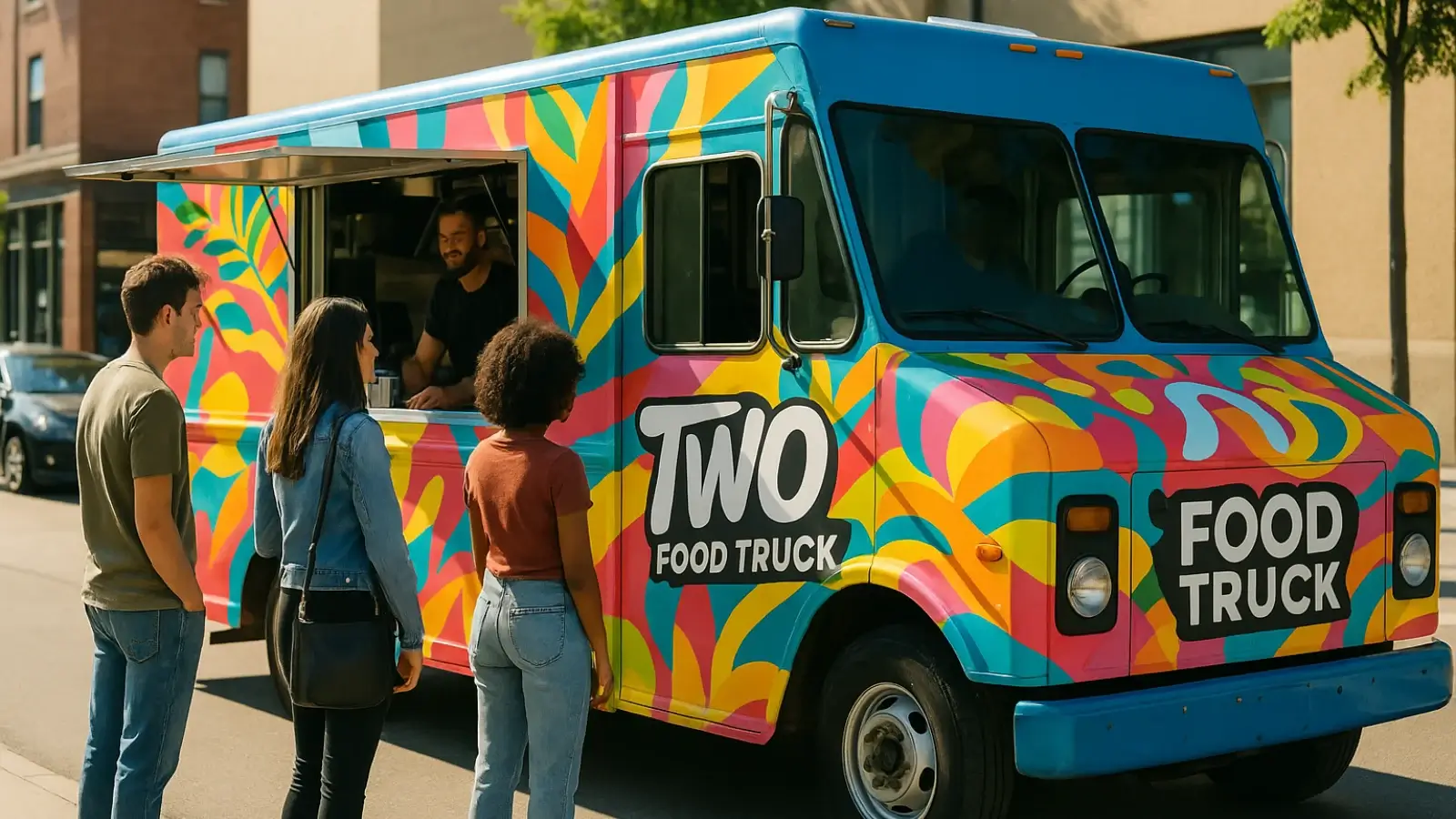
Launching a food truck isn’t just about having a great recipe—it’s about building a brand that people remember, trust, and actively seek out. In a marketplace where first impressions happen fast and customer loyalty is earned on the go, a compelling brand can be the difference between a busy lunch shift and a parked truck with no line.
Branding is more than a logo or color scheme. It’s the emotional and visual identity of your business. It shapes how your customers feel when they see your truck, taste your food, or recommend you to a friend. For mobile kitchens, this identity needs to be portable, powerful, and consistent across every channel—from your truck wrap to your social feed.
Whether you’ve just found a promising food truck for sale or you're in the early stages of design with a food truck manufacturer, now is the time to start thinking beyond the menu. Here’s how to build a food truck brand that not only stands out—but sticks.
1. Define the Brand Personality
What kind of vibe do you want your food truck to give off? Fun and quirky? Sleek and gourmet? Bold and adventurous? Every great brand starts with a clearly defined personality that matches the food and the experience.
Think about your truck as a character:
-
What kind of voice does it have?
-
How would it introduce itself to new customers?
-
What emotions should it evoke?
By answering these questions, you can align every part of your branding—language, visuals, and design—with a unified tone. This makes your messaging more memorable and your identity more authentic.
2. Choose a Name That’s Sticky
Your truck’s name needs to be easy to remember, pronounce, and search. Avoid names that are too long, overly complicated, or hard to spell. Instead, aim for something punchy, relevant to your cuisine or theme, and available as a website domain and social media handle.
Once you’ve locked in the name, secure the digital real estate immediately. Having consistent handles across platforms will make it easier for customers to find and tag you—boosting online visibility.
3. Create a Visual Identity That Travels Well
Your food truck isn’t just a kitchen—it’s your mobile billboard. That means your branding has to be highly visible, readable from a distance, and consistent across every surface.
Consider these essentials:
-
A bold color palette that stands out in crowds
-
Large, readable typography for your truck name and key messages
-
Clear logos or icons that are easy to replicate on menus, packaging, and merchandise
Work with a designer to ensure your branding elements look great not only on your truck but also on business cards, stickers, banners, and digital platforms.
If you're working with a food truck builder or manufacturer, discuss how your visual identity can be integrated into the exterior design, menu boards, and layout signage early in the process.
4. Align Your Menu With Your Brand
Your food offering should reflect your brand values. A rustic BBQ truck shouldn’t serve modernist deconstructed dishes, just as a sleek vegan concept shouldn't feature deep-fried carnival-style desserts. The food itself should be part of the brand story.
Think about:
-
Menu names that support your theme or tone
-
Signature items that become part of your identity
-
How ingredients, plating, and packaging communicate quality and care
Also, avoid bloated menus. Simplicity supports branding because it reinforces consistency and makes it easier for customers to associate your truck with standout favorites.
5. Build Your Brand Experience Around the Customer
Branding isn’t just visual—it’s experiential. Every touchpoint is a chance to reinforce your identity and values.
Focus on these elements:
-
Staff uniforms that reflect your theme
-
Customer service style (playful banter, polite professionalism, etc.)
-
How you handle feedback, complaints, or compliments
From the music you play to the tone of your social posts, everything contributes to how people feel about your brand. Aim for a cohesive experience that builds loyalty with every interaction.
6. Tell a Story That People Want to Share
People connect with stories—not sales pitches. Give your brand a backstory that resonates. Maybe your recipes come from your grandmother, or your concept was inspired by global travels. Whatever your story is, use it to humanize your brand and make it relatable.
Embed your story into your website, social bios, and in-person interactions. When customers can repeat your story to others, they become brand ambassadors without even trying.
7. Embrace Digital Branding from Day One
In today’s mobile-driven world, your digital presence is just as important as your physical one. Many customers will find you through a search engine, Instagram post, or food truck finder app before they ever see your truck in person.
Branding tips for digital platforms:
-
Use consistent visuals and messaging across all channels
-
Post high-quality photos of your food and truck
-
Use location tags and local hashtags to reach nearby audiences
-
Engage actively with comments, shares, and direct messages
Make it easy for people to tag you, repost you, and connect with your brand online. If you plan to participate in events or rotate locations, keep your followers informed with regular updates.
8. Evolve While Staying True
Strong brands adapt over time—but they don’t change core values. As your food truck grows, you may update your look, refresh your menu, or expand to new cities. Keep evolving, but remain grounded in the original story, voice, and purpose that made you successful.
Revisit your branding periodically and ask:
-
Is it still resonating with your audience?
-
Does it reflect how your business has grown?
-
Are there ways to stay fresh while staying consistent?
A great brand stays relevant because it listens, responds, and refines without losing its core identity.
9. Don’t Skip the Foundations
Before you wrap the truck or launch your Instagram, make sure you have the basics covered:
-
A high-resolution logo in multiple file formats
-
A style guide for fonts, colors, and messaging tone
-
A tagline or mission statement that encapsulates your brand
-
A short bio or elevator pitch you can use across platforms
Having these assets ready ensures that your brand stays consistent no matter who’s creating content, printing menus, or wrapping your truck.
Conclusion
Building a food truck brand is not a one-time task—it’s an ongoing process of storytelling, visual design, and customer experience. In a competitive market where first impressions happen fast, having a distinct and well-executed brand gives you a serious edge.
From choosing the right food truck builder to designing a wrap that captures attention, every decision should support your brand’s personality and promise. A consistent, memorable brand not only attracts new customers—it turns them into loyal fans who follow your journey, recommend your truck, and come back for more.
Many entrepreneurs collaborate with professionals like Zion Foodtrucks to help ensure their vision is translated into a functional, branded mobile kitchen. No matter where you start, make sure your brand is something you’d be proud to drive, share, and grow.
Business Outstanders brings you sharp insights on tech, business, entrepreneurship, law, crypto, and more. We uncover what’s next. Stay updated, sign up for our newsletter and be part of the future!