Exterior signage seems like one of those things you’d expect to get right on the first try. It looks simple from the outside, like picking up a sign, hanging it up, and the work is done.
However, there are always those businesses that find themselves with signs that either blend in, confuse people, or fall apart faster than anticipated. Perhaps, you may have a competitor’s sign pull all the attention on a busy street while yours barely gets a glance.
There is good news that you are not stuck with those problems. With a little bit of advance planning, you can choose signage that actually helps your business instead of becoming another headache.
This article will walk you through the five most common pitfalls that arise during the process of companies acquiring exterior signage.
1. Overlooked Brand Consistency
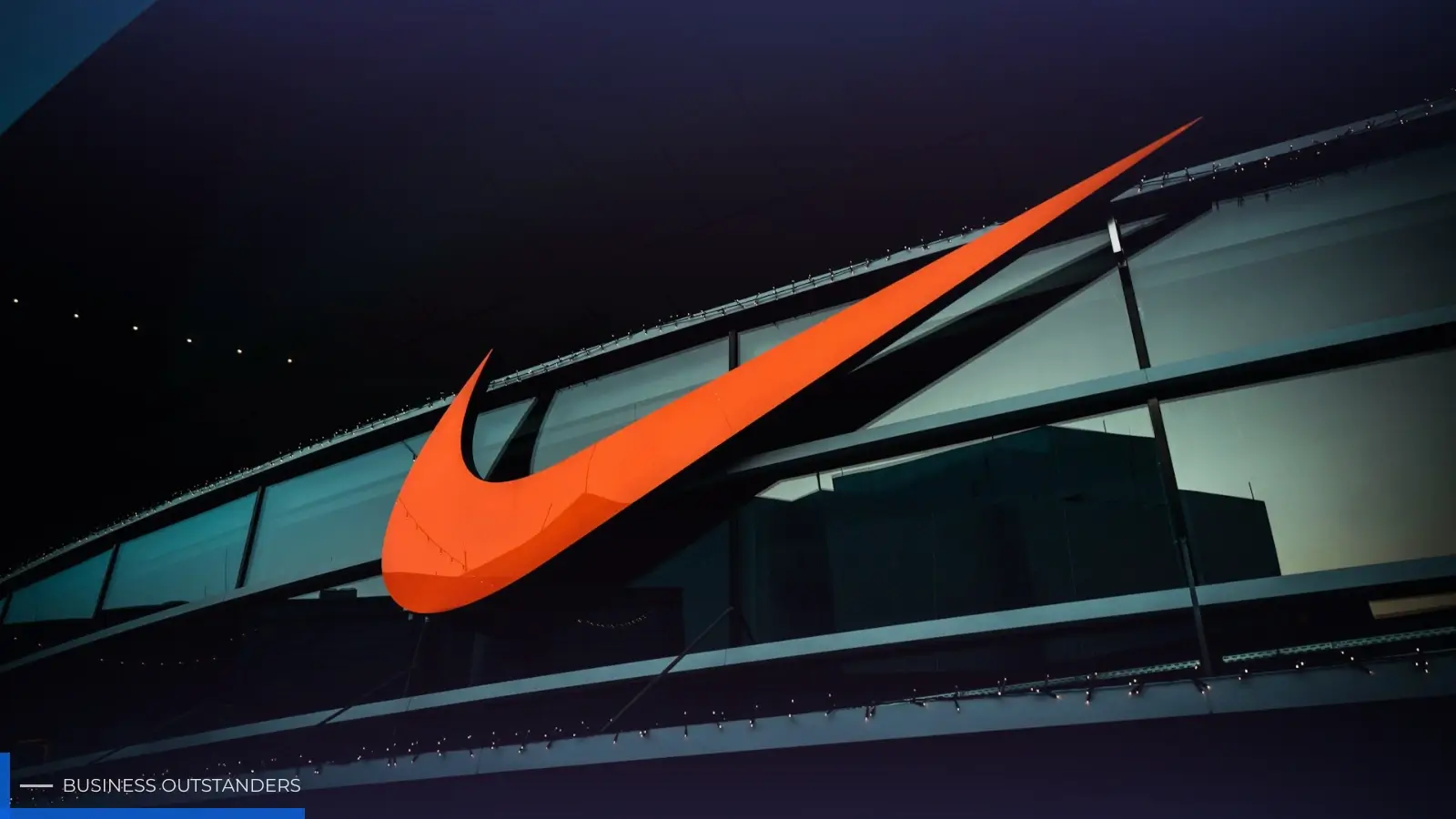
It’s surprisingly common for businesses to put all their energy into the size or brightness of their business signs that they happen to forget the bigger story their brand tells. A sign isn’t just a label; it's a piece of your identity that greets every new customer. If the colors on the sign don’t match your website or the style feels out of character, people notice. Maybe not consciously, but the mismatch creates a little disconnect.
There are signs that look fine on their own but feel completely disconnected from the brand behind them. Such inconsistency makes customers reluctant. They almost feel uncertain about being in the right place. Consistent branding, on the other hand, creates that “oh yes, this is familiar” feeling.
To maintain the balance, make sure that the fundamentals of business signs are on point: fonts, color schemes, type of design, and even messaging tone. If your online and offline visuals feel like they’re part of the same family, customers build trust faster.
2. Ignored Local Regulations
The rules are one of the issues that surprise more business owners than you think. The definition of a legal sign appears to differ slightly across every city, county, and building management team. If you skip the research, you might fall in love with a design only to learn that you can’t actually install it.
Some places limit the size. Others control how bright your lights can be or how far a sign can extend from a building. It’s not fun to discover after you have already paid for fabrication. The International Sign Association notes that permitting issues remain one of the most common setbacks for new signage projects.
It is worth reading through local requirements initially. Ask questions. Check your zoning. Many businesses work with someone familiar with sign permitting just to avoid the back-and-forth, and honestly, that alone can save weeks.
3. Choose Cost Over Quality
It is only natural that everybody desires to meet a budget. But choosing signage based purely on the lowest price almost always comes back around in the worst way. Cheap materials fade, crack, warp, or look dated way too soon. Then you have to repair or replace them, and suddenly the “great deal” is not so great.
Another thing people underestimate is how much a poorly made sign affects perception. Customers judge a business before they even walk inside, and a flimsy or faded sign can quietly tell people your standards aren’t very high. It is like going to a crucial meeting wearing an old pair of shoes that are breaking down. They may work technically, but it does not make an impression.
Materials such as aluminum, acrylic, and long-lasting LEDs cost more initially but hold up far better against weather and time. A durable sign looks sharp longer, and some honestly go years without needing anything more than a quick clean. That’s the real value.
4. Visibility and Placement Failure
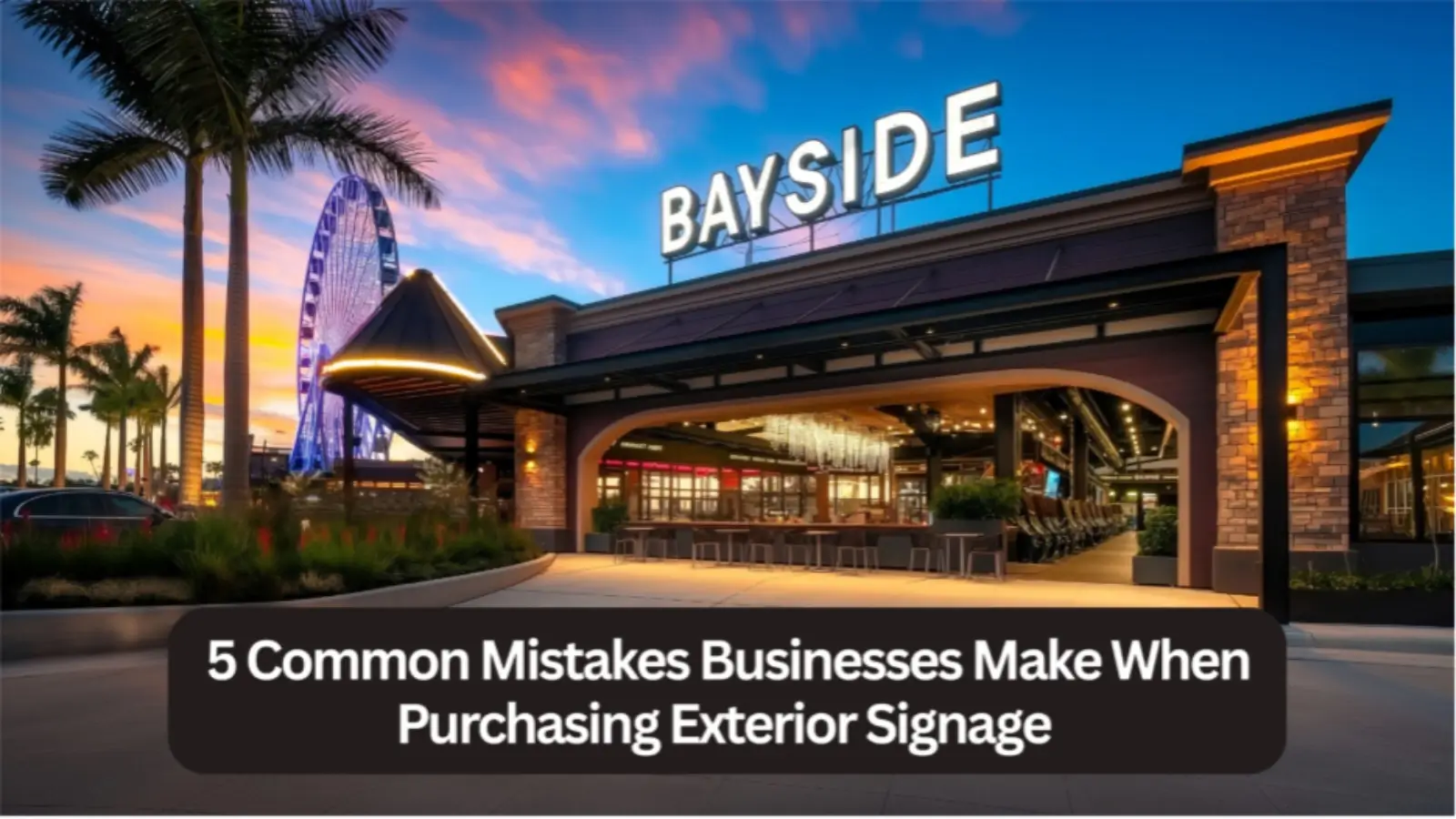
Placement is one of the errors that businesses do not necessarily see until the sign is, in fact, installed. You can have the most beautifully designed sign in your entire city, but if people can’t see it, it doesn’t matter.
Hence, it is a good idea to step outside your building and look at the signs from different angles. Stand across the street. Drive by. Check what the view looks like at night or at sunrise. Sometimes the spot that seems obvious isn’t the one that makes the most sense from your customers’ perspective.
Lighting is another thing that gets overlooked. A sign that disappears the moment the sun goes down isn’t doing its job. If your area has a lot of nighttime foot traffic or evening commuters, lighting becomes a major factor. Studies show that well-designed signage can influence customer behavior and encourage people to engage with a location more effectively
5. Maintenance and Longevity Forgotten
Exterior signs are outside all day in rain, heat, dust, UV rays, and whatever else nature decides to throw at them. Even the finest materials require some maintenance. However, owners sometimes get so focused on the initial design that the long game includes maintenance.
Little issues add up fast. Dirt builds up. Plants grow in front of the sign. Colors fade. Lighting flickers. None of these things happens overnight, but if you ignore them, the sign slowly loses its punch.
If you’re picking a new sign, ask about the lifespan. Inquire about the maintenance and regularity of cleaning, or check it out. Materials designed specifically for outdoor durability, such as UV-resistant coatings, sealed LEDs, and rust-proof metals, make upkeep easier and extend the sign’s life. A small maintenance plan now saves you from expensive problems later.
Conclusion
Exterior signage has a big job to do, and honestly, it's one of the first things people notice about your business. When companies skip steps or rush decisions, the sign usually ends up underperforming.
However, with some knowledge, staying consistent with your brand, understanding local rules, choosing quality, thinking through visibility, and planning for maintenance, you set yourself up for a sign that works for you instead of against you.
Take a moment to look at your current or future signage with these ideas in mind. A few smart adjustments now can lead to better visibility, smoother customer experiences, and a stronger impression from the moment someone sees your building.
Business Outstanders brings you sharp insights on tech, business, entrepreneurship, law, crypto, and more. We uncover what’s next. Stay updated, sign up for our newsletter and be part of the future!