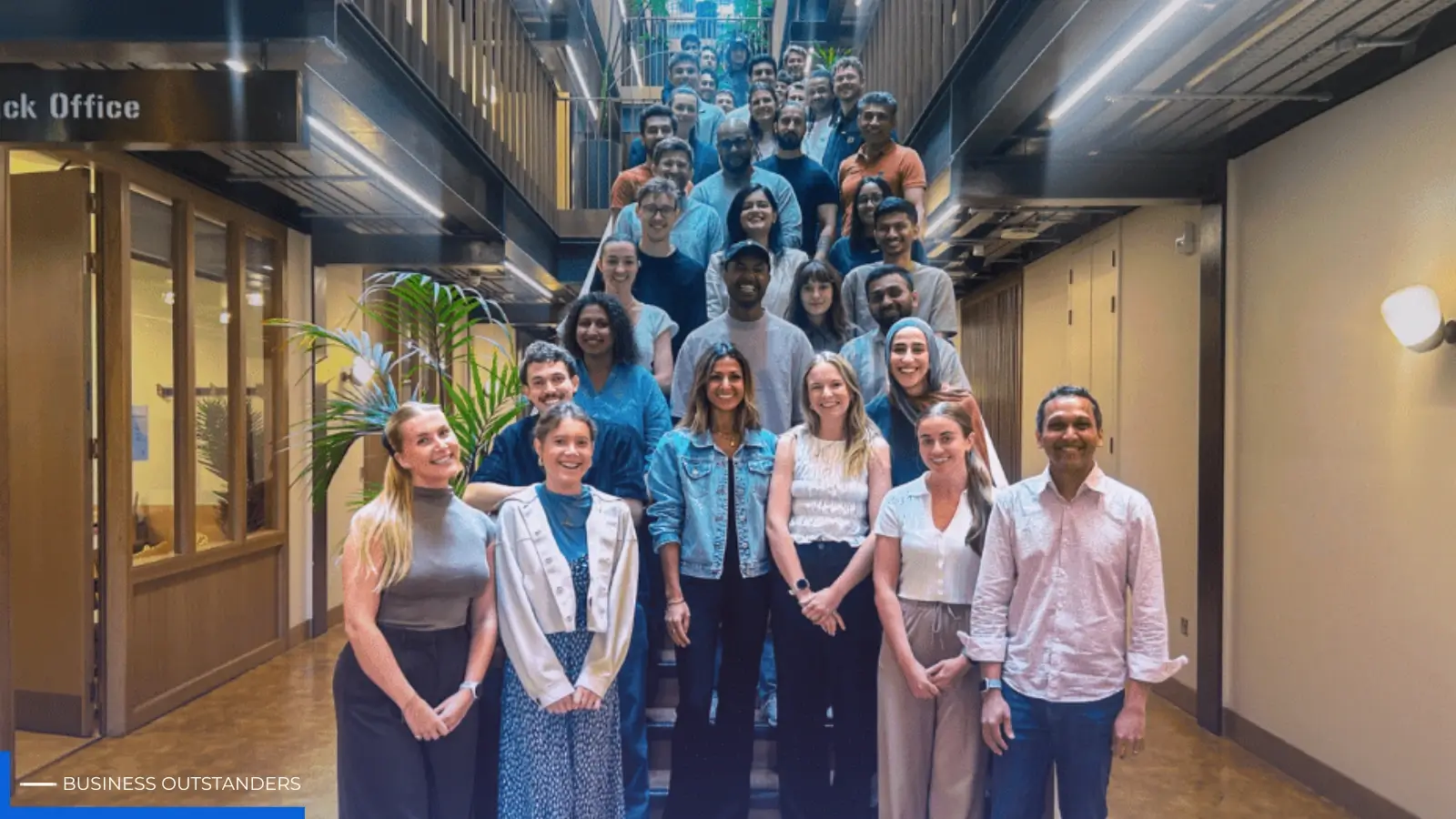
In today’s increasingly interconnected and multicultural society, promoting diversity and inclusion in hiring has become essential for businesses aiming to thrive and stay relevant. Companies that actively seek to build diverse teams and foster inclusive work environments not only contribute to social equity but also enjoy tangible benefits such as increased innovation, stronger employee engagement, and better overall performance. However, despite growing awareness of the importance of diversity and inclusion (D&I), many organizations continue to struggle with embedding these principles into their recruitment and hiring practices.
Understanding Diversity and Inclusion
Diversity refers to the presence of differences within a group, encompassing characteristics such as race, ethnicity, gender, age, disability status, socioeconomic background, sexual orientation, and more. Inclusion, on the other hand, is about ensuring that individuals of all backgrounds feel welcomed, respected, supported, and able to fully participate and contribute to their organization.
When businesses commit to creating diverse and inclusive teams, they gain access to a variety of perspectives, experiences, and problem-solving approaches. Numerous studies have shown that diverse teams tend to perform better, with increased creativity and improved decision-making. In fact, a McKinsey report revealed that companies with higher levels of ethnic and racial diversity are significantly more likely to outperform their industry peers financially.
Inclusion also plays a critical role in employee satisfaction and retention. When employees feel that their identities and perspectives are valued, they are more likely to be engaged, loyal, and motivated to perform at their best. A workplace that values inclusion cultivates a culture where everyone can thrive, leading to long-term business success.
Challenges in Implementing D&I in Hiring
Despite its advantages, achieving meaningful diversity and inclusion in hiring can be challenging. One of the biggest barriers is unconscious bias. Even when hiring teams have good intentions, they can still be influenced by subconscious preferences that affect how they evaluate candidates.
For example, studies have found that applicants with names perceived as ethnic are less likely to receive callbacks than those with traditionally white-sounding names, even when their qualifications are identical. Women and candidates from underrepresented backgrounds may face additional scrutiny during interviews or be judged by different standards than their peers. These subtle forms of bias can significantly hinder efforts to create diverse teams.
Another challenge is the lack of visibility and representation in certain industries. In fields such as technology, finance, or engineering, where certain demographics have historically been dominant, breaking the cycle of underrepresentation can be difficult. If prospective candidates don’t see people like themselves within a company or industry, they may feel discouraged from applying, reinforcing a lack of diversity in the applicant pool.
Steps Toward More Inclusive Hiring
To address these obstacles, companies must adopt proactive strategies to ensure diversity and inclusion are deeply embedded in their hiring processes. One effective method is implementing blind recruitment, where identifying information—such as names, gender, and age—is removed from applications. This helps hiring teams focus on the candidate’s qualifications and experience, rather than being influenced by unconscious biases.
Establishing clear diversity hiring goals is another key strategy. Setting measurable targets helps track progress and hold the organization accountable. These goals should be realistic but ambitious enough to drive meaningful change. Transparency about these objectives encourages buy-in from leadership and hiring teams, ensuring that everyone understands the importance of inclusive hiring.
Training hiring managers and HR staff on recognizing and addressing bias is also essential. Providing tools and strategies to conduct fair interviews, evaluate candidates consistently, and appreciate diverse experiences ensures more equitable outcomes. Ongoing education in this area reinforces a culture of awareness and growth.
Organizations can also benefit from expanding their recruitment efforts by partnering with diverse professional organizations, community groups, or educational institutions. These partnerships can help reach candidates from underrepresented backgrounds who may not have been aware of certain opportunities.
It’s also important to understand that inclusion goes beyond hiring. Creating a workplace culture where all employees feel heard and supported is crucial for retaining diverse talent. Offering mentorship, fostering employee resource groups, and ensuring diverse representation in leadership roles can reinforce a culture of inclusion.
Even community-driven actions—such as supporting local causes or donating a car in Florida to benefit nonprofits—can reflect a company's broader commitment to equity and social responsibility, signaling to both employees and job seekers that the organization stands behind its values.
Final Thoughts
Diversity and inclusion in hiring are no longer optional—they are fundamental to building strong, future-ready organizations. By taking deliberate steps to address bias, set clear goals, and cultivate inclusive cultures, companies can harness the power of diverse perspectives and drive meaningful progress. The journey toward inclusive hiring may not be simple, but the rewards—greater innovation, improved performance, and a more just workplace—make it well worth the effort.

Infographic provided by Goodwill Car Donations, a top company for donating a car in Florida
Business Outstanders brings you sharp insights on tech, business, entrepreneurship, law, crypto, and more. We uncover what’s next. Stay updated, sign up for our newsletter and be part of the future!