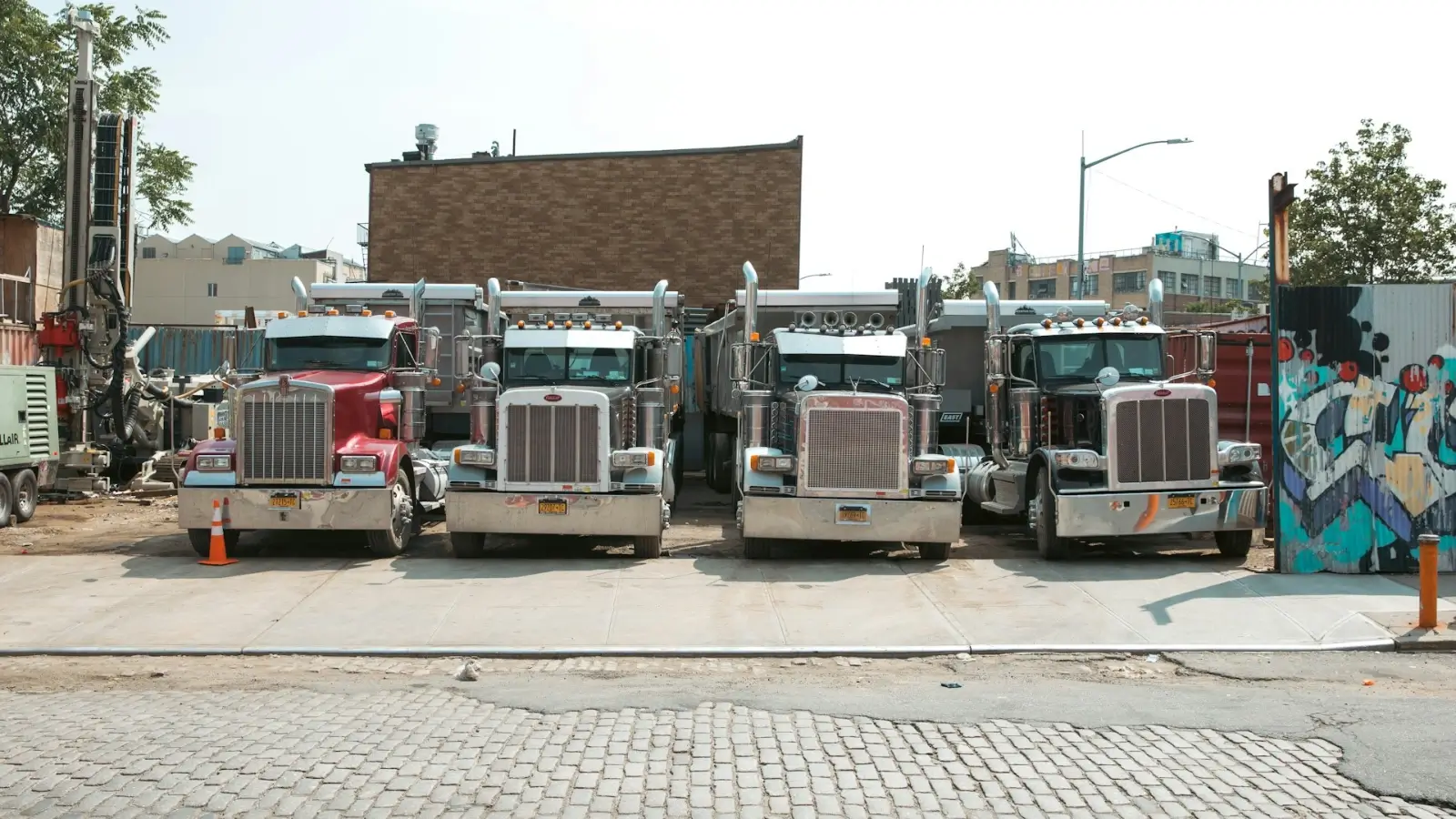
The first step toward rock-solid commercial auto liability policy is an exact list of the power units it covers.
Miss one VIN and a single accident can drain working capital faster than a blown injector empties a fuel line. Yet some transportation carriers still treat their vehicle schedule as a once a year clerical chore.
If a fleet runs everything from day-cab box trucks to boom-equipped wreckers, accuracy is vital. This guide explains how to decide which units must appear on the schedule, where the legal land mines may sit, and how a modern Mutual Risk Retention Group keeps the paperwork current without slowing dispatch.
Why the FMCSA sets the rules
FMCSA requires proof of liability coverage for for-hire carriers in interstate commerce. States, in turn, require liability for any vehicle operating on public roads, even if it never leaves local routes.
If a vehicle operates on public roads, it must be insured under the policy—whether scheduled individually or covered under a broader form. State regulators add their own twists, especially for heavy equipment or hazardous cargo. A crew truck that feels harmless in a gravel pit falls under the same statutory limits the moment it crosses the gate onto a state highway.
Three questions that draw the boundary
Before you add or remove a vehicle from an auto liability policy, run through these checkpoints with the safety manager and the appointed insurance agent.
- Does the unit ever travel a public route? Yard tractors and terminal shuttles that never leave private property may not require coverage, but if they cross a public street, they belong on the schedule.
- Is the title in the company name? Vehicles titled to an owner-operator or rental provider are usually covered under hired or non-owned auto coverage, not as a scheduled VIN.
- Could the truck be used for work unexpectedly? A parked spare sometimes becomes a revenue unit when another truck goes down. Add it before the first trip to avoid gaps.
The hidden risk of seasonal or project units
Flatbeds that move heavy equipment for one summer project, dump trucks that haul storm debris for ninety days, or reefers that fill a harvest contract all create temporary exposure the moment they operate on public roads.
Unfortunately, sometimes carriers may overlook to endorse these specialty trucks before they hit the road. When a chain of temporary units piles up without timely endorsements, coverage gaps appear. A best practice is to set up a quarterly calendar reminder that brings operations, safety, and the broker to audit every active license plate against the live liability schedule.
Mutual RRG tools that ensure accuracy
In many traditional insurers, endorsement changes are processed overnight or once every few days. If filings or proof of insurance don’t show active coverage, roadside enforcement can sideline the truck until the issue is resolved.
At STAR Mutual RRG, updates are handled as they come in. When a truck is removed from service, the record can be removed in a single step, which helps avoid paying for coverage that’s no longer needed. STAR Mutual files updates directly with states, so compliance records refresh as quickly as the jurisdiction allows.
Common scheduling mistakes and how to prevent them
An accurate vehicle schedule is simpler than most managers might think. These routines prevent ninety percent of errors:
- Match registration or inspection stickers to policy names every month, then photograph the plate for electronic proof.
- Link the equipment list in the maintenance system to insurance reports, so any new work order on a fresh VIN alerts the risk team automatically.
- Create a sunset date for every rental or leased unit, and schedule a confirmation email one week before the return deadline.
- Store proof of insurance links in the dispatch portal, so the driver can show a live certificate at a roadside stop without digging through paper.
- Hold a brief quarterly call with your insurance agent to remove any dormant or sold units.
Each habit keeps liability coverage aligned with the actual fleet instead of last quarter’s roster.
A short note on mixed body styles
Specialized units often carry higher liability exposure. A crane truck working streetlight maintenance may interact with pedestrians, while a debris hauler on a demolition site may face low-speed collisions with unlicensed operators on foot. Liability limits should reflect the heaviest exposure in the fleet, and excess or umbrella coverage can provide protection above the primary policy.
Closing thought
Every claim starts with a single question from the adjuster: “Is the involved vehicle listed on the policy?” The correct answer must always be yes. Accurate scheduling comes from a mix of disciplined internal processes and systems that update liability records in real time. Speak with your insurance agent today and see how STAR Mutual RRG can align every truck in your specialized fleet with precise, up-to-the-minute auto liability protection.
Business Outstanders brings you sharp insights on tech, business, entrepreneurship, law, crypto, and more. We uncover what’s next. Stay updated, sign up for our newsletter and be part of the future!