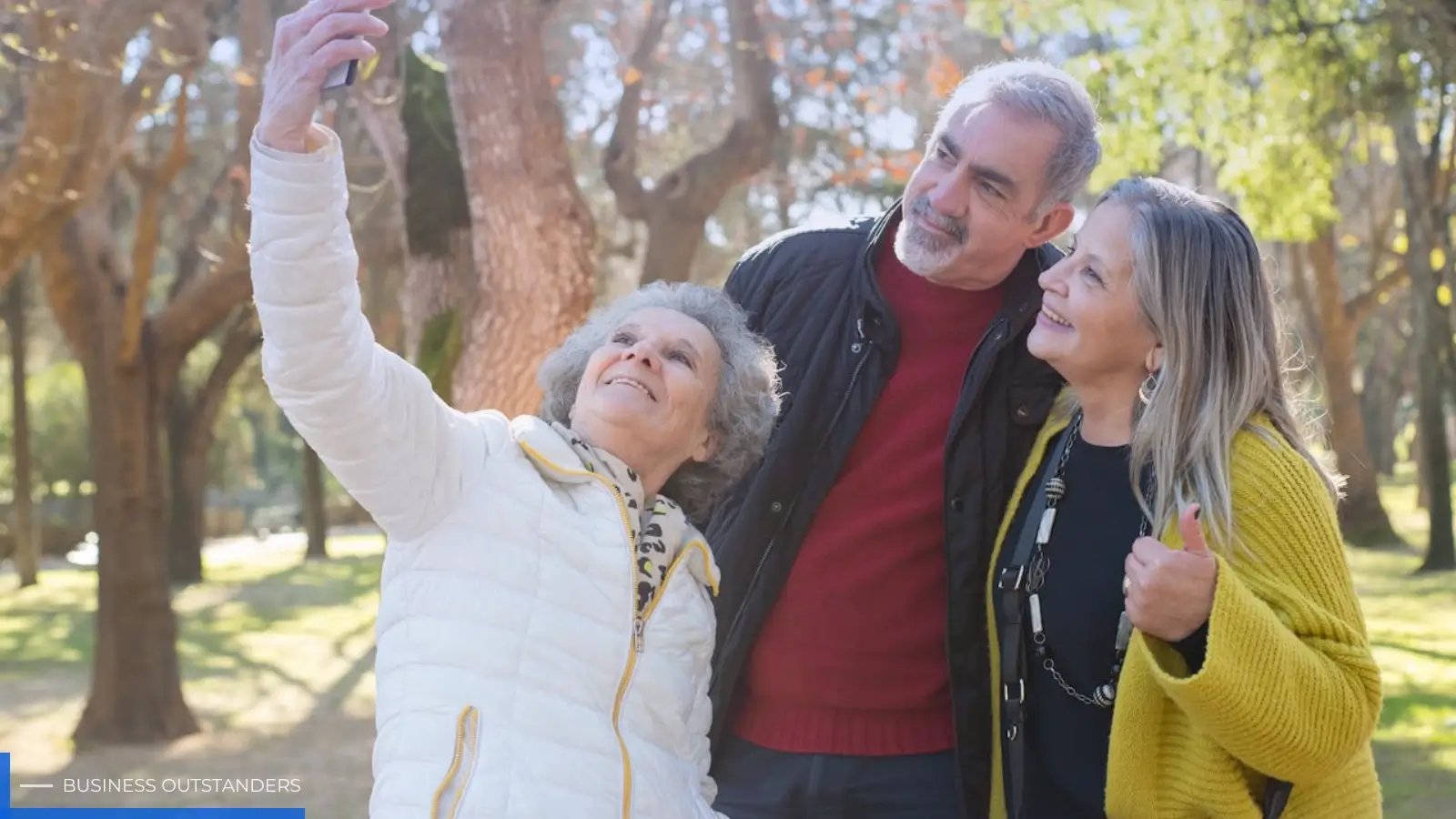
Reaching retirement is one of life's most significant milestones, it's the culmination of decades spent working hard and saving diligently. But here's where things get interesting: after years of watching your nest egg grow, you're faced with a completely different challenge. How do you actually use these funds you've worked so hard to accumulate? The choices you make about deploying your retirement savings can shape everything from your day-to-day comfort to your long-term financial security and the legacy you'll leave behind. It's worth taking time to think through your options carefully, considering factors like your health, lifestyle dreams, and what you want your retirement to look like, while avoiding common retirement planning mistakes.
Invest in Quality Healthcare and Preventive Services
Smart uses of retirement savings, putting money toward your health should be near the top of the list. Healthcare expenses consistently rank as one of the biggest costs retirees face, we're talking roughly two hundred eighty thousand dollars for the average couple throughout retirement. But here's the thing: you don't want to think about healthcare spending as just reacting to problems as they pop up. Instead, consider taking a proactive approach by investing in preventive care, regular screenings, dental work, vision care, and hearing aids that Medicare might not fully cover.
Create a Sustainable Income Stream Strategy
Building a reliable income strategy is absolutely fundamental to retirement success, and it deserves serious attention when you're figuring out how to use your savings. Rather than making big, random withdrawals whenever you need cash, which can drain your accounts frighteningly fast, you'll want to establish a systematic approach that balances what you need today with making sure your money lasts. You've probably heard of the four percent rule, which suggests withdrawing four percent of your portfolio each year and adjusting for inflation, though modern retirement planning often calls for more flexible approaches depending on how the markets are behaving and what's happening in your life. Think about creating multiple income streams that work together: Social Security benefits, pension payments if you're lucky enough to have them, systematic withdrawals from tax-deferred accounts, and possibly income from taxable investment accounts.
Downsize or Optimize Your Living Situation
Your housing situation is both a major expense and a golden opportunity to strategically use retirement savings for a better quality of life and smarter finances. Many retirees discover that the family home that worked perfectly during their working years just doesn't fit anymore, it requires too much maintenance, the property taxes are eating into their budget, and utility bills keep climbing, making options like a pooled income trust worth considering as part of a smarter financial plan. Downsizing to something smaller and more manageable can free up substantial equity while cutting ongoing costs, letting you redirect those funds toward travel, healthcare, or building up your investment accounts. Some folks choose to relocate entirely, moving to areas where living costs less, the weather's better, or they're closer to family, effectively making their retirement dollars stretch much further. Others prefer to stay put but invest in modifications that make their current homes safer and more accessible, things like walk-in showers, stairlifts, wider doorways, and better lighting that help them age in place comfortably. There's also a growing trend of moving to senior living communities, which offers a compelling combination of maintenance-free living, social opportunities, and access to different levels of care as needs change over time. When evaluating senior living options in the Dallas-Fort Worth area, communities like Morada North Richland Hills provide amenities like fitness centers, dining options, and organized activities that enhance quality of life while potentially reducing overall living expenses when compared to maintaining a traditional home. Taking a fresh look at where and how you live, and really thinking about whether your housing choices align with your retirement goals, can unlock both financial benefits and lifestyle improvements you might not have considered.
Fund Meaningful Experiences and Legacy Goals
Your retirement savings shouldn't just cover bills and necessities, they should also fund the experiences and legacy goals that make life worth living. After decades of delaying gratification and being financially disciplined, retirement gives you the freedom to invest in travel, hobbies, education, and passions that truly enrich these years. Many financial advisors now talk about a "spending smile" in retirement, where you spend more in those early, active years when you can fully enjoy travel and adventures, dial it back during your middle retirement years, and see expenses potentially rise again later for healthcare needs. Setting aside retirement funds for bucket-list trips, diving into hobbies you've always wanted to pursue, or even starting a small business or consulting practice can bring immense satisfaction and a real sense of purpose.
Build an Emergency Reserve and Manage Debt
Setting up a solid emergency fund specifically for unexpected expenses is critical but often gets overlooked when people are planning how to use their retirement savings. Retirees face unique risks, home repairs that can't wait, vehicles that need replacing, medical emergencies, and family situations that require financial help, all of which can completely derail carefully constructed plans if you haven't prepared for them. Financial experts typically recommend keeping six to twelve months of living expenses in accounts you can access easily, creating a buffer against market downturns that might otherwise force you to sell investments at exactly the wrong time. This emergency cushion lets you avoid racking up high-interest debt when surprises hit and provides genuine peace of mind knowing you can handle financial curveballs without disrupting your long-term investment strategy.
Invest in Education and Personal Growth
Dedicating part of your retirement savings to continued learning, skill development, and personal growth often yields returns that go way beyond financial considerations, it enhances cognitive health, strengthens social connections, and boosts overall life satisfaction. Retirement offers unprecedented opportunities to pursue educational interests that career demands might have previously prevented, whether that's formal university courses, online learning platforms, community workshops, or specialized training programs. Many universities offer reduced tuition for seniors, making this investment surprisingly affordable while providing the intellectual stimulation and social engagement that contribute to healthy aging. Learning new skills like languages, musical instruments, art techniques, or mastering technology keeps your mind sharp and opens doors to new communities and experiences you might never have discovered otherwise.
Conclusion
Using your retirement savings strategically means balancing multiple priorities while staying flexible enough to adapt as your circumstances change throughout retirement. The six approaches we've explored represent fundamental strategies that, when implemented thoughtfully, can significantly boost both your financial security and quality of life. Rather than picking just one approach, the most successful retirees blend multiple strategies together, creating a comprehensive plan that addresses healthcare needs, generates reliable income, optimizes where they live, funds meaningful experiences, maintains emergency preparedness, and supports continued growth and learning. Regularly reviewing and adjusting your retirement savings strategy keeps it aligned with changes in your health, market conditions, tax laws, and personal priorities.
Business Outstanders brings you sharp insights on tech, business, entrepreneurship, law, crypto, and more. We uncover what’s next. Stay updated, sign up for our newsletter and be part of the future!