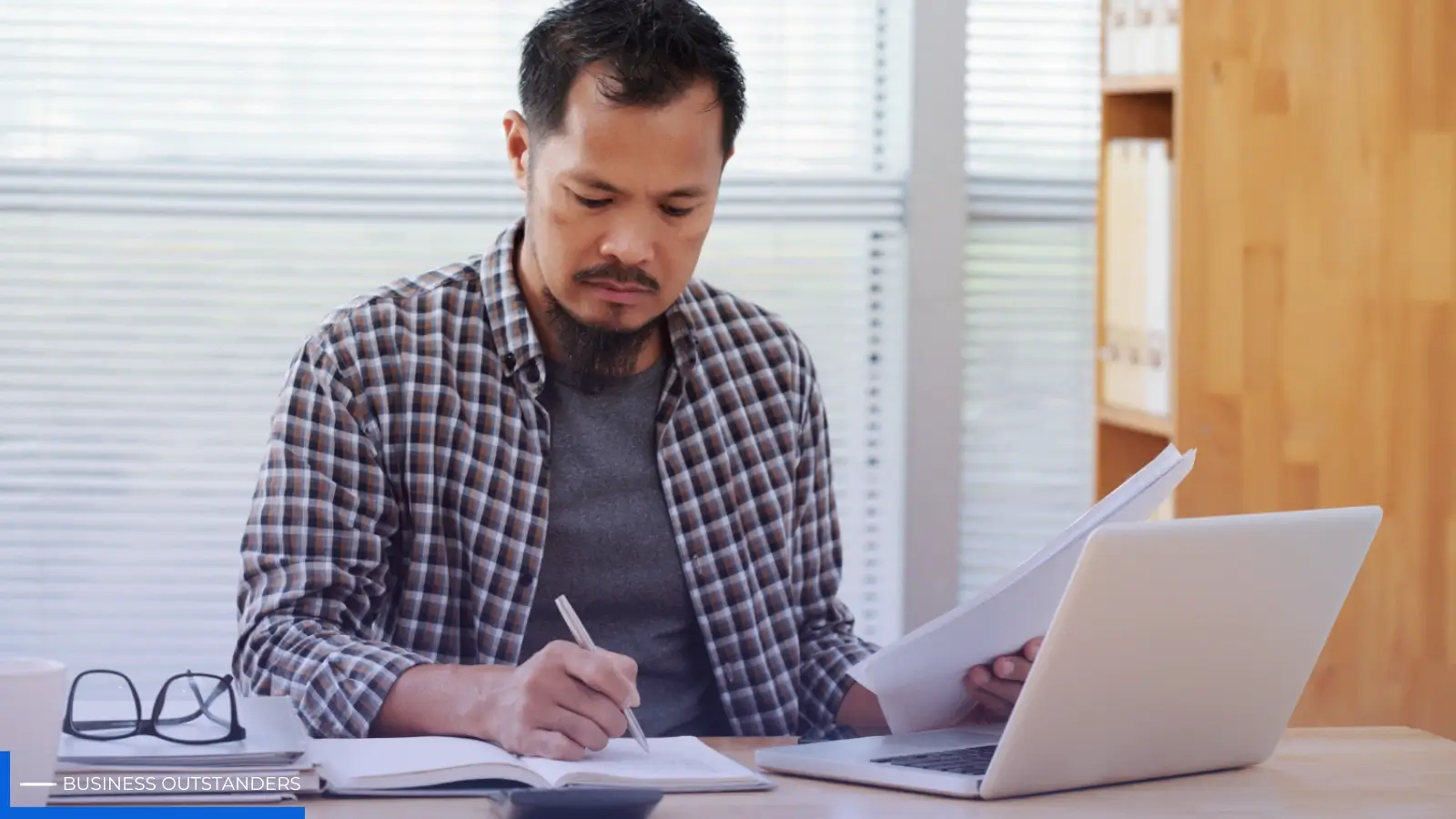
When you're running a business solo, every dollar counts. I get why many sole traders handle their own books, especially in those early days when revenue is unpredictable. You figure you can save money by doing everything yourself, and honestly, accounting doesn't seem that complicated from the outside. But here's what changes as your business grows. Your time becomes more valuable than the accountant's fees, and the complexity of tax obligations increases faster than you'd expect. Working with accountants for sole traders isn't just about getting your tax return done. It's about having someone who understands the specific challenges and opportunities that come with being a one-person operation.
The Tax Deductions Most Sole Traders Miss
This is where things get interesting. Most sole traders claim the obvious stuff like equipment and supplies, but there's so much more you can legitimately deduct. Home office expenses are a big one that people either skip completely or calculate wrong. You can claim a portion of your rent or mortgage interest, utilities, internet, even home insurance based on the percentage of your home used for business.
Then there's vehicle expenses. If you use your car for business purposes, you can claim either actual expenses or use the cents per kilometer method. According to ATO data, the average sole trader leaves about $3,200 in unclaimed deductions on the table each year. That's real money that could stay in your pocket. An accountant who specializes in sole trader taxation knows exactly what to look for and how to document it properly so you're covered if the ATO ever asks questions.
Separating Personal and Business Finances
Here's something that trips up almost every sole trader at some point. Legally, you and your business are the same entity, which makes it tempting to blur the lines between personal and business expenses. I've seen people pay for groceries from their business account or use personal savings to cover business costs without tracking it.
This creates a nightmare at tax time. Your accountant has to sort through everything and figure out what's actually business related. More importantly, mixing finances makes it nearly impossible to see if your business is actually profitable. You might think you're doing great because there's money in the account, but that could include personal funds you transferred in last month. A dedicated accountant will set you up with proper systems from the start, usually just a separate bank account and clear guidelines on what goes where.
Planning for Irregular Income and Tax Obligations
Sole trader income can swing wildly month to month. You might make $15,000 in March and $3,000 in April. This irregularity makes tax planning crucial because you don't have an employer withholding tax each pay period. You're responsible for setting aside enough to cover your tax bill when it arrives.
Most accountants for sole traders will calculate your estimated tax liability quarterly and tell you exactly how much to set aside. Some even help you set up PAYG installments so you're paying tax throughout the year instead of getting slammed with one huge bill. Research from small business studies shows that sole traders working with accountants are 70% less likely to face cash flow problems related to tax payments.
When Your Business Grows Beyond Basic
At some point, many sole traders start considering structure changes. Maybe bringing on a contractor, forming a partnership, or moving to a company structure for liability protection. These decisions have massive tax implications that aren't immediately obvious.
Business Outstanders brings you sharp insights on tech, business, entrepreneurship, law, crypto, and more. We uncover what’s next. Stay updated, sign up for our newsletter and be part of the future!