When people think of buying a house, the focus often drifts to curb appeal, kitchen counters, or neighborhood schools. What is less glamorous, but far more critical, is what lies beneath. The unseen systems under the soil can carry enormous financial and environmental consequences. Among these, a septic inspection when buying a house is one of the most overlooked steps, despite the risks of skipping it.
The Invisible Infrastructure
Every home operates on hidden networks, from plumbing lines to electrical wiring. Septic systems handle all wastewater for homes not connected to municipal sewers, quietly performing one of the dirtiest but most essential jobs. They are designed to last decades, but their lifespan depends heavily on proper installation, soil conditions, and regular maintenance. A buyer who assumes “out of sight, out of mind” may face tens of thousands of dollars in repair or replacement costs.
Why Hidden Systems Matter More Than Cosmetic Details
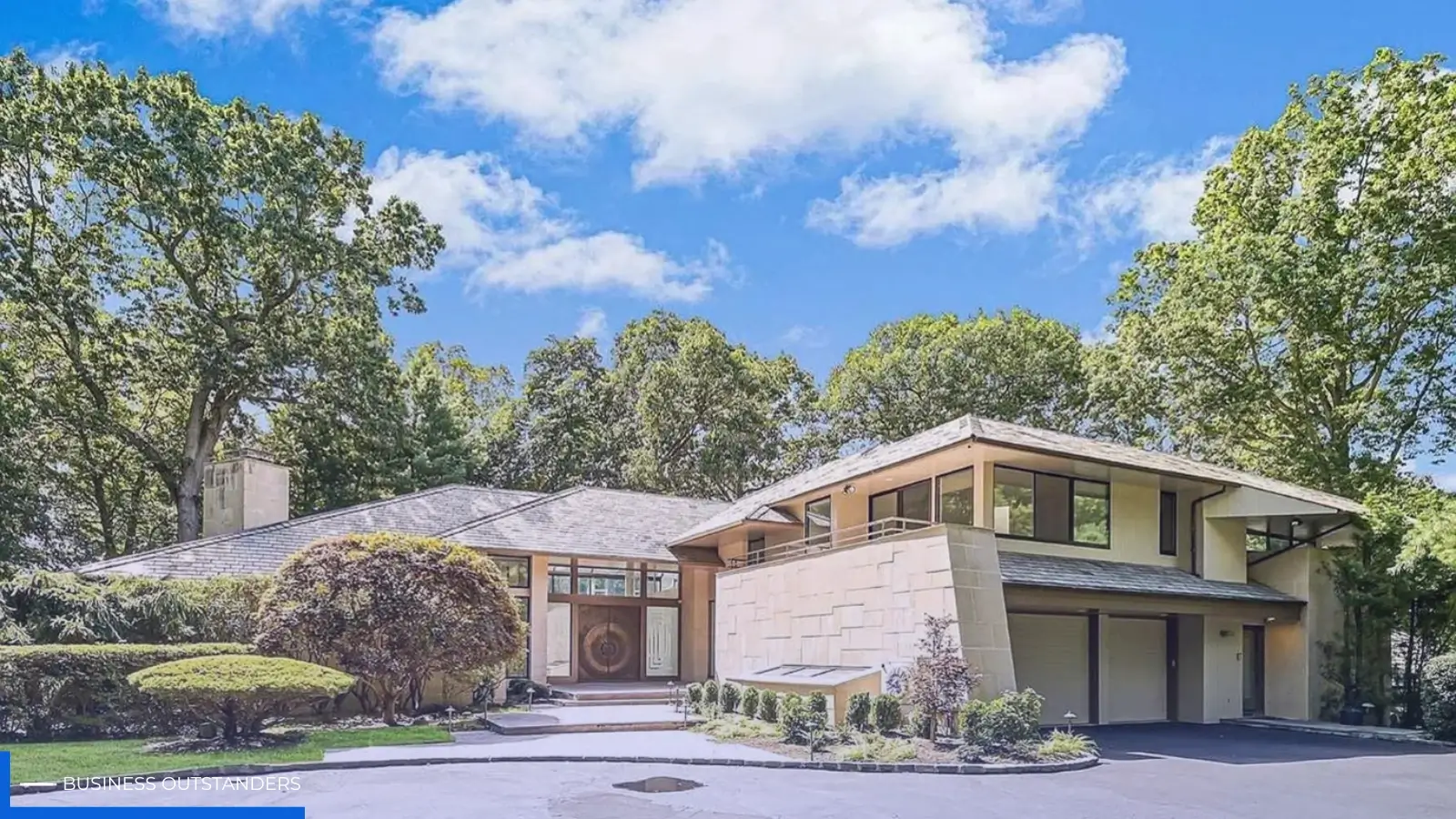
It is easy to be distracted by cosmetic features: a renovated bathroom or open floor plan is immediately visible and tangible. Yet these are the features with the least impact on the long-term livability of a property. The systems underground, often ignored during the buying process, can determine whether a home is truly move-in ready or a ticking financial time bomb. Imagine moving into a property only to discover sewage backing into the yard during your first heavy rain.
The Cost of Neglect
Skipping the inspection of underground systems is more than a gamble; it is a risk with real numbers attached. Septic repairs can range from a few thousand dollars for a tank pump to over $20,000 for a complete replacement. Beyond the financial hit, a malfunctioning septic system poses health hazards and can damage the surrounding environment by leaking untreated waste into groundwater. Homeowners may also face legal liabilities if their system contaminates neighboring land.
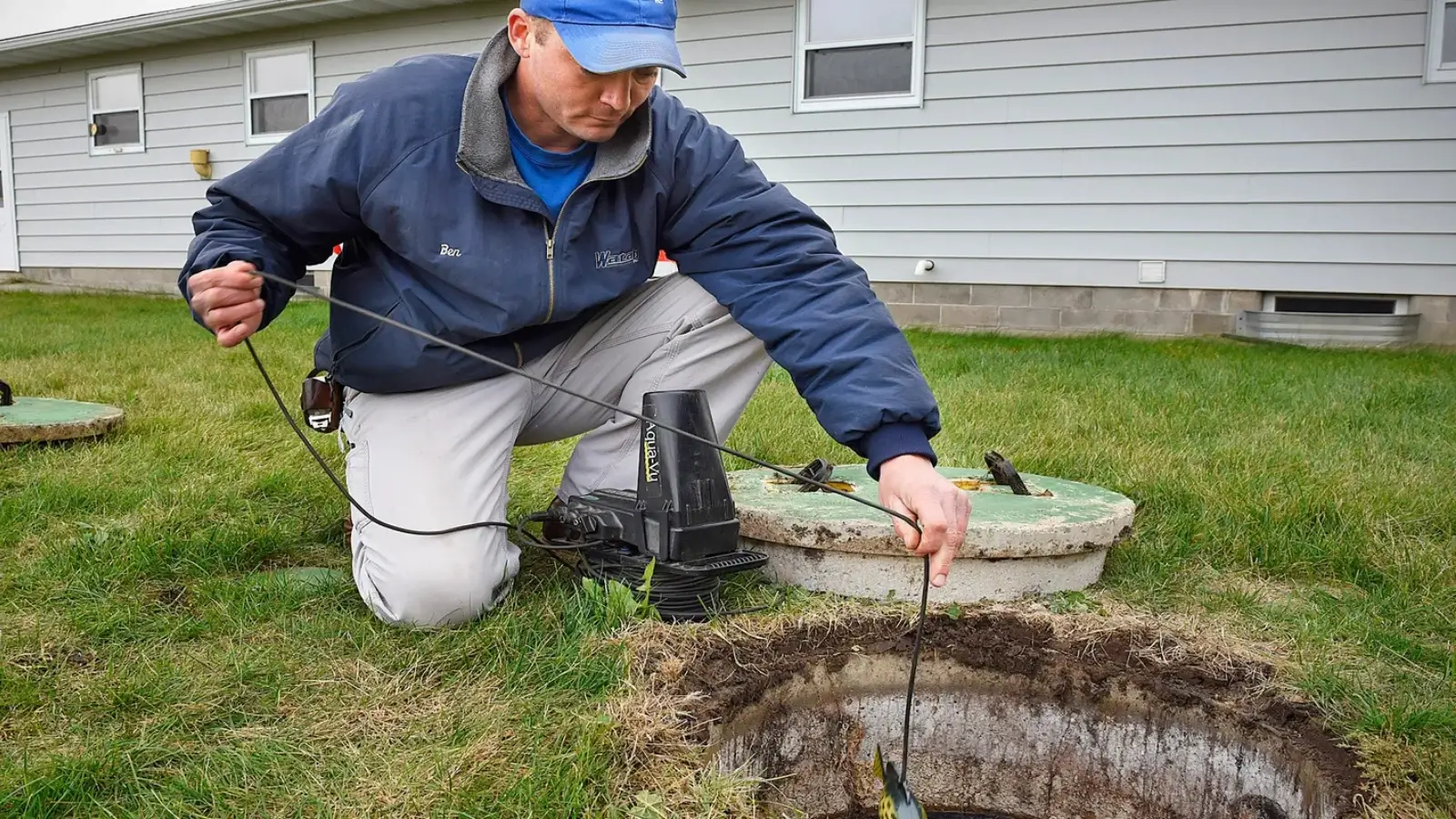
When buying a house, a septic inspection is not simply a box to check; it is a safeguard against these scenarios. Inspectors evaluate the tank, drain field, and soil absorption to ensure the system functions as intended. It is not about finding perfection but identifying risks before they become disasters.
Lessons from Overlooked Details
In the frenzy of real estate transactions, buyers often prioritize speed. Skipping “extras” like inspections is tempting when multiple offers are on the table. Yet history shows that the overlooked details often become the most consequential. Structural cracks, outdated wiring, or septic failure can erase the savings of a competitive bid.
Buying a home without investigating its hidden systems is like purchasing a car without checking the engine. The glossy paint and leather seats matter little if the transmission fails a month later.
How Buyers Can Stay Grounded
For prospective homeowners, the strategy is straightforward:
- Never waive system inspections for the sake of speed.
- Ask sellers for maintenance records, particularly for septic pumping and inspections.
- Recognize that some of the most critical home features are invisible on the tour.
The peace of mind from knowing the unseen is sound cannot be overstated. A home is more than its surface; it is a long-term ecosystem where hidden systems quietly define daily comfort.
A Closing Thought
The stories of homeowners blindsided by failed septic tanks or collapsing infrastructure are cautionary tales, not rare exceptions. Beneath every freshly painted wall and staged living room lies a network of systems that need attention. For buyers, the real question is whether a house looks like a dream or can function as one.
Business Outstanders brings you sharp insights on tech, business, entrepreneurship, law, crypto, and more. We uncover what’s next. Stay updated, sign up for our newsletter and be part of the future!