A real estate developer plays a critical role in shaping urban landscapes, residential neighborhoods, and commercial hubs. These professionals oversee the development process from conceptualization to completion, ensuring that projects meet financial, functional, and aesthetic goals. Real estate development is more than just buying land and constructing buildings; it involves strategic planning, financing, market analysis, regulatory compliance, and project management.
Understanding the role of a real estate developer, their responsibilities, challenges, and contributions to communities can provide insight into why they are essential for creating sustainable, profitable, and vibrant environments.
What is a Real Estate Developer?
A real estate developer is an individual or company that invests in, plans, and manages property development projects. Developers identify opportunities for residential, commercial, or mixed-use developments, secure financing, coordinate with architects and contractors, and oversee construction to deliver a finished project.
Unlike real estate agents who focus on property sales or brokers who manage transactions, real estate developers are responsible for the entire lifecycle of a development project. Their work involves both financial risk and creative decision-making, as they determine what to build, where to build, and how to market the project to maximize value.
Responsibilities of a Real Estate Developer
The responsibilities of a real estate developer are extensive and diverse, requiring a combination of business acumen, technical knowledge, and strategic thinking.
1. Land Acquisition and Analysis
A key responsibility of a real estate developer is identifying suitable land for development. This involves analyzing location, zoning regulations, market demand, environmental factors, and potential return on investment. Developers perform feasibility studies to assess the viability of projects and minimize financial risk.
2. Financing and Investment
Securing financing is a critical aspect of real estate development. Developers often work with banks, private investors, or financial institutions to obtain loans or funding. They create detailed financial plans, including projected costs, expected revenue, and risk analysis, to attract investment and ensure profitability.
3. Planning and Design
Real estate developers collaborate with architects, engineers, and urban planners to design projects that are functional, aesthetically appealing, and compliant with local building codes. Planning includes site layout, infrastructure development, interior design, and landscape planning. Developers ensure that designs align with market demand and target audience expectations.
4. Project Management
Managing construction is a core function of a real estate developer. This involves hiring contractors, coordinating subcontractors, scheduling tasks, monitoring progress, and resolving issues that arise during construction. Developers ensure that projects are completed on time, within budget, and to the desired quality standards.
5. Marketing and Sales
Once construction is underway or completed, developers oversee marketing strategies to attract buyers or tenants. This includes branding, advertising, pricing strategies, and negotiating sales or lease agreements. Effective marketing ensures the financial success of the project and establishes the developer’s reputation in the market.
Types of Real Estate Development Projects
Real estate development encompasses a wide range of project types, each with its own challenges and requirements.
1. Residential Development
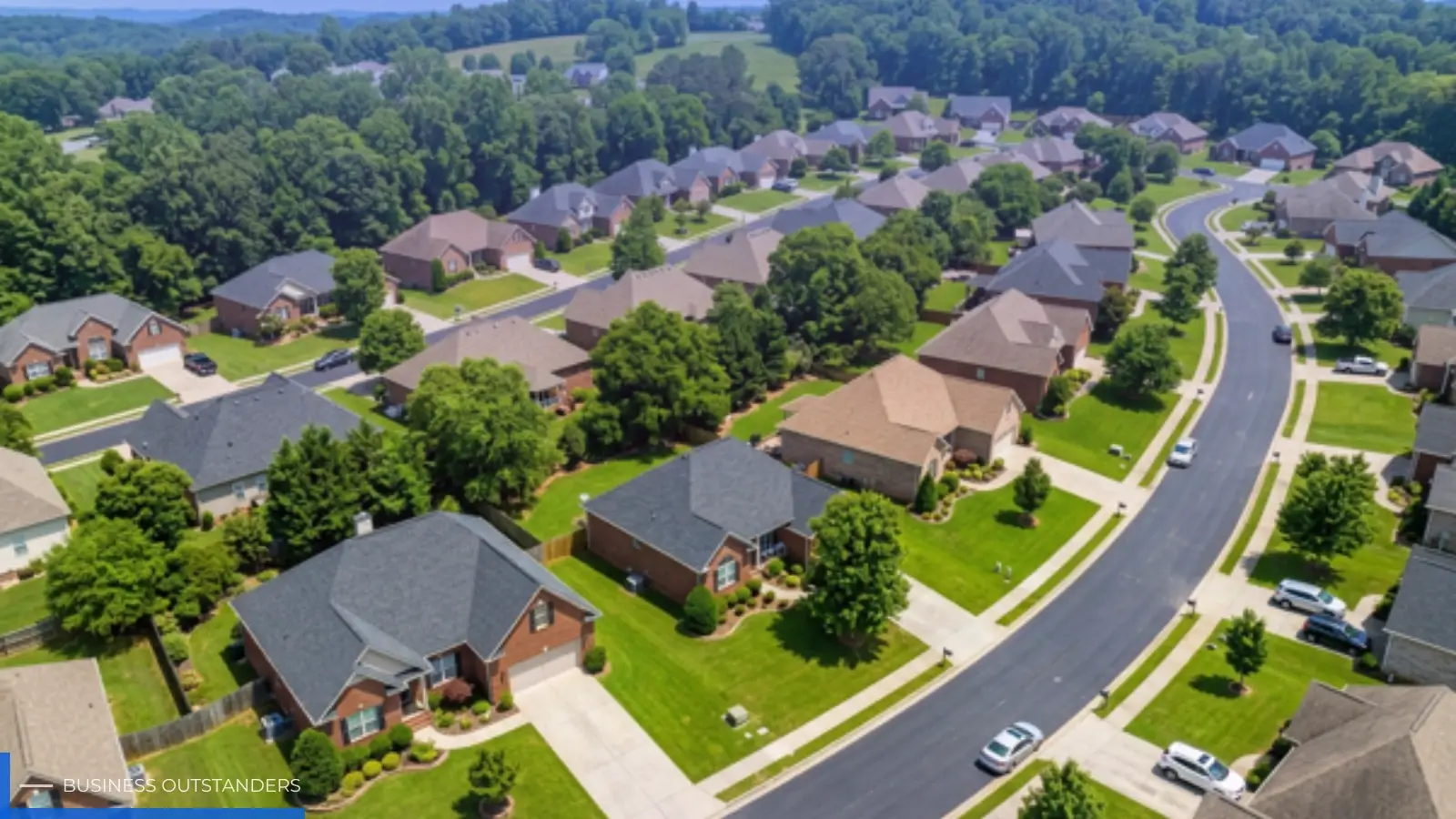
Residential projects include single-family homes, apartments, condominiums, and gated communities. These projects focus on creating livable spaces that meet the needs and preferences of homeowners. Developers analyze market trends, demographic data, and lifestyle preferences to create appealing residential communities.
2. Commercial Development
Commercial real estate projects involve office buildings, retail spaces, hotels, and industrial facilities. Developers focus on maximizing space utilization, functionality, and return on investment. These projects often require detailed analysis of market demand, business needs, and accessibility.
3. Mixed-Use Development
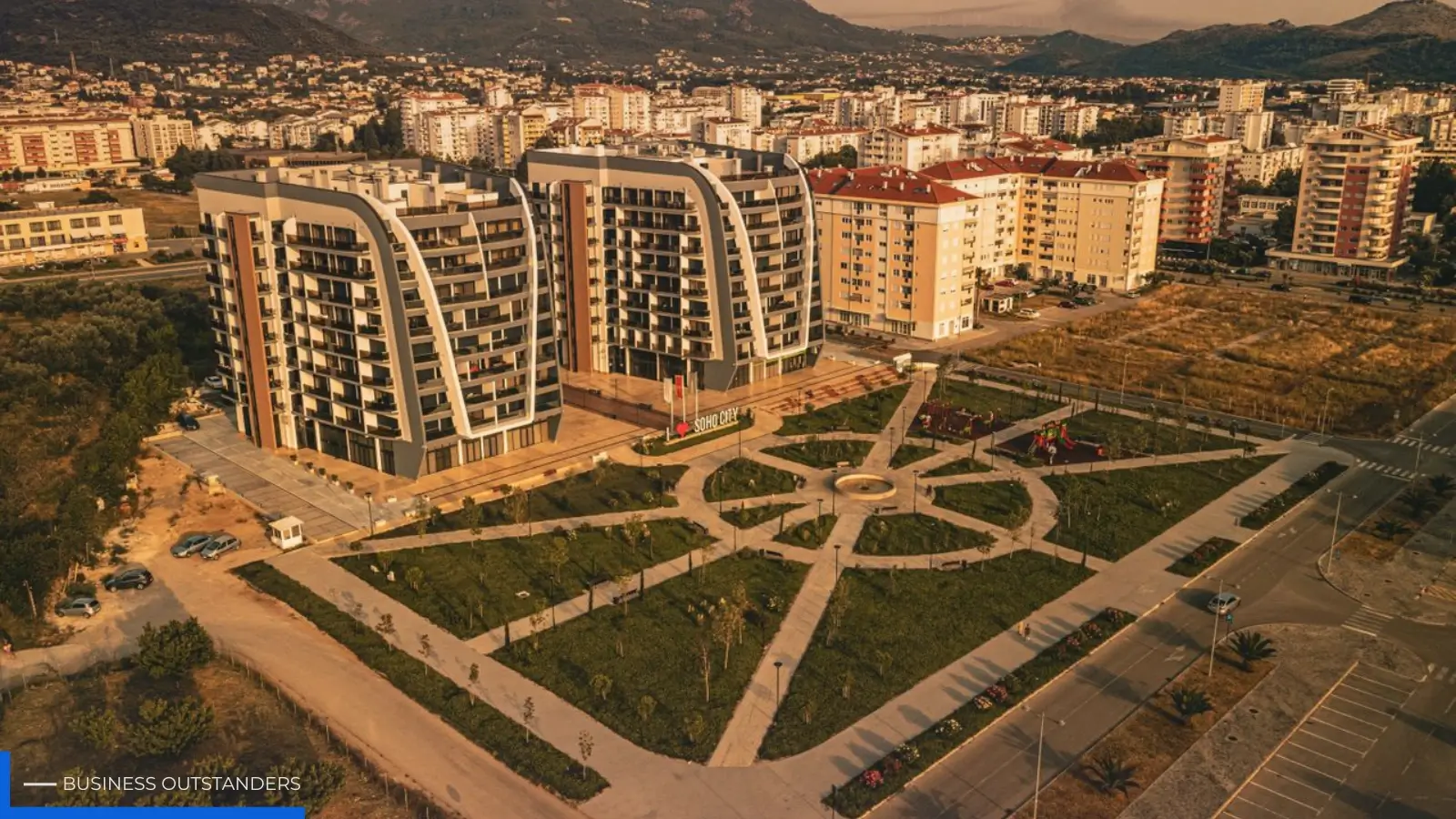
Mixed-use projects combine residential, commercial, and recreational spaces within a single development. These projects promote vibrant, walkable communities and maximize land use efficiency. Developers coordinate multiple design and construction elements to create cohesive, multi-functional spaces.
4. Urban Renewal and Redevelopment
Urban redevelopment projects focus on revitalizing underutilized or deteriorated areas. Developers may renovate existing structures, repurpose land, or implement large-scale infrastructure improvements. These projects contribute to economic growth, improved community aesthetics, and increased property value.
Skills Required for a Real Estate Developer
Real estate development requires a diverse set of skills. Strong financial acumen is essential for budgeting, securing funding, and maximizing profitability. Project management skills ensure smooth coordination of construction, labor, and timelines.
Analytical skills help developers evaluate market trends, assess risks, and identify opportunities. Negotiation skills are critical when acquiring land, securing contracts, and managing stakeholders. Creativity and vision allow developers to conceptualize projects that meet market demand while enhancing urban landscapes.
Challenges Faced by Real Estate Developers
Real estate development involves significant risks and challenges. Regulatory compliance is often complex, with zoning laws, environmental regulations, and building codes affecting project feasibility. Navigating permits and approvals can be time-consuming and costly.
Market fluctuations also pose a challenge. Changes in demand, interest rates, or economic conditions can impact project profitability. Developers must anticipate market trends and adapt strategies accordingly.
Construction challenges, such as delays, labor shortages, or unforeseen site issues, require developers to make quick decisions and maintain project timelines. Financial risks are inherent, as large capital investments are involved, and unexpected expenses can arise during development.
The Impact of Real Estate Developers on Communities
Real estate developers significantly influence the communities in which they operate. Thoughtful developments create functional, attractive, and sustainable spaces that improve quality of life. Residential projects provide safe and comfortable housing, while commercial developments contribute to economic growth and job creation.
Mixed-use developments enhance community connectivity, walkability, and accessibility to amenities. Urban redevelopment projects revitalize neighborhoods, increase property values, and promote social and economic growth.
Developers also play a role in sustainability by incorporating energy-efficient systems, green building materials, and environmentally friendly design principles. This contributes to long-term environmental stewardship and reduces the ecological impact of construction.
The Future of Real Estate Development
The real estate development industry is evolving rapidly, driven by technology, sustainability, and changing market preferences. Smart buildings equipped with automated systems for energy, security, and climate control are becoming increasingly popular.
Sustainable and eco-friendly development practices are gaining traction, with developers focusing on renewable energy, water conservation, and waste reduction. Urban densification and mixed-use communities are becoming more common as cities seek to optimize land use and create vibrant, livable environments.
Technology also plays a significant role in project management, marketing, and design. Virtual reality, 3D modeling, and data analytics allow developers to plan projects more accurately, showcase designs to clients, and make informed decisions.
Conclusion
Real estate development is a cornerstone of modern construction and urban planning. By combining financial expertise, project management skills, creativity, and strategic planning, developers transform land into vibrant, functional, and profitable communities. They play a pivotal role in shaping residential neighborhoods, commercial centers, and mixed-use developments that enhance both quality of life and economic growth.
From land acquisition and planning to construction oversight and marketing, real estate developers manage the entire lifecycle of development projects. Their work involves navigating challenges, mitigating risks, and delivering high-quality results that meet market demand and community needs.Investing in experienced and skilled real estate developers ensures that projects are completed efficiently, sustainably, and successfully. Their vision and expertise help build more than structures; they build thriving, resilient communities for the future.Investing in experienced and skilled real estate developers ensures that projects are completed efficiently, sustainably, and successfully. Their vision and expertise help build more than structures; they build thriving, resilient communities for the future.
Business Outstanders brings you sharp insights on tech, business, entrepreneurship, law, crypto, and more. We uncover what’s next. Stay updated, sign up for our newsletter and be part of the future!