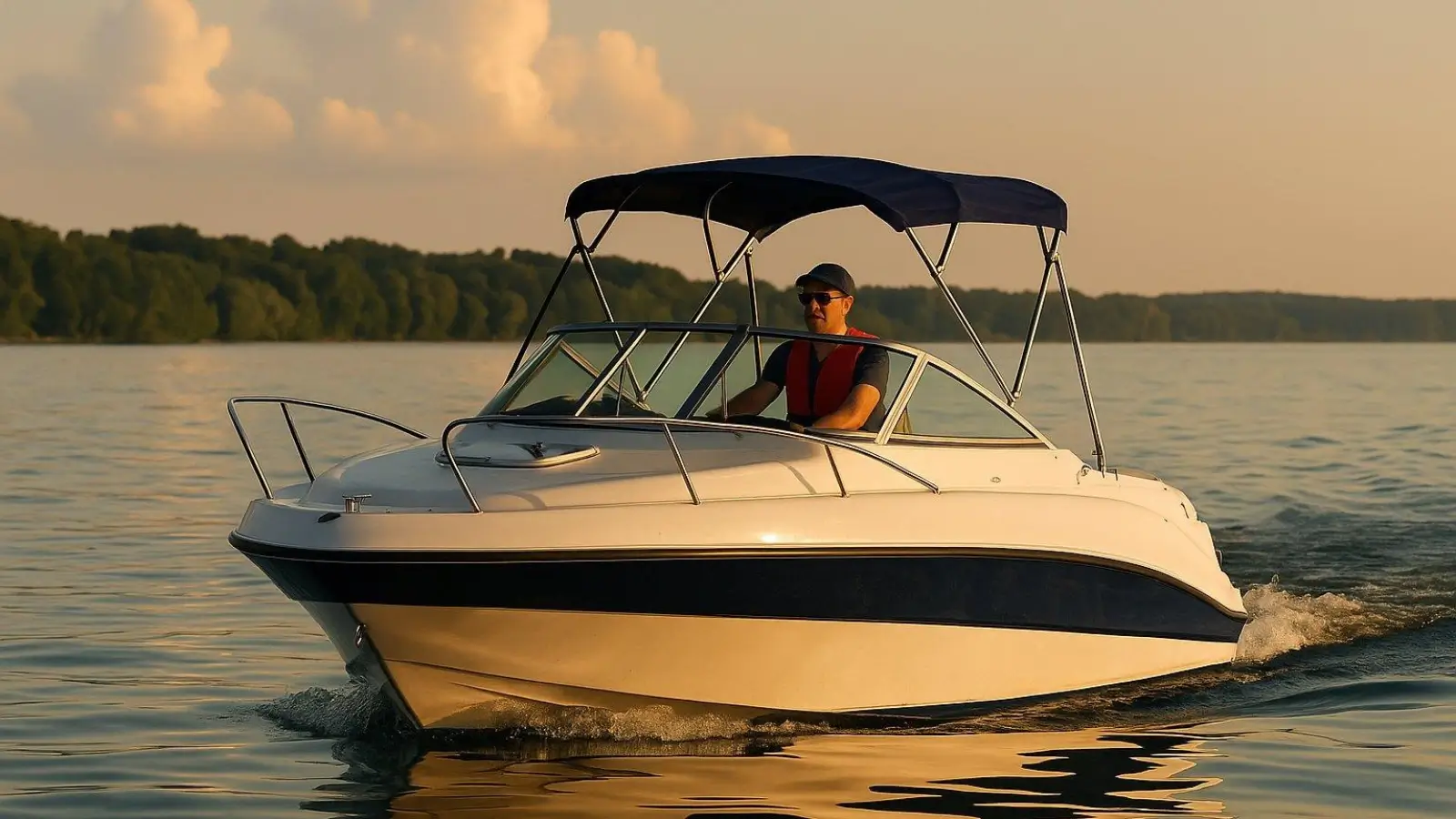
What are the essential safety tips for boat owners? Safety is paramount when it comes to boating. You need to equip your vessel with proper gear, conduct thorough pre-departure checks, and follow safe practices while on the water. These measures can significantly reduce risks and ensure an enjoyable experience for everyone on board.
Boating can be thrilling, but it comes with its share of challenges. This guide aims to provide you with crucial safety information to help you navigate potential hazards and stay prepared for emergencies.
Here's what we'll cover:
✔️ Pre-departure preparations
✔️ Essential safety gear for your boat
✔️ Safe boating practices
Let's explore these critical aspects of boat safety to help you become a more responsible and confident boat owner.
Pre-Departure Preparations
Conducting A Full Safety Check
Before you set sail, it's crucial to perform a thorough safety check of your boat. Start by examining the hull for any damage or wear. Next, inspect all safety gear, including life jackets, whistles, horns, and emergency locator beacons. Make sure these items are in good condition and easily accessible.
Don't forget to test your communication devices, such as radios and satellite phones. Verify that your navigation equipment is functioning correctly and that you have up-to-date charts on board. Check your fuel levels and ensure your engine is in proper working order.
It is important to establish a relationship with a trusted service provider for marine repair in Seattle or your area to perform regular maintenance. This proactive approach to maintenance is one of the most effective safety strategies, turning potential crises at sea into simple fixes at the dock.
Regular safety checks help prevent accidents and give you peace of mind while on the water. Don’t forget to use a reliable boat trailer lock to secure your vessel when it’s not in use. By making this a routine part of your pre-departure process, you'll be better prepared for any situation that may arise during your trip.
Filing A Float Plan
A float plan is a document that outlines the details of your boating trip. It's an essential safety measure that can help rescuers locate you in case of an emergency. Your float plan should include:
-
Names and contact information of all passengers
-
Boat description and registration number
-
Trip itinerary, including departure and return times
-
Planned stops along the route
-
Emergency contact information
Share your float plan with a trusted friend, family member, or marina staff. Let them know when to expect your return and what to do if you don't check in at the specified time. This information can be invaluable if search and rescue operations become necessary.
Understanding Weather Conditions
Staying informed about weather conditions is vital for a safe boating experience. Before you leave, check the forecast for your entire trip duration. Pay attention to wind speed, wave height, and potential storms.
Learn to interpret weather reports and understand how different conditions can affect your boat. For example, strong winds can create choppy waters, while sudden temperature drops might indicate an approaching storm.
During your trip, keep an eye on the sky and monitor weather updates regularly. If conditions start to deteriorate, be prepared to change your plans or seek shelter. Remember, it's always better to err on the side of caution when it comes to weather and boating safety.
Reviewing Nautical Rules
Familiarizing yourself with nautical rules is essential for safe and responsible boating. These rules, often called the "rules of the road," govern how boats should interact with each other on the water.
Key points to remember include:
-
Right-of-way rules for different types of vessels
-
Proper use of navigation lights
-
Speed limits in various areas
-
Correct interpretation of buoys and markers
Understanding these rules helps prevent collisions and ensures smooth navigation in busy waterways. Take time to review them before each trip, especially if you're boating in a new area.
By following these nautical rules, you not only keep yourself and your passengers safe but also contribute to a safer boating environment for everyone on the water.
Essential Safety Gear
The Role of Life Jackets
Life jackets play a crucial role in keeping you safe while boating. They're designed to keep your head above water, even if you're unconscious. Different types of life jackets suit various activities and conditions. For example, Type I jackets offer the most buoyancy and are ideal for offshore use, while Type III jackets provide comfort and flexibility for water sports.
Choosing the right life jacket depends on your planned activities and the water conditions you'll encounter. Always check the weight capacity and size to ensure a proper fit. Remember, a life jacket only works if you wear it!
Statistics show that wearing a life jacket can significantly increase your chances of survival in a boating accident.
Emergency Signaling Devices
Emergency signaling devices are essential tools for alerting rescuers to your location in case of trouble on the water. Flares, whistles, and electronic beacons each serve a unique purpose in different emergency situations.
Flares are visual distress signals that can be seen from great distances, making them effective for nighttime emergencies or when visibility is poor. Whistles produce loud, attention-grabbing sounds that carry over long distances, useful for alerting nearby boats or shore-based rescuers.
Electronic beacons, such as Emergency Position Indicating Radio Beacons (EPIRBs), transmit your location to search and rescue services via satellite. These devices are particularly valuable in remote areas or during severe weather conditions.
To ensure your emergency signaling devices work when you need them most, regularly check their expiration dates and test them according to the manufacturer's instructions. Store them in easily accessible locations on your boat, and make sure all passengers know where to find them.
Fire Extinguishers and Boat Lights
Fire extinguishers are critical safety equipment on any boat. The U.S. Coast Guard requires most boats to carry at least one B-1 type fire extinguisher, which is suitable for flammable liquids like gasoline and oil. Larger vessels may need multiple extinguishers of varying sizes.
Keep your fire extinguishers easily accessible and teach all passengers how to use them. Regularly inspect the pressure gauge and check for any signs of damage or corrosion. Replace expired extinguishers promptly to ensure they'll work effectively in an emergency.
Boat lights are equally important for safety, especially during low-visibility conditions or at night. Navigation lights help other boaters determine your vessel's size, direction, and whether it's moving or anchored. These include red and green sidelights, a white stern light, and a white masthead light for larger boats.
Anchor lights are required when your boat is not underway between sunset and sunrise. They should be visible from all directions. Regularly test all your boat lights and carry spare bulbs on board. Clean the lenses to maintain maximum visibility, and replace any damaged fixtures promptly.
Carbon Monoxide Prevention
Carbon monoxide (CO) is an odorless, colorless gas that can be deadly in enclosed spaces on boats. Common sources include engine and generator exhaust, as well as fuel-burning appliances like stoves or heaters.
To prevent CO buildup, ensure proper ventilation throughout your boat, especially in enclosed areas. Open hatches and windows to allow fresh air circulation. Never block exhaust outlets, and avoid idling your engine for extended periods when anchored or docked.
Regular maintenance of engines, exhaust systems, and fuel-burning appliances is crucial for preventing CO leaks. Install carbon monoxide detectors in sleeping areas and check them regularly to ensure they're working properly.
Be aware of the symptoms of CO poisoning, which can include headache, dizziness, weakness, nausea, and confusion. If you suspect CO exposure, move to fresh air immediately and seek medical attention.
By following these safety measures and maintaining your equipment, you'll significantly reduce the risk of carbon monoxide-related incidents on your boat.
Safe Boating Practices
Speed And 360-Degree Awareness
Keeping a watchful eye on your surroundings is crucial for safe boating. You need to constantly scan the water for potential hazards, other vessels, and obstacles. This 360-degree awareness helps you avoid accidents and react quickly to changing conditions.
Maintaining a safe speed is equally important. Adjust your boat's speed based on factors like weather, visibility, and traffic density. Remember, what's considered safe in one situation might be dangerous in another. Always use common sense when deciding how fast to go.
A great practice is to have a passenger act as a lookout. They can help you spot things you might miss, especially in busy areas or during challenging weather conditions. This extra set of eyes can make a big difference in keeping everyone safe on board.
Staying Sober While Boating
Operating a boat under the influence of alcohol or drugs is extremely dangerous. It impairs your judgment, slows your reaction time, and increases the risk of accidents. Plus, it's illegal and can result in severe penalties, including fines and jail time.
To ensure everyone's safety, always designate a sober driver for your boat. This person should abstain from alcohol completely while in charge of the vessel. By promoting a culture of sobriety on the water, you're not only following the law but also setting a positive example for others.
Importance Of Boating Safety Courses
Taking a boating safety course can significantly boost your knowledge and confidence on the water. These courses cover essential topics like navigation rules, emergency procedures, and local boating laws. Many states require boat operators to complete such a course, so it's worth checking your local regulations.
You can find boating education courses through local marine patrol offices, online providers, or community organizations. Participants often report feeling more prepared and confident after completing these courses. Investing time in proper education is a smart move for any boater, regardless of experience level.
Designating An Assistant Skipper
Choosing an assistant skipper is a smart precaution for any boating trip. This person should be familiar with all aspects of your boat's operation and be ready to take control if needed. When selecting an assistant, look for someone who's responsible, level-headed, and has some boating experience.
To prepare your assistant skipper, spend time teaching them about your boat's specific features and controls. Practice emergency procedures together and ensure they know how to use all safety equipment. Clear communication between you and your assistant is key to handling any situation that might arise on the water.
Business Outstanders brings you sharp insights on tech, business, entrepreneurship, law, crypto, and more. We uncover what’s next. Stay updated, sign up for our newsletter and be part of the future!