Bodies change. They change with age, with health, with training, with stress, with time. And when yours does, your wardrobe suddenly stops cooperating in a way that feels weirdly personal. The medium pulls, the large swims, and you're stuck between two sizes that both feel wrong. Most advice here is either useless or condescending, so let's skip that. There are genuine techniques for dressing well through this, and pieces that forgive a lot. A relaxed cole buxton cut handles fluctuation far better than something structured. Here's how to work with it rather than waiting it out.
Why "Between Sizes" Is So Common
Being between sizes isn't a personal flaw, it's a structural feature of how clothing gets made. Manufacturers produce a limited number of sizes, and the gaps between them are large. A jump from medium to large might add two inches across the chest and an inch of length simultaneously, which means anyone whose measurements land in that gap has no correct option. That's not unusual, that's most people. Size grading assumes bodies scale proportionally too, so a large is essentially a medium enlarged in every dimension at once. Real bodies don't work that way, and someone who needs more room through the chest may not need longer sleeves. Then there's the fact that measurements shift, since weight, muscle, water retention, and time of day all change your dimensions. So chasing a perfect fit is chasing a moving target, which is exhausting and mostly futile. My honest opinion? The most useful reframe here is to stop trying to find clothes that fit your exact current measurements and start choosing clothes designed to work across a range. That's a completely different shopping strategy, and it's far less frustrating. Some garment types genuinely accommodate variation by design, while others require precision. Learning which is which is the entire skill, and it makes the whole problem much smaller.
The Pieces That Forgive Fit Changes
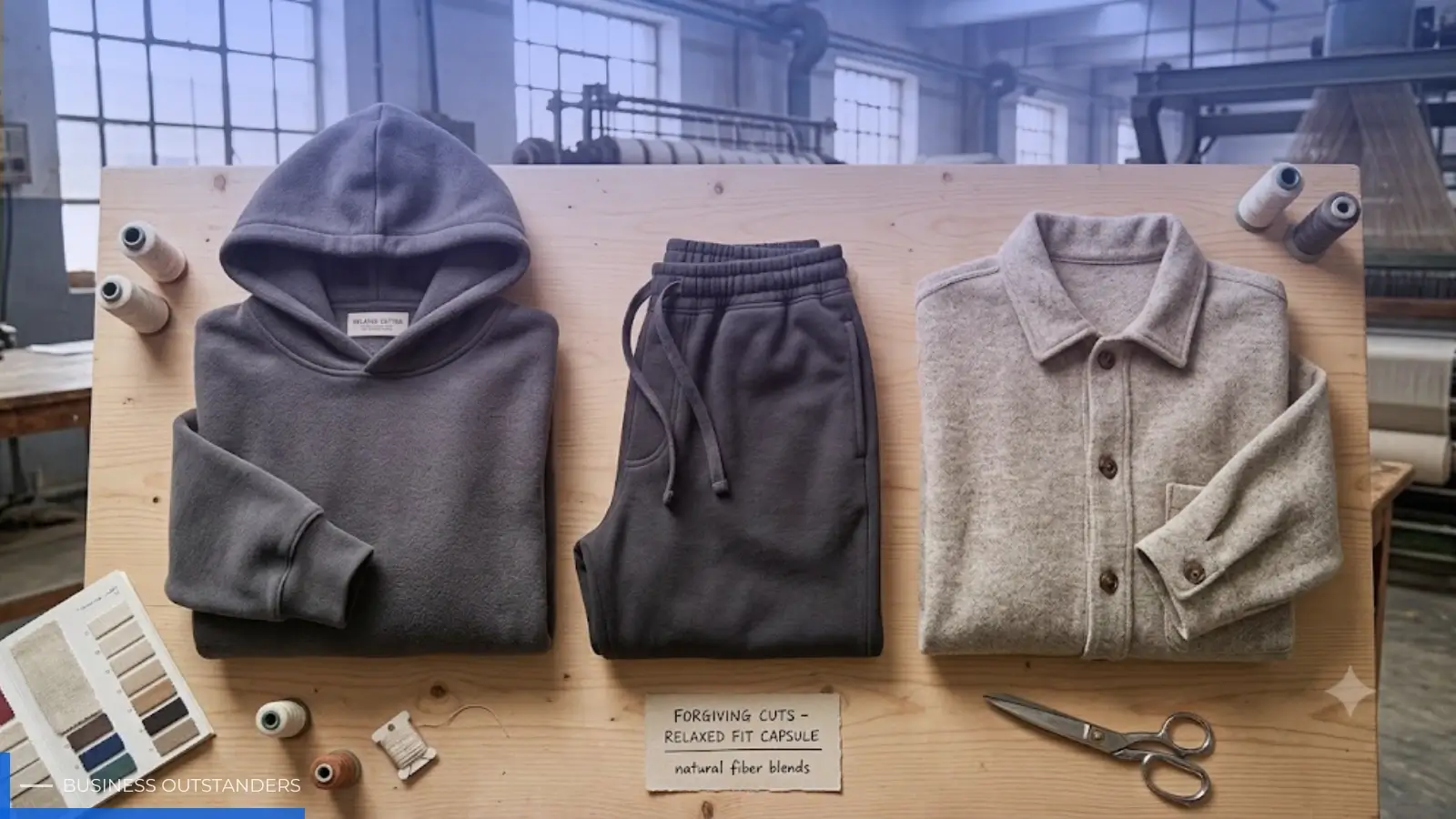
Certain cuts accommodate a range of bodies and a range of days, and building around them removes most of the stress. Relaxed and oversized tops are the obvious starting point, since they're designed with room built in, meaning a few centimetres either way changes nothing about how they read. Drawstring waists deserve serious credit here too, because they adjust to you rather than the reverse, and a proper drawstring gives you real range without looking like a compromise. Knits generally forgive more than wovens, since knitted fabric stretches and recovers while a woven shirt has fixed dimensions and either fits or doesn't. That's why a knit sweater works across more days than a button-down. Layering pieces are forgiving by nature as well, since an open overshirt or jacket doesn't need to close over anything, so it works regardless of what's happening underneath. Stretch content helps in bottoms specifically, where a small percentage of elastane gives you meaningful range without the piece looking like activewear. What doesn't forgive: tailored jackets, fitted shirts, structured waistbands with no give, and anything cut close to the body. Those need precision and punish variation, which is exactly why they cause the most frustration when your measurements are moving.
Shopping When Your Size Is Uncertain
A different approach to buying makes this much easier. Work through this order:
- Measure yourself now rather than relying on the size you used to wear, since old numbers cause bad purchases
- Prioritise adjustable and relaxed pieces, choosing drawstrings and knits over fixed waistbands and wovens
- Buy fewer pieces at higher quality, since a small wardrobe that fits beats a large one that doesn't
- Choose the size that fits your largest measurement, then have it altered if something else needs taking in
- Check return policies carefully, because you'll get some wrong and that's simply part of the process
Step four is the one that saves people the most grief. You can always take a garment in, and a tailor charges surprisingly little for a simple adjustment, but you cannot add fabric that isn't there. So when torn between sizes, go up. Step three matters too, since the instinct during a body change is to buy cheaply because "it's temporary," and that produces a wardrobe of poorly-fitting cheap clothes that make you feel worse. A handful of well-made pieces that actually fit today will serve you better than a drawer full of hopeful purchases.
Alterations Are Cheaper Than You Think
Most people never consider a tailor, and it's the single most underused tool available for this problem. A simple alteration typically costs a fraction of a new garment, and it converts something that almost fits into something that fits properly. Taking in a side seam, shortening sleeves, hemming trousers, and adjusting a waistband are all routine jobs that take a tailor minutes. That means you can confidently buy the larger size knowing it can be brought in. Elastic waistbands can often be adjusted too, and shortening trouser length is so common that many shops offer it free at purchase. What can't easily be done is letting a garment out beyond its seam allowance, which brings us back to sizing up. Here's the hands-on detail worth knowing: before buying anything with alteration in mind, turn it inside out and check the seam allowance, since a generous allowance means there's fabric to work with in both directions while a trimmed one limits what any tailor can do. That thirty-second check tells you whether the piece is adjustable at all. One honest limitation: alterations work well on side seams and lengths, but changing a garment's fundamental shape, like reshaping shoulders, is expensive enough that it's rarely worth doing on casual clothing.
Building a Wardrobe That Handles Change
Certain choices keep a wardrobe functional across a range of sizes:
- Relaxed tops in heavyweight fabric, which drape rather than cling and hide fluctuation naturally
- Drawstring or elasticated bottoms with real adjustment range, not token cords that don't actually work
- Open layering pieces like overshirts and unstructured jackets, which never need to close over anything
- Knitwear rather than woven shirts, since stretch and recovery accommodate variation gracefully
- A small number of adjustable accessories, like belts, that visibly adapt rather than looking strained
Fabric weight deserves emphasis on that first point. Heavy fabric hangs away from the body and creates its own shape, while thin fabric clings and follows every contour, which is why a lightweight top feels less forgiving even at the same size. So density genuinely helps here beyond just durability. A dense hellstar piece drapes rather than clinging, and that's a practical benefit rather than only an aesthetic one. Layering deserves credit too, since an open jacket over anything creates vertical lines and structure without requiring a single measurement to be correct. My preference during any period of change is leaning almost entirely on knits and layers, because between them they cover nearly every situation without demanding precision.
Being Reasonable With Yourself
The practical advice only goes so far without addressing the frustration, which is real and worth naming. Bodies change for countless reasons and most of them aren't choices, so treating a size shift as a failure is both inaccurate and unhelpful. The clothes are the thing that should adapt, not you. Holding onto a wardrobe that doesn't fit as motivation rarely works either, and mostly it just means opening a cupboard full of reminders every morning. Box those pieces and put them elsewhere rather than looking at them daily. If your size is genuinely still moving, buy for now in a small quantity rather than buying for a projected future, since dressing badly in the meantime helps nothing. A few pieces that fit today are worth more than a wardrobe waiting for a version of you that may or may not arrive. Also, ignore the size number on the label entirely, honestly. It varies wildly between brands anyway, and cutting the tag out is a genuinely reasonable thing to do if the number bothers you. What matters is whether the garment fits and whether you like wearing it. Nobody else sees the label, and the piece that fits well always looks better than the piece with the number you wanted.
Final Words
Being between sizes is a design problem, not a personal one, and the fix is choosing garments built to work across a range. Lean on relaxed cuts, knits, drawstrings, and open layers, since all of them accommodate variation by design. Measure yourself now rather than trusting old numbers, size up when torn, and use a tailor, because taking in costs little while adding fabric is impossible. Buy fewer pieces at better quality rather than cheap placeholders. Box anything that doesn't fit rather than staring at it daily. Dress for the body you have today and the whole problem gets considerably smaller.
FAQ BLOCK
Q: Should I size up or down when I'm between sizes?
A: Up, almost always. A tailor can take a garment in cheaply, but nobody can add fabric that isn't there. Check the seam allowance first, since a generous one means there's material to work with.
Q: Which clothes forgive fit changes best?
A: Relaxed tops in heavyweight fabric, knits, drawstring bottoms, and open layering pieces like overshirts. Tailored jackets, fitted shirts, and structured waistbands need precision and punish any variation.
Q: Are alterations worth the cost?
A: Usually yes. Taking in a side seam or hemming trousers costs a fraction of a new garment and converts an almost-fit into a proper one. Reshaping shoulders is the exception, being rarely worth it.
Q: Should I keep clothes that no longer fit?
A: If you want to, box them and store them elsewhere rather than in your daily wardrobe. Looking at them every morning helps nothing, and a cupboard of things that fit makes dressing much easier.
Q: Why does heavyweight fabric fit better?
A: It hangs away from the body and creates its own shape, while thin fabric clings and follows every contour. That drape makes a heavier piece feel more forgiving even at the same measurements.
Business Outstanders brings you sharp insights on tech, business, entrepreneurship, law, crypto, and more. We uncover what’s next. Stay updated, sign up for our newsletter and be part of the future!