Slip-and-fall accidents may look like something minor at first, but it can lead to severe injuries and unexpected disruptions of your daily life. With proper forethought and knowledge of potential sources of slip and falls incidents (such as public spaces, workplaces or home environments), such incidents are usually preventable. Knowing about potential sources is the biggest component in creating safer environments.
Slippery Surfaces: The Usual Suspects
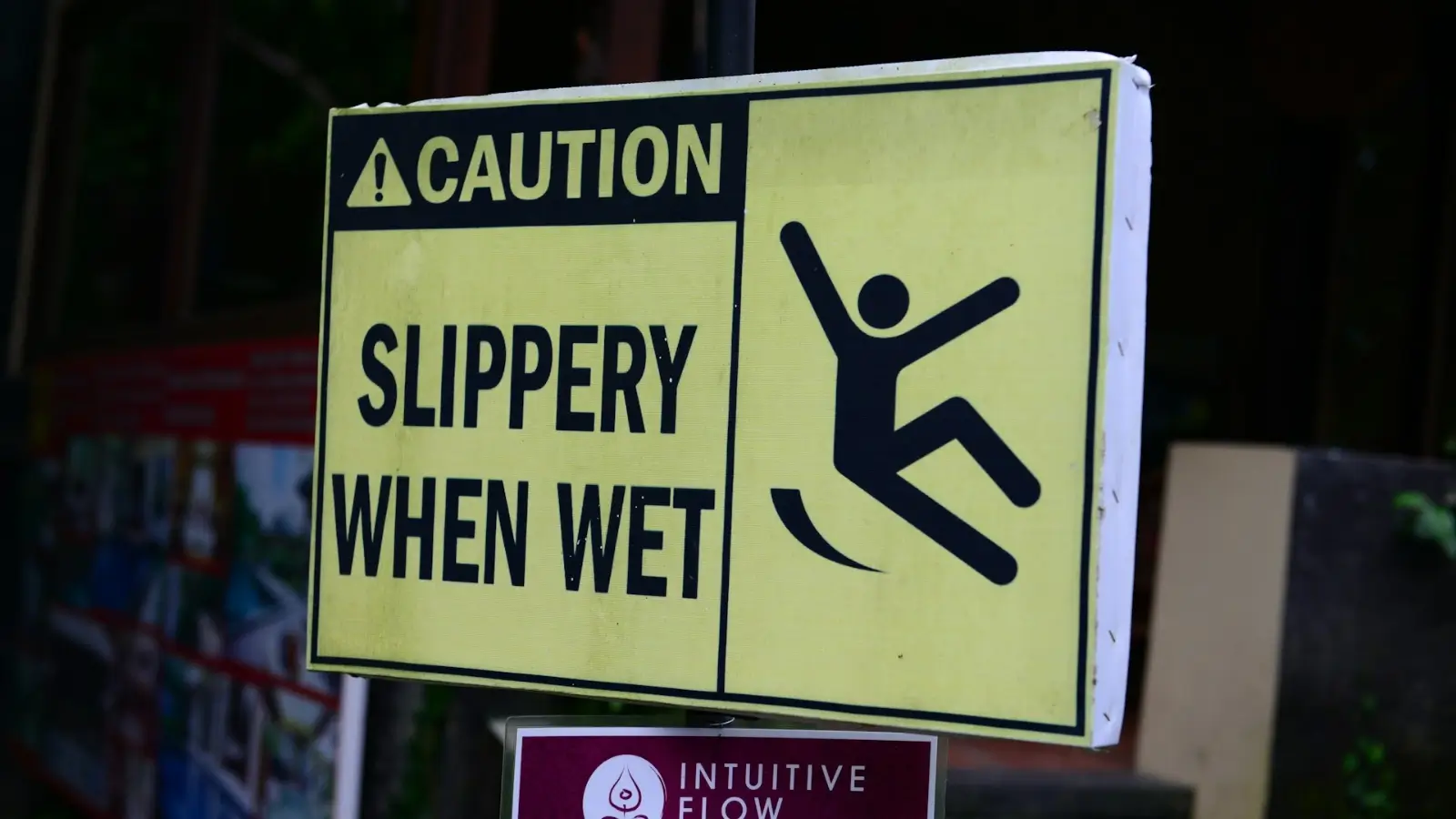
Slippery surfaces can be found everywhere from grocery store floors to icy sidewalks in winter, which are among the leading causes of slip-and-fall accidents. Spills, leaks and weather conditions all contribute to unsafe walking conditions that often catch people off guard. Businesses have an obligation to place proper signage when floors become wet while people walking on snow or ice-covered pathways can reduce the risks by wearing proper footwear and treading carefully.
Clutter in Pathways: Tripping Hazards Everywhere
Pathway obstructions such as electrical cords, misplaced tools or personal belongings left lying around can pose trip hazards in high traffic areas like construction sites or offices with overcrowded hallways. Maintaining clear pathways will create professional appearances as well as safer working conditions for your clients and employees.
Uneven Surfaces: Hazardous Ground Beneath Your Feet
Cracked sidewalks, loose floor tiles and uneven carpeting all contribute to dangerous trips and falls. These are often overlooked until a minor stumble becomes an extensive injury. Regular inspections and quick repairs will make sure that residential and commercial spaces remain safe and walkable environments.
Stairs and Ladders: Missteps at New Heights
Improper use of stairs or ladders can also result in slips and falls, often leading to more severe injuries due to their increased height. Loose handrails, uneven steps or inattentive climbing all play a part. Care must be taken while using them. Using handrails and making sure ladders stand on solid footing are important safeguards against accidents on stairs and ladders.
Preventing Slip and Fall Accidents with Proactive Steps
While slip-and-fall accidents may be all too familiar, they don't need to be inevitable. Implementing proactive measures like keeping spaces tidy and organized, using appropriate signage, repairing uneven surfaces as necessary, and wearing appropriate footwear can lower the risks of slip and falls a lot. Small investments in safety can reap great returns in terms of injury prevention.
Responding to Slip and Fall
After being involved in a slip and fall incident, it is very important that you assess the situation and take appropriate measures to protect your rights. If injuries were sustained due to negligence on another's part, knowing when should you hire a personal injury lawyer could make all the difference when looking for compensation from those at fault. Hiring legal advice immediately following such incidents is especially important if medical expenses, lost wages or long-term effects resulted due to an incident. These professionals will help identify liability, collect evidence and negotiate fair compensation on your behalf based upon who should pay out.
Conclusion
Slip and fall incidents may be all too frequent, but they don't need to be everyday occurrences. When you are able to recognize common hazards and create effective solutions to reduce accidents, people and organizations can make sure that their environments remain safe for everyone. With some effort and vigilance, slips and falls may become a rare occasion instead of a routine mishap.
Business Outstanders brings you sharp insights on tech, business, entrepreneurship, law, crypto, and more. We uncover what’s next. Stay updated, sign up for our newsletter and be part of the future!