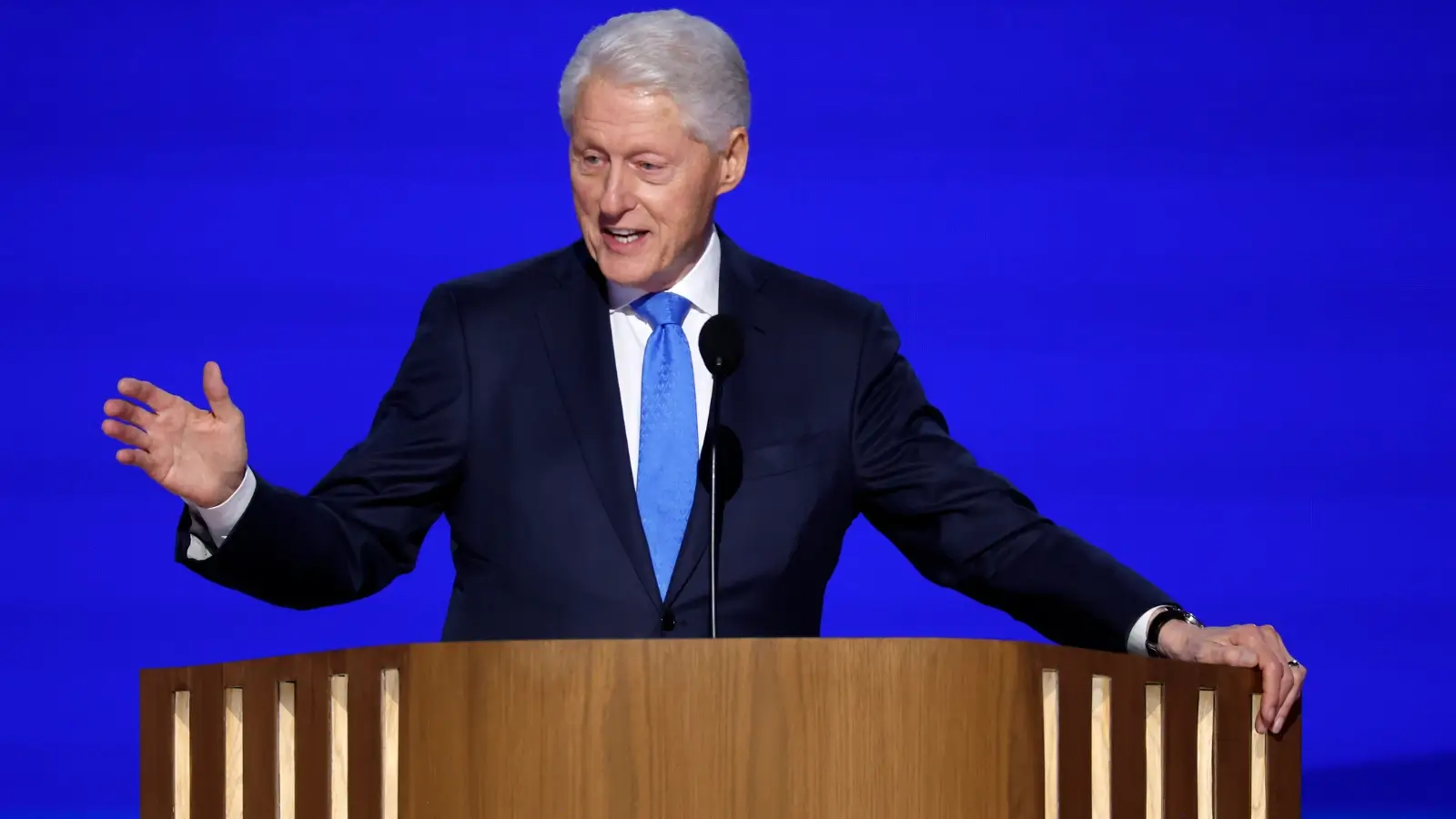
Bill Clinton is one of the most influential political leaders of the late twentieth century, shaping the direction of the United States during a period of economic expansion, rapid technological change, and shifting global dynamics. Serving as the 42nd President of the United States from 1993 to 2001, Clinton’s presidency left a complex and lasting imprint on American politics, domestic policy, and international relations. Known for his charismatic communication style and centrist approach to governance, Clinton helped redefine Democratic leadership in the post–Cold War era.
This article explores Bill Clinton’s early life, rise to the presidency, major achievements, controversies, and enduring legacy.
Early Life and Education
William Jefferson Clinton was born on August 19, 1946, in Hope, Arkansas. Raised primarily by his mother and stepfather, Clinton grew up in modest circumstances that shaped his empathy for working-class Americans. From an early age, he displayed strong academic abilities and leadership qualities.
Clinton attended Georgetown University, where he studied international affairs and developed a deep interest in public service. As a Rhodes Scholar, he later studied at the University of Oxford, further broadening his global perspective. He earned his law degree from Yale Law School, where he met Hillary Rodham, who would later become First Lady, U.S. Senator, Secretary of State, and a major political figure in her own right.
Clinton’s educational background laid the foundation for a career centered on policy-making, diplomacy, and governance.
Entry into Politics and Rise in Arkansas
Clinton began his political career in Arkansas, serving as the state’s Attorney General before becoming Governor at the age of 32, one of the youngest governors in U.S. history. His tenure as governor focused on economic development, education reform, and modernizing state government.
Despite an early electoral defeat, Clinton demonstrated political resilience, returning to office with stronger public support. His ability to connect with voters and address everyday concerns helped establish his reputation as a pragmatic and results-oriented leader.
By the early 1990s, Clinton had emerged as a national figure within the Democratic Party, positioning himself as a “New Democrat” who sought to bridge traditional liberal values with fiscal responsibility and pro-growth policies.
The 1992 Presidential Election
In 1992, Clinton ran for president on a platform emphasizing economic revival, middle-class opportunity, and government reform. At the time, the United States was experiencing economic uncertainty, and many Americans were concerned about job security and rising costs of living.
Clinton’s campaign slogan, “It’s the economy, stupid,” captured the central theme of his message. He promised to focus on domestic priorities, invest in education, and create conditions for long-term economic growth.
Clinton defeated incumbent President George H. W. Bush, becoming the first Democratic president elected after twelve years of Republican leadership.
Domestic Achievements as President
During Clinton’s presidency, the U.S. experienced one of the longest periods of economic expansion in its history. Key domestic accomplishments included:
Economic Growth and Fiscal Discipline
Clinton worked with Congress to reduce federal budget deficits and eventually achieve budget surpluses. Policies aimed at balancing fiscal responsibility with targeted investments contributed to strong economic performance, low unemployment, and rising household incomes.
Welfare Reform
In 1996, Clinton signed welfare reform legislation designed to encourage employment while limiting long-term dependency on government assistance. Although controversial, the policy reflected Clinton’s centrist approach to social policy.
Education and Technology
Clinton emphasized education as a cornerstone of national competitiveness. His administration supported programs to improve school standards and expand access to higher education. He also played a role in fostering the early growth of the internet and digital technologies, helping position the U.S. as a global technology leader.
Healthcare and Family Policies
While comprehensive healthcare reform did not pass during his presidency, Clinton supported measures such as the Children’s Health Insurance Program (CHIP), which expanded healthcare coverage for millions of low-income children.
Foreign Policy and Global Leadership
Clinton’s presidency took place in the post, Cold War era, a time of significant geopolitical transition. His foreign policy focused on expanding democracy, strengthening international institutions, and promoting economic globalization.
Clinton supported NATO expansion, played a role in peace efforts in the Balkans, and worked toward diplomatic solutions in the Middle East. He also promoted international trade agreements, including the North American Free Trade Agreement (NAFTA), aiming to increase economic integration and competitiveness.
Clinton’s approach emphasized diplomacy, multilateral cooperation, and engagement with emerging global powers.
Controversies and Impeachment
Despite many accomplishments, Clinton’s presidency was marked by significant controversy. Personal scandals and legal investigations dominated headlines during his second term.
In 1998, Clinton was impeached by the House of Representatives on charges related to perjury and obstruction of justice. He was later acquitted by the Senate and remained in office until the end of his term.
The impeachment process deeply divided the nation but did not erase Clinton’s political achievements or public support, which remained relatively strong throughout much of the ordeal.
Life After the Presidency
After leaving office in 2001, Clinton remained active on the global stage. He established the Clinton Foundation, which focuses on issues such as global health, climate change, economic development, and humanitarian relief.
Clinton has worked on initiatives to combat HIV/AIDS, expand access to medications, and respond to natural disasters. His post-presidential work has helped reshape expectations for the role of former U.S. presidents.
Bill Clinton’s Leadership Style
Clinton is known for his exceptional communication skills, intellectual curiosity, and ability to connect personally with people from diverse backgrounds. His leadership style combines policy depth with political pragmatism, allowing him to navigate complex challenges and build coalitions.
Supporters view him as a skilled problem-solver who delivered economic prosperity and modernized Democratic politics. Critics argue that ethical controversies and policy compromises complicate his legacy.
Both perspectives contribute to an ongoing debate about his place in American history.
Legacy and Historical Significance
Bill Clinton’s presidency represents a transitional period between the Cold War era and the digital age. He presided over economic growth, technological transformation, and increased globalization.
His legacy is defined by a combination of policy achievements, political adaptability, and personal controversy. Nevertheless, Clinton remains one of the most consequential American leaders of the modern era.
Frequently Asked Questions (FAQ)
What years did Bill Clinton serve as president?
He served as President of the United States from 1993 to 2001.
What is Bill Clinton best known for?
He is best known for overseeing strong economic growth, welfare reform, and promoting globalization and technology development.
What is Bill Clinton doing today?
He is involved in humanitarian and development work through the Clinton Foundation.
Conclusion
Bill Clinton’s journey from a small town in Arkansas to the White House reflects the power of ambition, education, and public service. His presidency shaped the economic, political, and technological landscape of modern America, leaving a legacy that continues to influence national and global affairs.
Business Outstanders brings you sharp insights on tech, business, entrepreneurship, law, crypto, and more. We uncover what’s next. Stay updated, sign up for our newsletter and be part of the future!