Your water heater is one of the hardest-working appliances in your home, yet it’s often overlooked until something goes wrong. While unexpected breakdowns can feel unavoidable, many of them stem from small, preventable issues that routine maintenance would have caught early. Regular care not only extends the life of your system, but it also keeps more money in your pocket. Here’s how proactive maintenance today can help you avoid costly water heater repair and long-term expenses tomorrow.
The True Cost of Neglecting Your Water Heater
Most homeowners assume their water heater will work uninterrupted for years, but sediment buildup, worn components, and unnoticed leaks quietly erode performance. When mineral deposits accumulate at the bottom of the tank, your heater must work harder and longer to warm the water. This leads to higher energy consumption and rising utility bills. Ignoring these issues eventually results in breakdowns that demand expensive water heater repair or even complete replacement. By the time most problems surface, the internal damage has already escalated. Routine maintenance helps you spot these early warning signs before they drain your budget.
How Sediment Buildup Raises Your Energy Bills
Sediment accumulation is one of the biggest culprits behind poor water heater efficiency. Hard water minerals like calcium and magnesium settle at the bottom of tank-style heaters. Over time, this layer creates insulation between the burner and the water, forcing the system to use more fuel or electricity to achieve the same results. That extra workload shows up on your energy bill. In severe cases, sediment causes overheating, which can warp the tank or damage internal components. Annual flushing removes this sediment and restores efficiency, keeping your heater running smoothly and reducing your monthly utility costs.
Extending the Lifespan of Your System
Replacing a water heater is a major household expense, and skipping maintenance makes replacement necessary far sooner than you expect. Tank-style systems typically last 8 to 12 years, while tankless models can reach 20 years with proper care. Key maintenance tasks—such as flushing the tank, inspecting the anode rod, testing the pressure relief valve, and checking for leaks—help prevent premature system failure. When you address minor issues early, you avoid the type of wear that leads to corrosion, tank rupture, and irreversible damage. The cost of routine service is minimal compared to purchasing a new unit.
Preventing Unexpected Breakdowns and Emergency Repairs
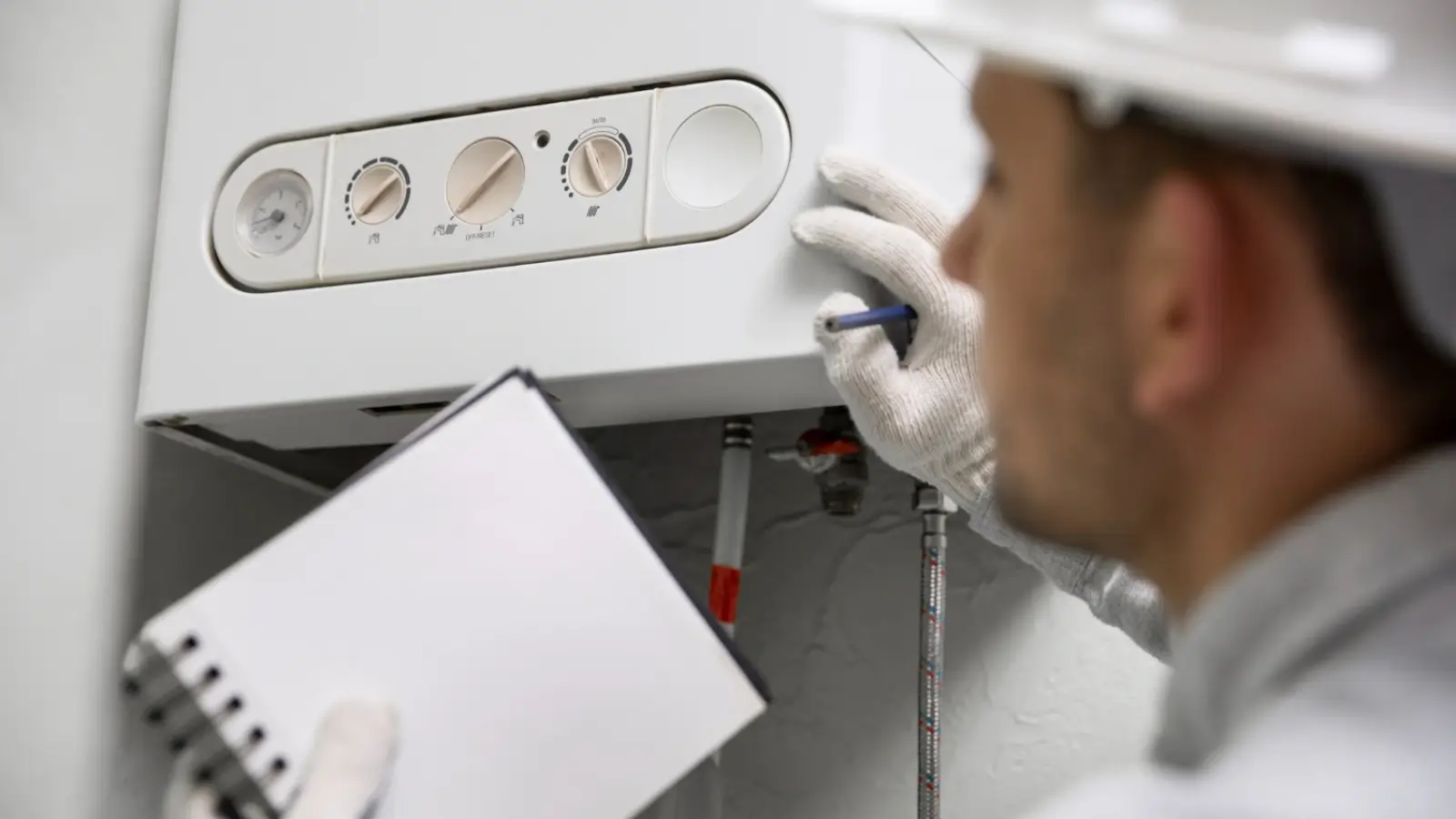
Few household issues are more stressful than losing hot water unexpectedly. Emergency water heater repair often comes with premium service costs, especially after hours or on weekends. The more neglected your system is, the higher the likelihood of sudden failure. Routine inspections catch deteriorating parts before they break completely. Plumbers can replace worn valves, clean burners, tighten connections, and test electrical components during a simple maintenance visit. This proactive approach keeps your system dependable, reducing the risk of surprise expenses and inconvenient disruptions to your home.
Improving Home Safety and Reducing Risk
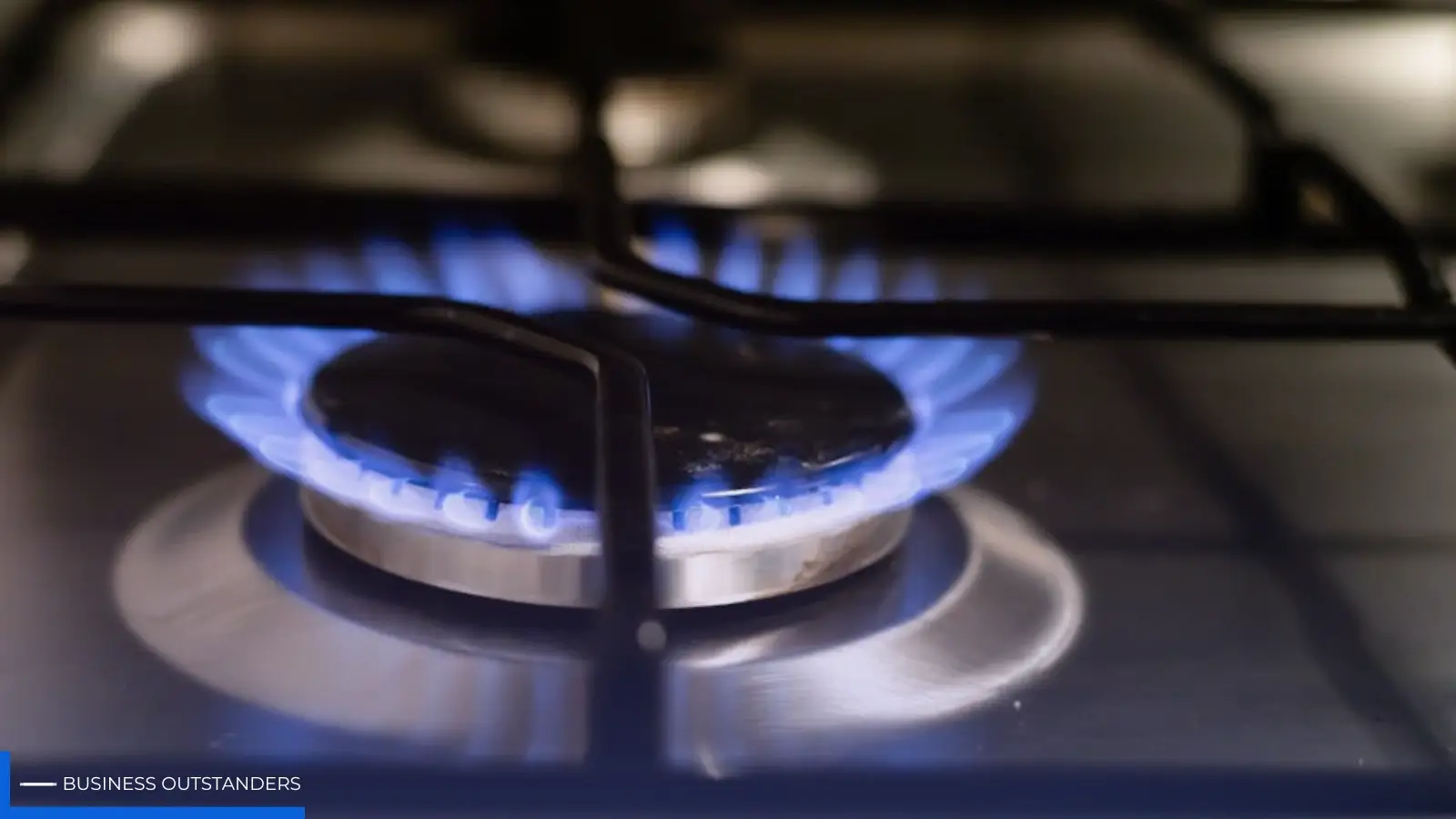
A poorly maintained water heater isn’t just inefficient—it can become dangerous. Excess pressure inside the tank, faulty thermostats, gas leaks, or electrical issues can pose serious safety hazards. Sediment buildup may lead to overheating, which stresses the tank and increases the chance of leaks or burst failures. A failing pressure relief valve can even cause explosions in extreme cases. Regular maintenance ensures all safety mechanisms are functioning properly, giving you peace of mind. It also allows professionals to identify signs of carbon monoxide leaks in gas-powered units, protecting your household from a silent but deadly threat.
Enhancing Water Quality and Home Comfort
When mineral deposits accumulate inside your water heater, they don’t just hinder performance—they also affect your water quality. Sediment can discolor water, create unpleasant odors, and make showering or cleaning less enjoyable. A system struggling to heat water consistently may also cause temperature fluctuations, forcing you to adjust faucets frequently. Routine maintenance clears out contaminants, stabilizes temperature delivery, and ensures your home has a steady supply of clean, hot water. In short, comfort improves when your water heater receives the care it needs.
Why Professional Maintenance Beats DIY Attempts
While some homeowners try to perform basic maintenance themselves, water heaters are complex systems involving gas lines, electrical components, and high-pressure tanks. Incorrect handling can lead to safety risks or voided warranties. Professional technicians have the tools and knowledge to perform thorough inspections and address problems that amateurs often overlook. They can diagnose issues early, recommend necessary water heater repair, and ensure your system meets current safety standards. This expert oversight protects your investment and ensures your water heater operates at peak performance.
Lowering Long-Term Energy Use and Environmental Impact
An efficient water heater uses less fuel or electricity to heat the same amount of water. Regular maintenance keeps your system operating at its highest efficiency, which reduces overall energy consumption. Lower energy use means lower monthly bills, but it also benefits the environment by reducing your household's carbon footprint. For homeowners prioritizing sustainability, maintaining essential appliances like your water heater is an easy and impactful step toward greener living.
Reducing the Need for Costly Water Heater Repair
One of the biggest financial advantages of routine maintenance is the drastic reduction in repair frequency. When components are regularly inspected and serviced, they last longer and fail less often. Instead of paying for emergency water heater repair, you pay a fraction of the cost for preventive service that keeps breakdowns at bay. Technicians can identify early signs of corrosion, valve deterioration, loose electrical connections, and failing thermostats. Fixing these issues in their early stages prevents more significant and expensive repairs down the line.
Boosting Home Value and Attracting Buyers
If you ever plan to sell your home, well-maintained appliances—including your water heater—can make your property more appealing to buyers. A documented maintenance history shows that the system has been properly cared for, lowering the buyer’s concern about imminent repairs or replacement. Many buyers ask about the age and condition of major appliances, and being able to demonstrate regular upkeep can strengthen your negotiating power and add value to your home.
When to Schedule Water Heater Maintenance
Experts recommend having your water heater serviced at least once per year. However, homes with hard water, high usage, or older systems may benefit from more frequent checkups. Signs that your water heater needs attention include fluctuating water temperatures, strange noises like popping or rumbling, rusty water, reduced hot water supply, or visible leaks around the tank. Addressing these symptoms early with professional inspection prevents escalating damage and costly water heater repair.
Maintenance as a Smart Long-Term Investment
Water heater maintenance is one of the simplest and most cost-effective ways to protect both your home and your budget. By preventing sediment buildup, improving efficiency, extending the system’s lifespan, and reducing the risk of emergency repairs, regular maintenance pays for itself many times over. Whether you own a tankless or traditional tank-style system, keeping it in top condition ensures reliable performance and long-term savings. Investing a little time and care today will help you avoid expensive surprises tomorrow, making maintenance a smart financial decision for every homeowner.
Business Outstanders brings you sharp insights on tech, business, entrepreneurship, law, crypto, and more. We uncover what’s next. Stay updated, sign up for our newsletter and be part of the future!