In business, you either control outcomes or clean up after them. And if your garage system still operates like it's stuck in old age, that's not a minor detail—it's a full-blown threat to your workflow. A commercial garage door company in Palm Desert, CA, isn't just about throwing up panels and calling it a day. It's about making sure your systems respond like clockwork, resist failure like they've got something to prove, and hold up under pressure like the rest of your business is counting on it because it is:
1. Speed Isn't a Feature—It's a Baseline
You don't measure performance by how many times your door doesn't break down. That's like applauding a coffee machine for turning on. Your commercial door is either keeping pace with your workflow or throwing sand in the gears. It doesn't just need to open—it needs to open now. Delay at the dock? Your loading team stands idle, trucks stack up, and orders lag. Multiply that by weeks, and now you've got missed targets hiding behind that sluggish door. Let's be clear: slow equals expensive. A system that takes its sweet time is already costing you. And no, you don't need speed for show—you need it because operations don't pause, so your gear can think about moving.
2. Security Isn't a Luxury—It's Non-Negotiable
You can lock up the front, install sensors, and have the best camera angles—but if your garage entry gives up at the first sign of tampering, none of that matters. It's the weak point. It always is. And if your current setup is built with outdated frames or panels that fold under pressure, you're not just vulnerable—you're advertising it. Protection isn't theatrical. It's physical. It's reinforced tracks, steel builds, and motorized locks that don't budge under force. Because when someone sees a soft spot, they don't ask questions—they act. And if your setup folds, the rest doesn't even get a chance to respond.
3. Frequent Repairs Aren't Bad Luck—They're Bad Systems
If you've got your repair guy's number saved under "Favorites," it's time to admit your system's broken in more ways than one. Commercial setups aren't fragile antiques. They're built for repetition, load, and weather extremes. So if your chain keeps jumping, if the rollers keep locking, or if your operator acts like it needs motivation every Monday, you're not maintaining a system. You're babysitting it. Calling a garage door repair company in Palm Springs, CA, every other month doesn't mean you're being cautious. It means something fundamental is off. Either the install was sloppy, the parts are dated, or you're running a setup not built for the volume you're throwing at it.
4. Wrong Fit = Daily Sabotage
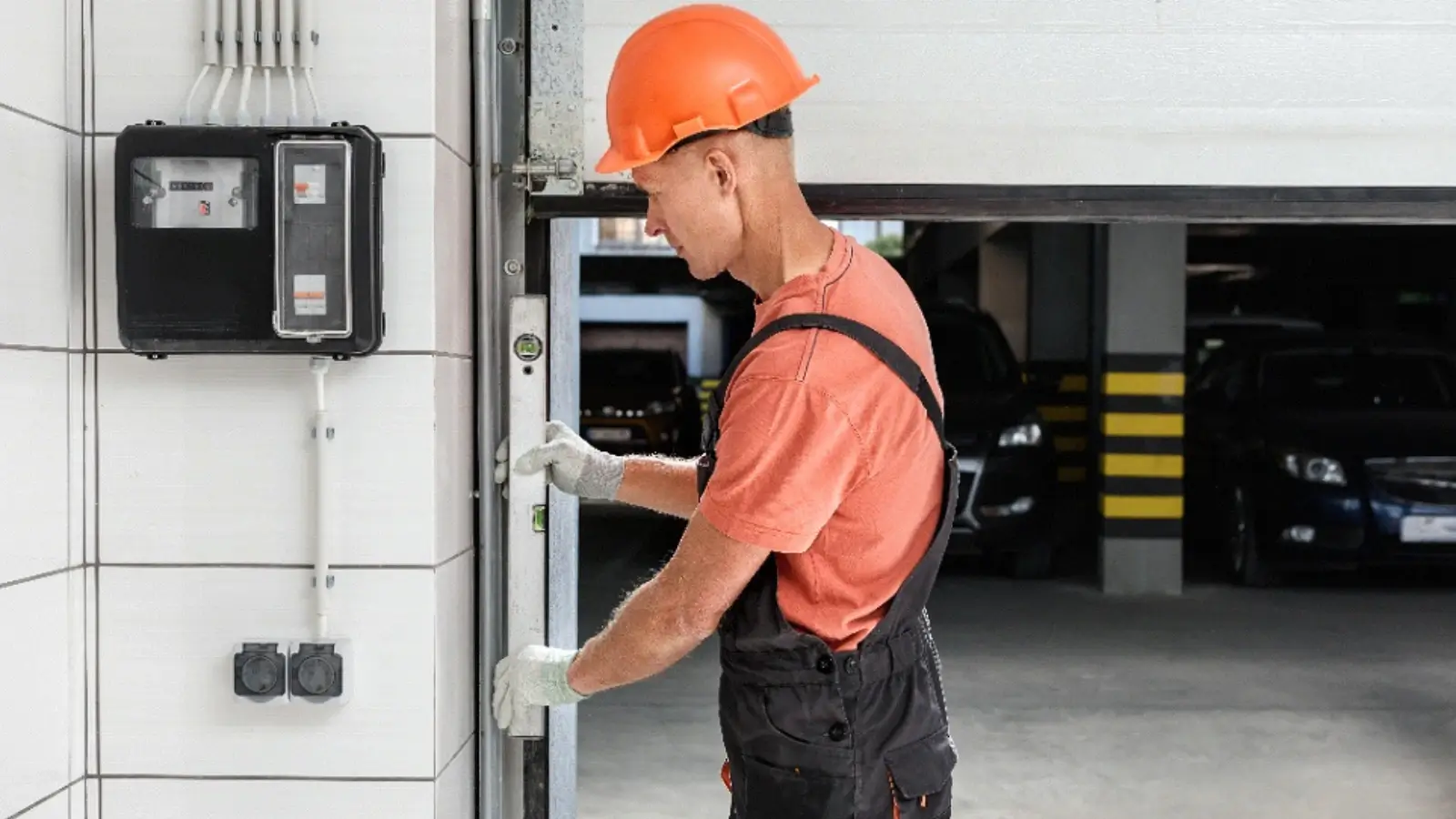
Wrong fit equals nonstop sabotage. If your door jerks open halfway before slamming shut, or clearance is always "just enough," you're not managing a system—you're coping with chaos. Too tall, and energy drains away; too short, and your equipment fights to keep up. Misaligned sensors? Prepare for constant workflow snarls. This isn't about flashy upgrades—it's about having a garage system that fits your operation like a glove, working seamlessly without asking for favors. Your garage door should follow your lead, never slow you down, or demand patience.
5. Noise Isn't a Quirk—It's a Warning Signal with Volume Maxed
Noise isn't some quirky background music—it's a flashing red alert. Every screech, grind, and slam is your garage door screaming exhaustion. Ignoring that warning? That's reckless, not tough. If your system sounds like it's begging for mercy, a breakdown is coming—and it'll strike when downtime costs you the most. That rattling at dawn? Not just annoying—it's a ticking time bomb. Your garage should operate like a machine built for battle, not cry out like it's on its last legs. Listen up, fix it before it breaks you.
Your garage door isn't just a moving wall. It's a piece of your workflow. And every time it fails to act, your business takes the hit. Skip the cheap fixes. Cut the guesswork. Install systems that don't just operate—they keep pace, hold strong, and shut problems out before they knock. Run your access points like you run your numbers—tight and no excuses.
Performance over participation. That's the Door Pros standard. Call 760-325-3667 for commercial garage doors that are tough, tested, and always ready to move.
FAQs
1. What's the ideal service frequency for a commercial garage door?
High-volume systems should be inspected quarterly. This includes checking spring tension, track alignment, lubrication, opener diagnostics, and sensor performance.
2. How do I know if my current garage door is underperforming?
Signs include slow response, noise during operation, visible wear on moving parts, uneven movement, and sensor misfiring. Any of these signals means your system's asking for attention.
Business Outstanders brings you sharp insights on tech, business, entrepreneurship, law, crypto, and more. We uncover what’s next. Stay updated, sign up for our newsletter and be part of the future!