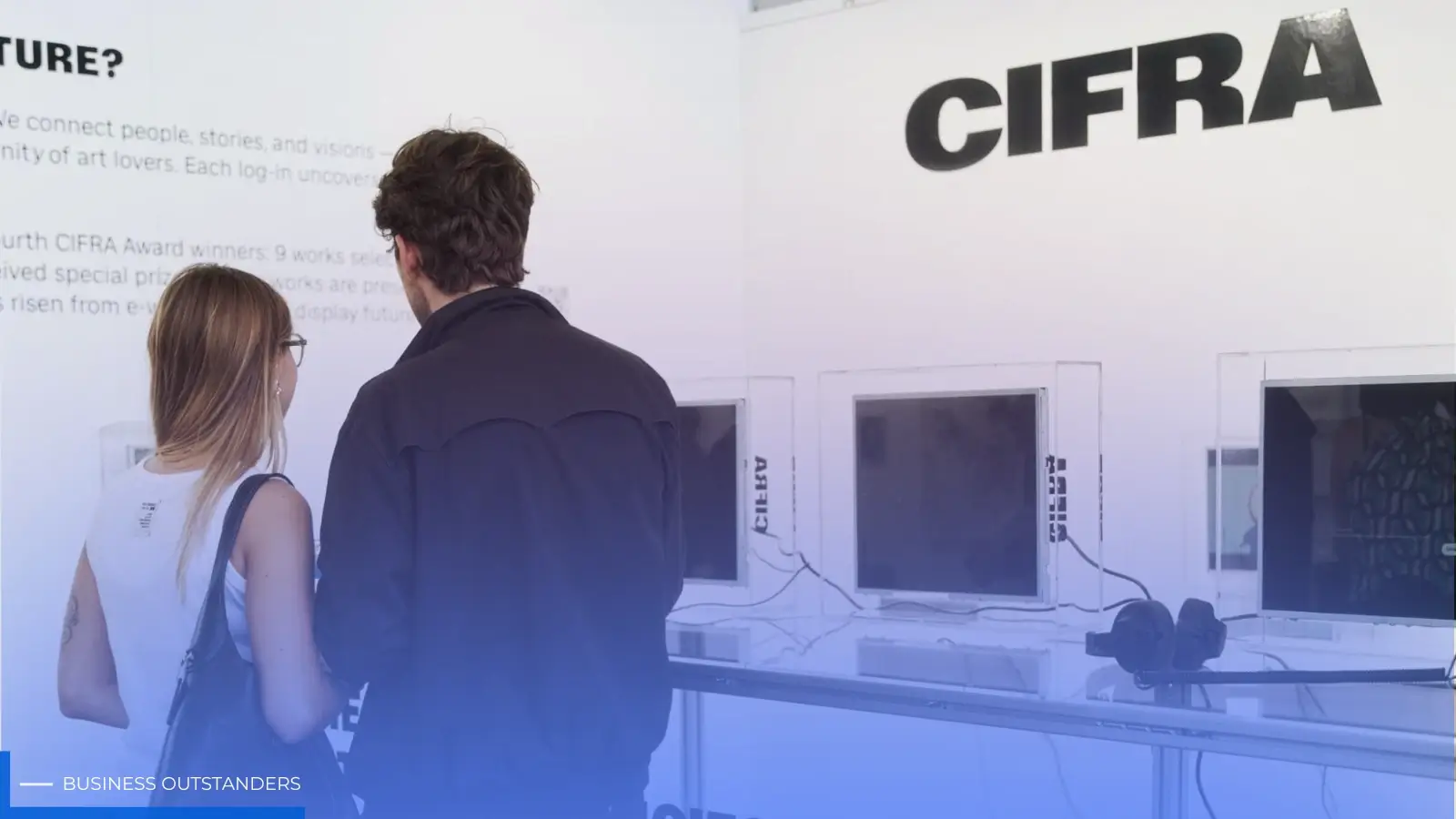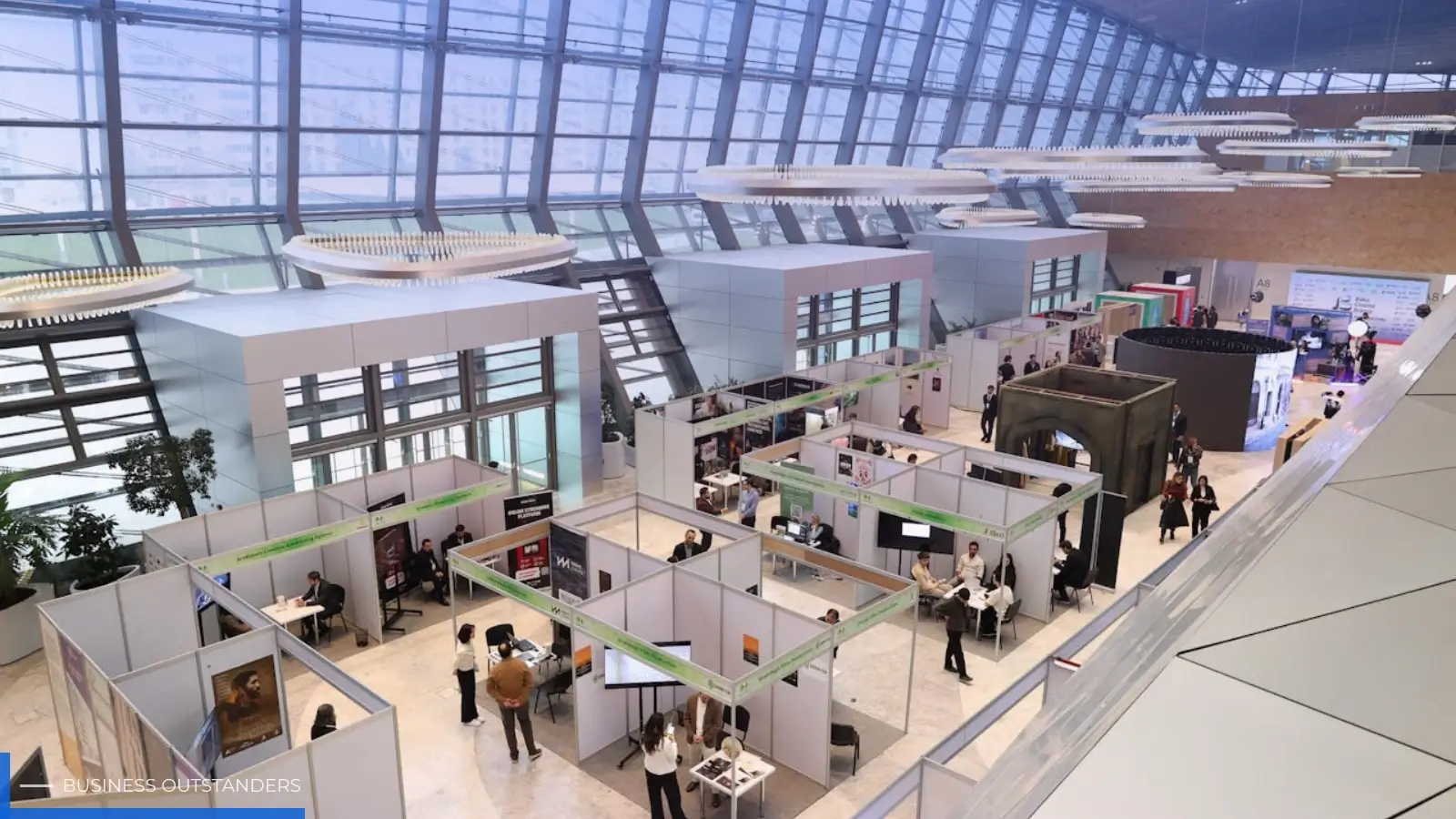
Walk a busy trade show floor today and you are really walking through a media environment. LED walls glow over the aisles, presentation theaters run back-to-back demos, and a few hundred wireless devices fight for the same airspace. The audiovisual layer is not a backdrop anymore. It is part of how exhibitors get noticed and how organizers keep a show on schedule.
That shift raises a practical question for anyone planning a booth, trade show display or an entire show: what actually makes trade show AV good, and how do you tell a strong partner from a cheap quote?
The show floor is a hard room
A trade show is one of the most demanding rooms in live events. Dozens of sound sources sit a few feet apart. Power, rigging, and freight are shared across hundreds of exhibitors. Load-in windows are short, and the schedule rarely forgives a slow setup. Gear that performs fine in a quiet ballroom can struggle on a crowded floor. The teams that handle it well plan for the room they will actually stand in — its size, its noise, its timeline — instead of the room on a spec sheet.
The technology is changing what a booth can do
The tools keep getting better. Direct-view LED walls are brighter, thinner, and cheaper per square foot every year, so even mid-size booths now run video that used to be reserved for a main stage. LED has largely replaced projection on the floor because it holds up under bright hall lighting. Content playback is more flexible too — a single media server can drive several synchronized screens, and live camera feeds can make a small stage feel like a keynote.
None of this is hard to rent. What is hard is making it all work together, on schedule, in a loud and crowded hall. The equipment has become a commodity. The planning behind it has not.
What separates strong trade show AV
A few things tend to separate a smooth show from a stressful one:
- Redundancy. Backup gear for the screen, the switcher, and the audio path. On a show floor, a single failure is public and immediate.
- Frequency coordination. Wireless microphones and comms need a managed plan. Without one, they step on each other the moment every booth powers up.
- Integration. When audio, video, lighting, and scenic are planned together, the cues land. When they come from separate vendors who first meet at load-in, the gaps show up in front of attendees.
- The right screen for the room. A simple slide loop and a multi-source broadcast can look identical on a quote. They are very different jobs, and the difference drives both cost and quality.
The cheapest quote is rarely the cheapest show
On a trade show floor, the lowest AV bid often wins by leaving out the things that protect the show — redundancy, realistic labor, and ownership of the seams between systems. Those costs do not disappear. They come back as change orders, overtime, or a failure at the worst possible moment. A complete quote that looks higher on paper is often the one that holds its number through the last day of the show.
Why national programs raise the stakes
For organizers who run the same show in several cities, the challenge multiplies. Each market can drift — different screens, a different stage, a crew that has never seen the show. That is why many national programs now lean on a single partner for convention and trade show production across markets, instead of booking a new local vendor in every city. One design, one standard, and one team that carries the show from stop to stop keeps the experience consistent no matter where it lands.
A few questions worth asking
Before you approve an AV quote for a booth or a full show, ask:
- Is there redundancy for the screen, the switcher, and the audio?
- Who owns integration between audio, video, and lighting — one team, or is that your job on site?
- Is the labor tied to a real load-in and load-out schedule, or is it a round number?
- If the show travels, what stays consistent from city to city?
The takeaway
The technology on the trade show floor will keep getting more capable. The fundamentals will not change. The exhibitors and organizers who look past the gear list — and ask how the whole show is planned, staffed, and backed up — are the ones who walk the floor on show day with one less thing to worry about.
Business Outstanders brings you sharp insights on tech, business, entrepreneurship, law, crypto, and more. We uncover what’s next. Stay updated, sign up for our newsletter and be part of the future!