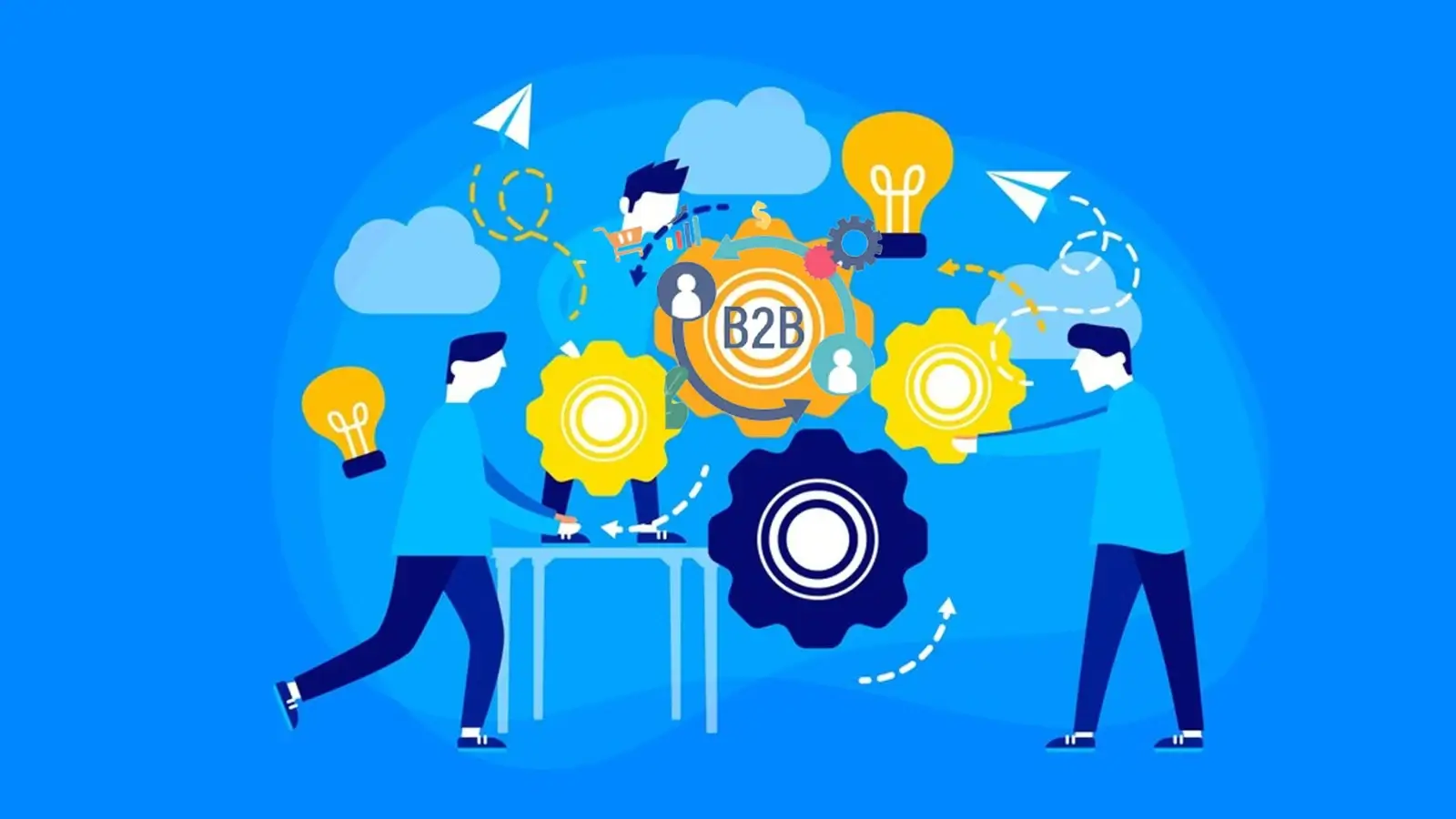
In B2B sales, unseen bottlenecks can quietly hinder growth, disrupt operations, and impact customer satisfaction. Slow order processing, outdated inventory tracking, and manual workflows create inefficiencies that frustrate buyers and strain business relationships. Companies struggling with inconsistent pricing structures and impersonal product catalogs also risk losing customer trust and potential revenue.
A major challenge lies in scalability—manual processes slow fulfillment, limit order volume capacity, and reduce flexibility in responding to demand fluctuations. These inefficiencies drive up costs and prevent businesses from capitalizing on new opportunities. Additionally, outdated systems contribute to stock discrepancies, resulting in overstocked warehouses or unexpected shortages that delay shipments.
The key to overcoming these obstacles is automation. By implementing automated order management, businesses can accelerate processing times, eliminate errors, and ensure real-time inventory accuracy. Intelligent pricing tools allow for dynamic and personalized pricing structures, giving buyers transparency and reinforcing trust. Personalized catalogs further enhance the shopping experience by displaying relevant products and tailored payment terms, making transactions more seamless.
Beyond efficiency, automation fosters stronger customer relationships by providing a frictionless purchasing experience. Buyers expect speed, accuracy, and reliability—needs that automated systems help fulfill. Businesses that prioritize digital transformation and a proper B2B ecommerce platform not only remove bottlenecks but also gain a competitive advantage, positioning themselves for sustainable growth.
For more insights into identifying and resolving B2B sales bottlenecks, check out the accompanying resource.

Business Outstanders brings you sharp insights on tech, business, entrepreneurship, law, crypto, and more. We uncover what’s next. Stay updated, sign up for our newsletter and be part of the future!