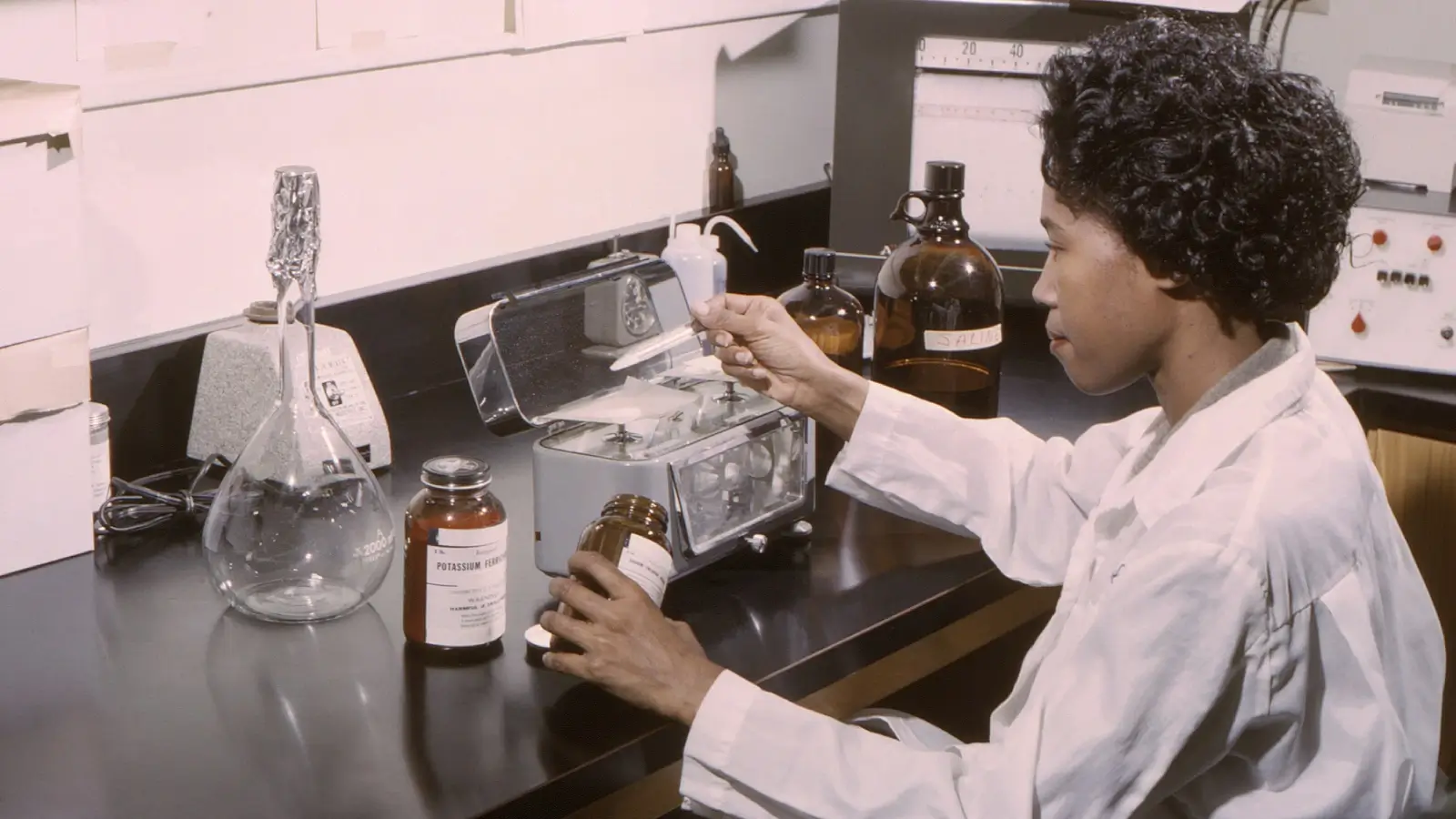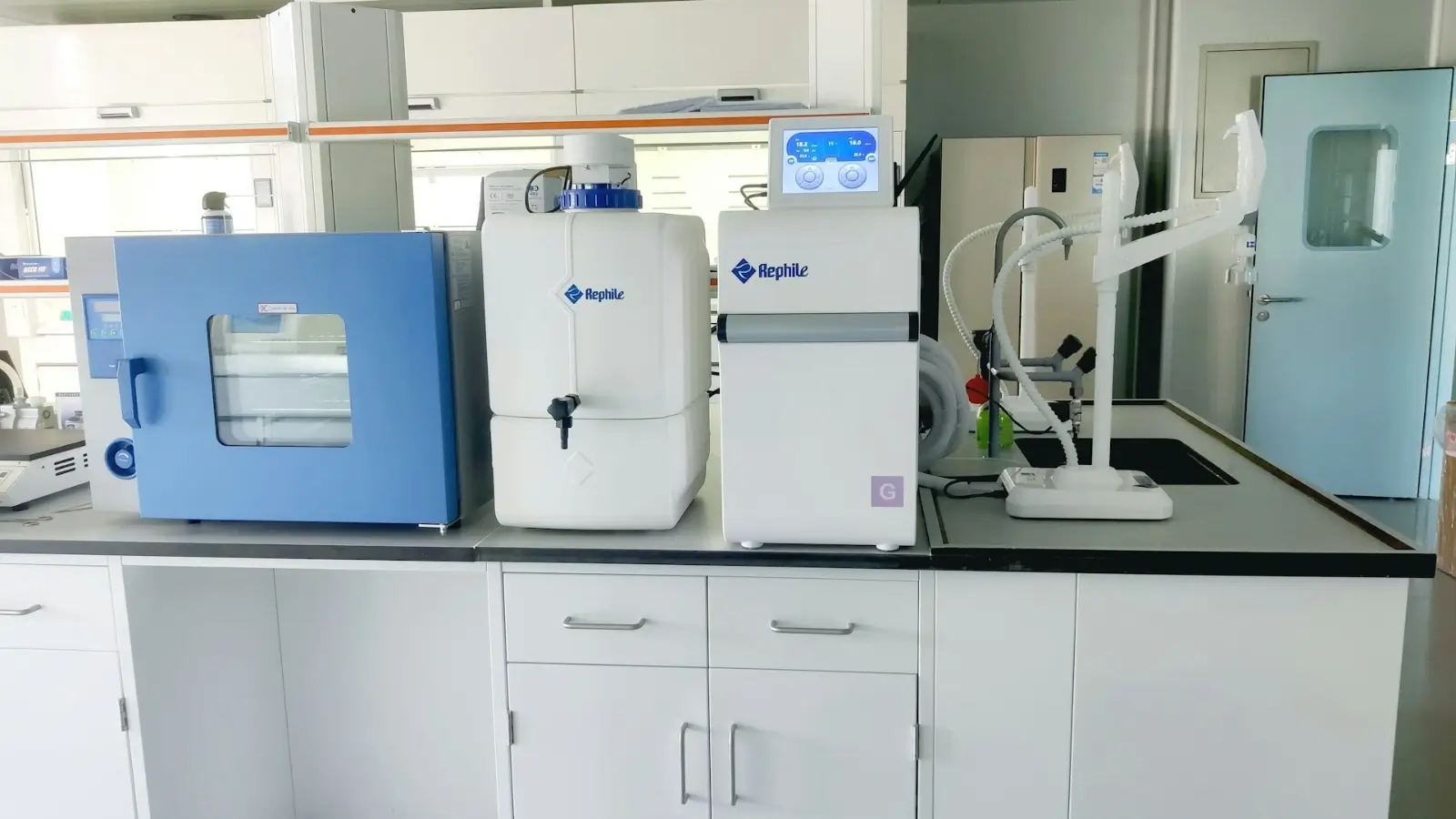
In an ideal world, funding for worthy scientific research would always be available. However, we have a very different reality, one where private financiers and even governments have a low appetite for funding science for its own sake. Regrettably, everything that needs funding must first present a convincing business case.
For many early-stage ventures and even innovation teams at established companies, this present reality means the old way of doing things is no longer as relevant as it used to be. Amidst this wider push for capital efficiency, we’ve seen coworking lab space rental arrangements come forward as a workable, if not better, solution for biotech research.
The raison d’être for these labs is simple. Shared laboratory environments allow startups and project teams to dive head-first into their research, without spending limited capital on equipment, maintenance, or uncertain future capacity. With the right labs, researchers can have instant, often 24/7 access to all the equipment and lab capacity they need at any time, without the accompanying acquisition and maintenance costs.
Here are more specific reasons why biotech firms the world over are steadily flocking towards Singapore’s shared facilities:
1) They Preserve Capital for Direct Research
Spending a significant portion of limited capital on laboratory fit-outs, specialised utilities, and ongoing facility management can reduce the resources available for experiments, product development, and talent acquisition. Using shared research infrastructure helps redirect much more of your available funds towards activities that generate data and move programmes closer to commercialisation.
2) Shared Labs Avoid a Protracted Lab Setup Phase
To continue, moving into an already-operational shared laboratory environment lets your team start working sooner. This reduces delays between securing funding and producing research outcomes, allowing your organisation to maintain irreplaceable momentum during critical stages of development. Generally speaking, this is something that biotech funders want to see, which is why the use of shared labs is increasingly being demanded as a funding condition.
3) You Can Immediately Scale Space Around Changing Needs
Few biotech companies remain the same size throughout their growth journey. Shared infrastructure makes it easier to increase or reduce laboratory space commitments as circumstances change. This simultaneously avoids paying for unused capacity and avoids the production cap that might result when a self-owned lab lacks the needed space or tools.
In other words, rather than tying up resources in infrastructure that may soon need to change, shared labs let you build a more flexible operation capable of adapting alongside evolving research priorities and market opportunities.
4) Shared Labs Reduce the Burden of Facility Maintenance
Running a laboratory involves high-level management skills that are not always present even in the most brilliant research teams. Equipment maintenance, safety compliance, waste management, building services, utilities, and operational coordination all require hard-to-find expertise. What’s more, facility challenges can also become more difficult as you delve into more advanced research paths.
A shared research environment removes this administrative burden from individual organisations, delegating it to a lab management team that serves multiple clients. With many operational responsibilities already managed, your team can dedicate greater attention to experimental work, collaboration, and innovation rather than day-to-day facility oversight.
5) Support Smarter Collaboration Across the Life Sciences Community
Innovation rarely happens in isolation and neither is it restricted to the confines of laboratories. Many breakthroughs emerge through organic casual conversations between researchers, technical specialists, entrepreneurs, and industry partners working across different disciplines.
Shared research facilities naturally create more opportunities for these fruitful interactions in ways that are highly unlikely to be replicated in a closed, self-owned lab. Aside from spurring on new ways of thinking, these contacts can even open doors to potential partnerships with service providers, investors, or collaborators within Singapore's growing biotechnology sector.
6) These Labs Democratise Access to Professional Research Environments
Finally, it can be credibly argued that these upstart shared facilities are finally democratising biotechnology or, at least, putting leading-edge biotech research capabilities in the hands of smaller players. Indeed, for many smaller organisations, creating a workable, legally compliant research environment independently may not always be practical or even doable during the early stages of growth.
Ultimately, consumers end up the biggest winners. With Singapore’s shared labs finally bringing costs down for talented but underfunded teams, global consumers are now enjoying a broader pipeline of innovative therapies, diagnostics, and life science solutions.
Renting is The Smarter Path to Biotech Capital Efficiency
Creating the greatest possible scientific impact from each dollar you have is not always so simple. Thankfully, the rise of Singapore’s shared laboratories has opened up many more ways to do just that. Freed from the capital constraints of self-owning a fully-kitted laboratory, biotech startups the world over are finding their place in the city-state.
Indeed, as the business case surrounding rented labs continues to be validated, it’s increasingly clear that renting is, by far, the most sensible option for most cash-strapped ventures. When your laboratory challenges are already expertly handled, your venture can dedicate more of its focus to turning out patents and market-ready innovations.
Also Read: How Biotech Startups Are Cutting Development Timelines Without Expanding Teams
Business Outstanders brings you sharp insights on tech, business, entrepreneurship, law, crypto, and more. We uncover what’s next. Stay updated, sign up for our newsletter and be part of the future!