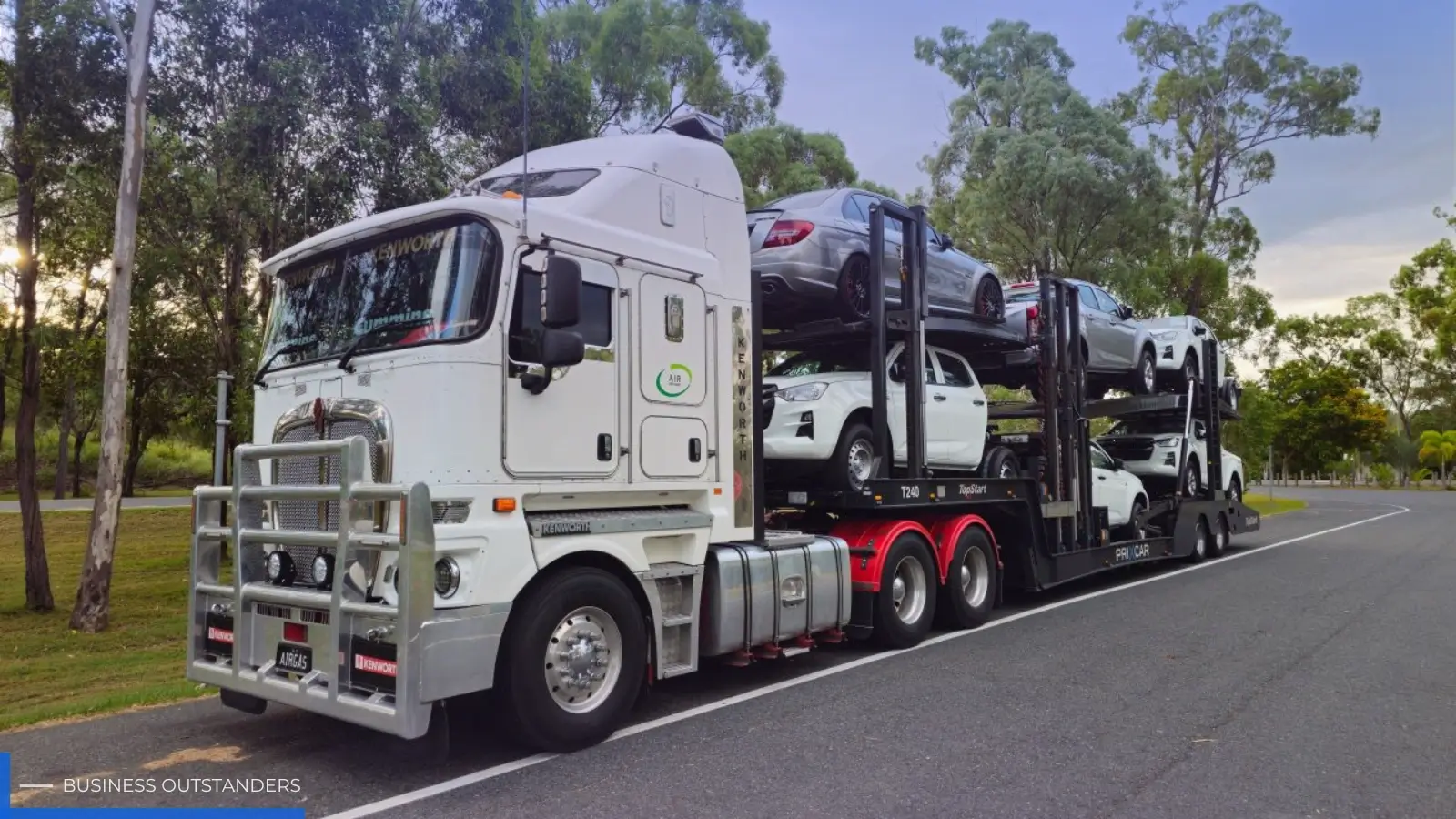
Truck accidents remain a serious safety issue on American highways, contributing to a significant share of severe injuries and roadway fatalities each year. The scale of the problem is reflected in national crash data. In 2022, 5,837 large trucks were involved in fatal crashes, highlighting the substantial risks of collisions involving commercial vehicles and the importance of strong safety measures and accountability on the road.¹ By following proven safety measures, all road users can help minimize the risks posed by commercial trucks. Both drivers and passengers should be aware of the practical steps that reduce these dangers and maintain a safer road environment. If you or someone you know is involved in a collision, seeking the help of knowledgeable truck accident attorneys in Denver can be essential for protecting your rights and pursuing fair compensation, as legal expertise in truck accident cases plays a critical role in protecting your rights and pursuing fair compensation.
Implementing key driving strategies, properly maintaining vehicles, and utilizing onboard technology are all fundamental to preventing serious accidents. Whether you are a truck driver or sharing the road with large trucks, recognizing blind spots, staying alert, and respecting traffic laws are essential to enhance road safety. By combining proactive behaviors and adherence to regulations, the likelihood of devastating highway crashes is significantly reduced, ultimately protecting lives and property on our roads.
While trucking accidents are often complex events influenced by many factors, accident prevention is a shared responsibility. Highways are safer when everyone works together and remains attentive to the specific hazards posed by large vehicles. According to the Federal Motor Carrier Safety Administration, addressing the leading causes of truck crashes identified in the Large Truck Crash Causation Study - Analysis Brief can substantially diminish their frequency and impact.²
Maintain Safe Following Distance
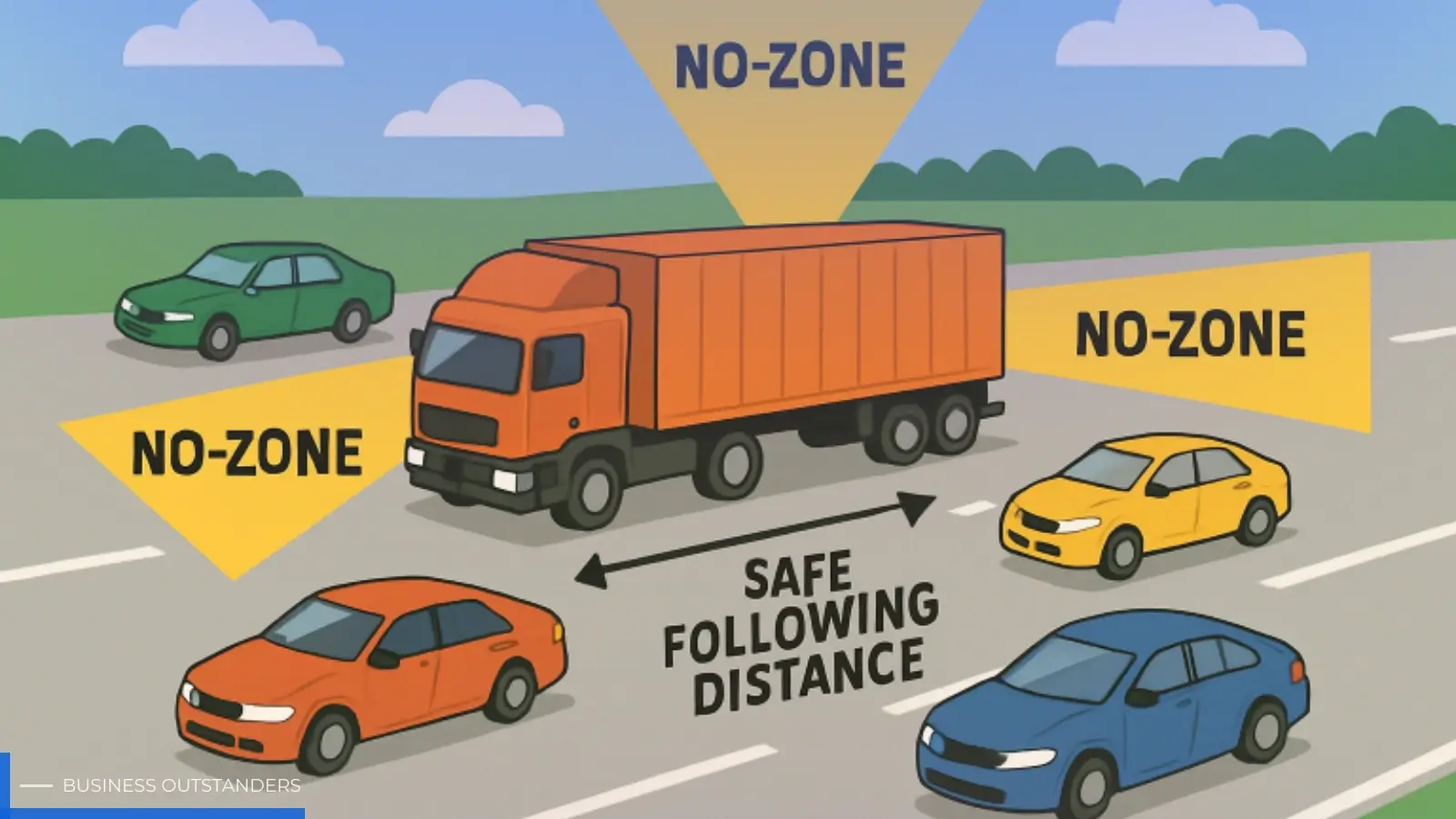
Maintaining a safe distance behind large trucks is one of the most critical safety measures for all road users. Trucks need much more time and space to stop than smaller vehicles. The FMCSA recommends maintaining a safe following distance based on your vehicle’s length and speed. If you are driving below 40 mph, you should leave at least one second for every 10 feet of vehicle length. For a typical tractor-trailer, this results in a 4-second gap between you and the leading vehicle. For speeds over 40 mph, you should add an additional 1 second.³ At highway speeds, this often translates to leaving ample space behind trucks, and drivers should increase the gap further in poor weather to account for reduced visibility and traction.
Avoid Truck Blind Spots
Truck drivers have multiple large blind spots, often labeled "no-zones," along both sides, directly in front, and behind the vehicle. As a rule, if you cannot see the driver's face or mirrors, assume they cannot see you. Passing quickly and safely is key to minimizing the time spent in these hazardous blind spots, where sudden slowing or lane changes can have catastrophic outcomes.
Practice Defensive Driving
Defensive driving means planning and responding calmly to sudden changes. Key tactics include leaving enough space between vehicles by following the three-second rule, signaling well before a turn or a lane change, and staying alert to changing traffic and weather conditions. These practices help everyone safely navigate the unpredictable nature of busy roads, especially around large trucks that require more time to react and maneuver.
Regular Vehicle Maintenance
For both commercial operators and private drivers, regular vehicle maintenance cannot be overstated. Timely inspections of brakes, tires, lights, suspension, and steering components help prevent dangerous breakdowns and ensure vehicles remain in safe operating condition. Even minor mechanical issues, such as worn brake pads or faulty lights, can quickly escalate into serious hazards if ignored.
Use Advanced Safety Technologies
Modern truck fleets are increasingly equipped with advanced safety features such as collision warning with emergency braking, lane departure warning, and adaptive cruise control. These technologies employ cameras and radar to detect vehicles ahead or alongside, providing critical alerts to drivers and even actively applying brakes when a collision risk is detected. Utilizing and maintaining these technological safeguards can make a substantial difference in preventing crashes.
Stay Alert and Avoid Distractions
Drowsiness and distractions are among the leading causes of severe truck accidents. Activities such as texting, eating, or adjusting the GPS can impair reaction time and divide attention from the road. Setting devices to "do not disturb" mode and planning breaks for meals and rest can go a long way in sustaining focus and reducing preventable crashes.
Respect Speed Limits and Traffic Signals
Speeding remains a significant factor in truck-related crashes. Trucks take longer to slow down, and their turning radius requires additional space at intersections and on-ramps. By obeying posted speed limits, slowing down in construction zones or poor weather, and exercising extra caution at intersections, truck drivers and motorists alike can keep everyone safer on the highway.
Never Drive While Fatigued
Fatigue impairs driving ability as much as alcohol or drugs. Federal regulations limit commercial drivers' hours, but personal responsibility is equally important. Taking a break at least every two hours, avoiding long nighttime drives, and recognizing the signs of fatigue can help combat exhaustion and greatly reduce the risks of catastrophic accidents during overnight and early morning hours.
Adhering to these practical tips and fostering greater awareness of truck-related hazards can make the roads safer for everyone. Lives are protected when both truck drivers and other motorists play their part in accident prevention and commit to safer driving habits.
References
- Federal Motor Carrier Safety Administration. Large Truck and Bus Crash Facts. U.S. Department of Transportation. https://www.fmcsa.dot.gov/safety/data-and-statistics/large-truck-and-bus-crash-facts
- Federal Motor Carrier Safety Administration. The Large Truck Crash Causation Study - Analysis Brief. U.S. Department of Transportation. https://www.fmcsa.dot.gov/safety/research-and-analysis/large-truck-crash-causation-study-analysis-brief
- Federal Motor Carrier Safety Administration. CMV Driving Tips ‑ Following Too Closely. U.S. Department of Transportation. https://www.fmcsa.dot.gov/safety/driver-safety/cmv-driving-tips-following-too-closely
Business Outstanders brings you sharp insights on tech, business, entrepreneurship, law, crypto, and more. We uncover what’s next. Stay updated, sign up for our newsletter and be part of the future!