Car dealerships have always been more than just places to buy and sell vehicles—they serve as vital contributors to local economies and community life. In many cities, they influence not only what people drive but also how the local economy grows and adapts to changing trends. For example, shoppers exploring car dealerships in Mobile, Alabama will quickly realize that these businesses shape local consumer behavior, employment opportunities, and even infrastructure development. By understanding the evolving role of dealerships, it becomes clear how they are shaping the local market in powerful ways.
Driving Consumer Preferences
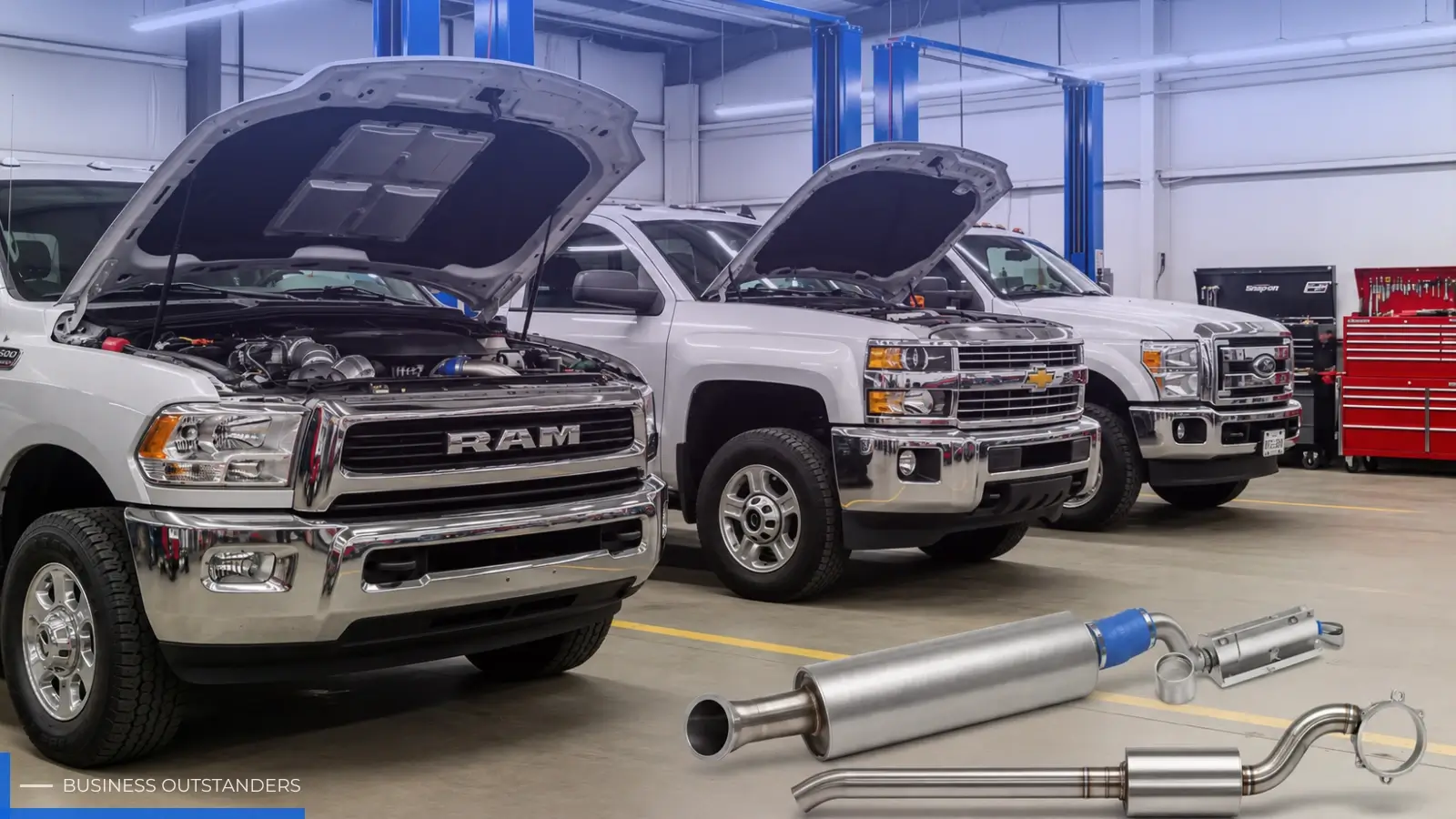
One of the most significant ways dealerships shape the local market is by influencing consumer preferences. Through promotions, test drives, and showcasing the latest models, dealerships steer buyers toward specific types of vehicles. For instance, if dealerships highlight electric or hybrid vehicles in their inventory, local buyers are more likely to consider environmentally friendly options. Similarly, promotions on trucks or SUVs can lead to higher demand in those categories. By aligning their inventory with both consumer trends and manufacturer strategies, dealerships set the tone for what people want to drive.
Creating Jobs and Economic Growth
Car dealerships are major employers in local markets. From salespeople and finance managers to mechanics and administrative staff, these businesses create a wide range of jobs. The ripple effect is even greater when you consider the service industry, advertising, and other sectors that benefit from dealership activity. In many cities, dealerships contribute significantly to local tax revenue, which in turn funds schools, infrastructure, and public services. Their economic footprint ensures that when dealerships thrive, the community benefits as well.
Boosting the Local Service Industry
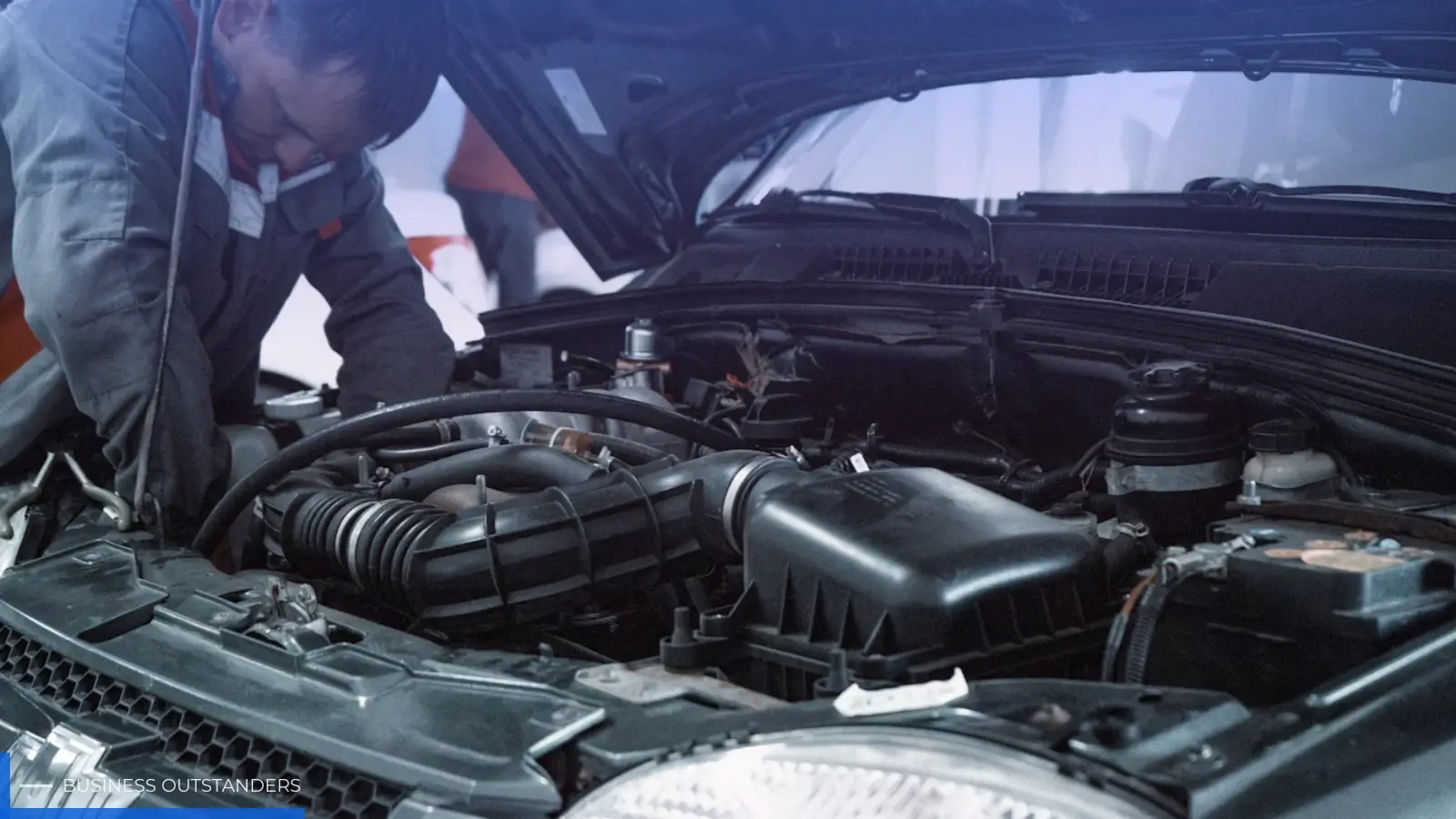
Beyond selling cars, dealerships provide ongoing maintenance and repair services, which support the local service economy. Offering oil changes, tire rotations, and advanced diagnostics, dealerships keep vehicles running efficiently while keeping business local. This helps customers avoid traveling far for trusted service and creates long-term relationships between dealerships and the community. The availability of reliable service options also strengthens buyer confidence, knowing their vehicles can be maintained close to home.
Financing and Accessibility
Dealerships make car ownership more accessible through financing and leasing options. Without these services, many buyers would struggle to purchase vehicles outright. By offering diverse financing packages, dealerships cater to various income levels, making cars accessible to a wider portion of the population. This financing role directly shapes the local market by influencing who can buy cars, how often they replace them, and the types of vehicles they choose. The presence of flexible financing options encourages more vehicle transactions, boosting overall market activity.
Supporting Local Infrastructure Development
As dealerships promote certain vehicle types, they indirectly influence local infrastructure. For example, if dealerships sell more electric cars, the demand for charging stations rises, pushing the community to adapt. Likewise, an increase in truck or SUV sales may drive improvements in roads and parking infrastructure. By guiding vehicle trends, dealerships shape how cities plan for future transportation needs and allocate resources to support them.
Introducing New Technology to Communities
Car dealerships are also key players in introducing new technology to local communities. Features like advanced safety systems, hybrid engines, and smart connectivity are showcased to buyers who may otherwise be unaware of them. Dealership staff often educate customers about these features, making them more comfortable adopting new technologies. This process accelerates the acceptance of innovative vehicles and encourages technological progress within the local market.
Encouraging Trade-Ins and Vehicle Recycling
Dealerships play a critical role in trade-ins, which keeps the used car market thriving. Trade-in programs encourage people to upgrade their vehicles sooner, creating a steady supply of pre-owned cars for budget-conscious buyers. This cycle benefits multiple segments of the local market by ensuring affordable options are available while also reducing waste through recycling and reuse. By managing trade-ins effectively, dealerships maintain a healthy balance between new and used car markets.
Community Engagement and Sponsorships
Many dealerships go beyond business by engaging in community activities. Sponsorships of local sports teams, charity events, and educational programs strengthen the bond between dealerships and their communities. This engagement boosts brand loyalty while also contributing to local well-being. By taking part in community life, dealerships reinforce their role as more than just businesses—they become community partners with a lasting impact.
Shaping Market Competition
The presence of multiple dealerships in one area fosters competition, which benefits consumers through better pricing, promotions, and service quality. In competitive markets, dealerships must work harder to win customer loyalty, often through innovative services or improved customer experiences. This competition not only drives down costs but also pushes dealerships to stay updated on consumer trends and technological changes. In turn, the local market evolves faster and becomes more responsive to consumer needs.
Adapting to Economic Conditions
Dealerships are quick to respond to shifts in the economy, and their adaptations influence local markets. During economic downturns, dealerships may offer more affordable financing options or emphasize used car sales. In times of growth, they might expand their inventory of luxury or specialty vehicles. These adjustments ensure that the local market remains balanced and that residents continue to have access to vehicles that match their circumstances. By adapting quickly, dealerships help stabilize the local economy and provide resilience during uncertain times.
Expanding Online and Hybrid Sales Models
The rise of online car shopping has changed how dealerships interact with local markets. Many now offer hybrid models, where customers begin their journey online and complete the purchase in person. This combination gives buyers more flexibility while still supporting local businesses. Online tools such as digital showrooms, financing calculators, and trade-in estimators make dealerships more competitive and broaden their reach, yet their impact on the local market remains strong since cars are ultimately delivered and serviced locally.
Building Trust Through Transparency
Trust plays a major role in shaping the local market, and dealerships are increasingly focusing on transparency. Providing detailed vehicle histories, clear pricing structures, and customer-focused sales practices builds confidence among buyers. This trust fosters repeat business and word-of-mouth referrals, both of which strengthen the local market. Dealerships that prioritize honesty and customer satisfaction not only grow their own businesses but also elevate the overall reputation of the local automotive market.
The Future of Local Dealership Influence
Looking ahead, dealerships will continue to evolve as they adapt to electrification, sustainability, and digital trends. Their role in shaping the local market will only grow stronger as they balance traditional sales with innovative strategies. By staying connected to consumer needs, technological advancements, and community priorities, dealerships will remain central to how local markets develop and thrive.
Conclusion: Dealerships as Market Leaders
Car dealerships are more than retail centers—they are powerful forces shaping local economies, consumer behavior, and community life. They influence what vehicles people buy, how they maintain them, and even how cities adapt to changing transportation needs. From creating jobs and boosting competition to fostering trust and community engagement, dealerships leave a lasting mark on local markets. As the industry continues to evolve, dealerships will remain at the heart of these changes, guiding communities through shifts in technology, economy, and lifestyle. For buyers and residents alike, understanding the role of dealerships means appreciating the significant ways they shape the local market now and into the future.
Business Outstanders brings you sharp insights on tech, business, entrepreneurship, law, crypto, and more. We uncover what’s next. Stay updated, sign up for our newsletter and be part of the future!