Accidents happen, even to the most careful drivers, and when they do, vehicles often suffer damage that ranges from minor dents to major structural issues. Restoring an accident-damaged vehicle requires professional expertise, specialized tools, and a thorough understanding of both cosmetic and mechanical repairs. Auto body shops provide these essential services, ensuring that vehicles are returned to their pre-accident condition safely and efficiently. Understanding what professional auto body repair entails can help vehicle owners make informed decisions after an accident.
The Importance of Professional Auto Body Repair
When a vehicle is damaged in an accident, it’s not just about aesthetics. Even minor collisions can affect the structural integrity, alignment, and performance of a car. Attempting DIY repairs or relying on inexperienced technicians can lead to unsafe conditions, poor alignment, and decreased vehicle value.
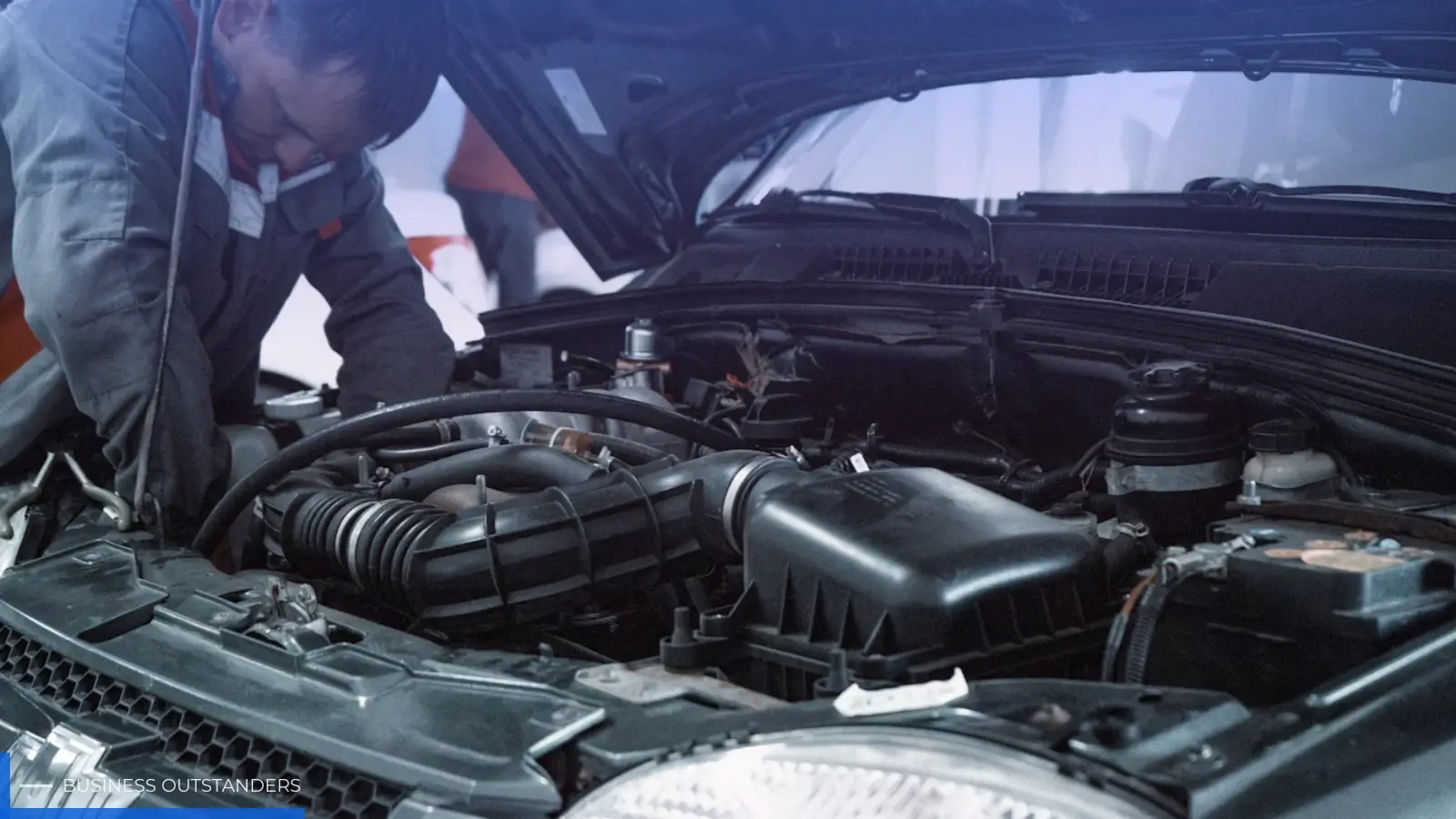
Professional auto body repair shop offer expertise in handling accident-damaged vehicles, addressing both visible and hidden issues. Certified technicians assess the damage, create a detailed repair plan, and use state-of-the-art equipment to restore the vehicle. Their goal is not only to make the car look good but also to ensure it is safe and fully functional for everyday use.
Common Types of Accident Damage
Accidents can cause a variety of damages that require attention from an experienced auto body repair shop. Common issues include:
- Dents and Scratches: Minor collisions often result in dings, dents, or scratches that affect the vehicle's appearance.
- Bumper and Panel Damage: Front and rear collisions frequently damage bumpers, fenders, and body panels.
- Frame and Structural Damage: Serious accidents can compromise the frame, affecting the car's stability and safety.
- Paint Damage: Chips, peeling, or scratches can lead to rust and corrosion if not properly repaired.
- Mechanical Issues: Damage to suspension, steering, or engine components may occur, especially in high-impact collisions.
Understanding the type and extent of damage helps vehicle owners and technicians prioritize repairs and ensure a comprehensive restoration.
The Auto Body Repair Process
Professional auto body repair follows a structured process to ensure vehicles are restored safely and efficiently:
- Initial Inspection and Assessment: Technicians conduct a thorough inspection to identify all visible and hidden damage. They document the issues and provide a detailed repair estimate.
- Disassembly: Damaged components are removed to assess hidden structural issues, such as frame misalignment or internal mechanical damage.
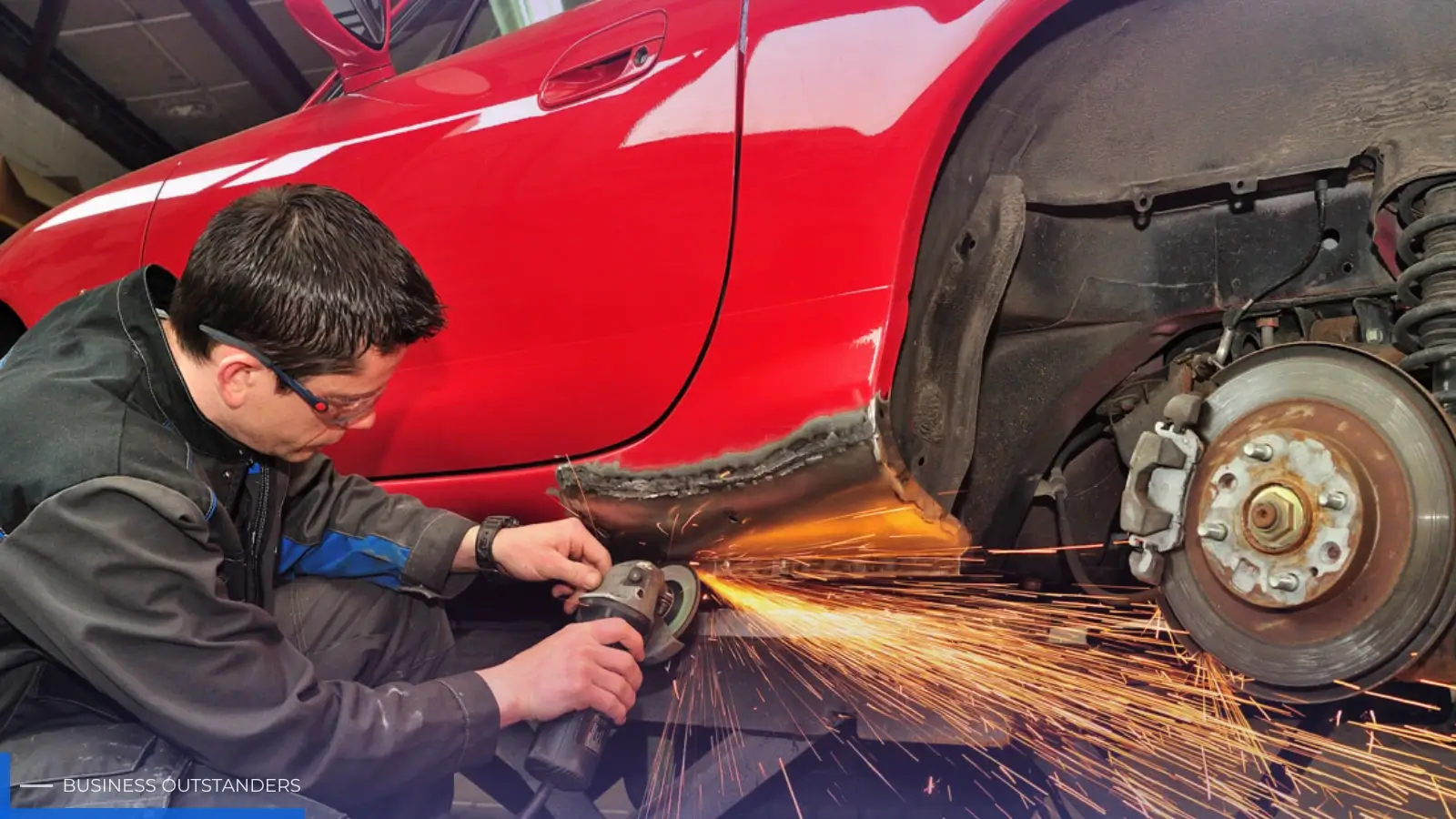
- Structural and Frame Repair: If the accident caused frame damage, technicians use advanced equipment to straighten the frame to factory specifications. Proper alignment ensures safe handling and protects against future damage.
- Panel Repair or Replacement: Damaged body panels are repaired or replaced. Minor dents may be fixed with paintless dent repair, while severely damaged panels are replaced entirely.
- Painting and Finishing: After repairs, the vehicle is prepared for painting. Professional auto body shops use paint-matching technology to ensure the new paint blends seamlessly with the existing color. A protective clear coat is applied to maintain durability and shine.
- Reassembly and Quality Check: Once repairs are complete, the vehicle is reassembled, and a final inspection ensures everything functions correctly. Alignment, mechanical performance, and cosmetic finish are thoroughly checked before the car is returned to the owner.
The Role of Technology in Modern Auto Body Repairs
Technology has transformed the auto body repair industry, allowing technicians to perform precise and efficient repairs. Modern shops use computerized frame alignment systems, digital measuring tools, and advanced welding equipment to restore vehicles accurately.
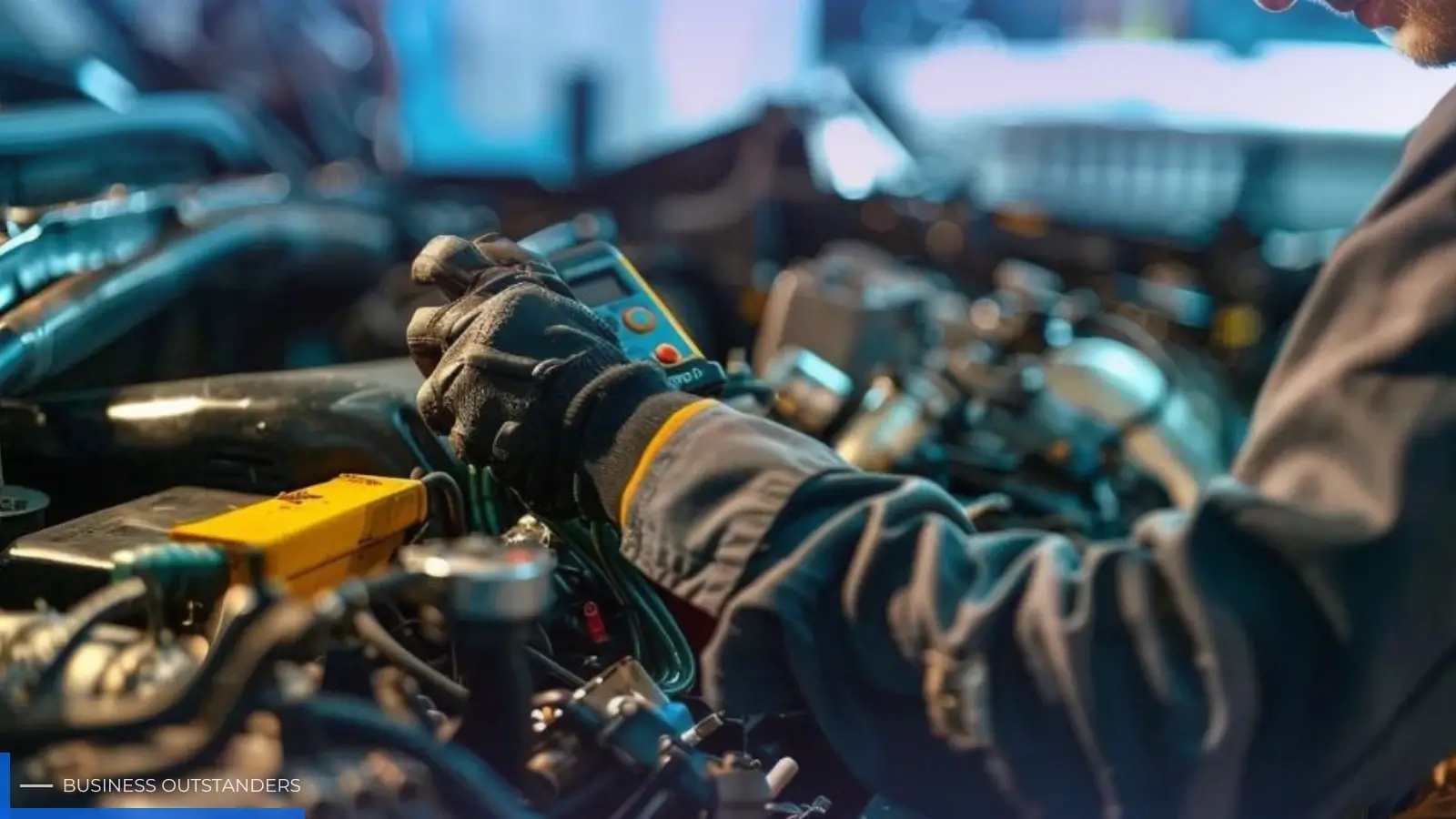
Paint-matching technology ensures that repaired panels match the original color perfectly, making the repairs virtually undetectable. Additionally, computerized diagnostic tools help identify hidden mechanical issues, such as suspension misalignment or electronic system malfunctions, that may result from an accident.
Benefits of Using a Professional Auto Body Repair Shop
Using a professional auto body repair shop provides several key benefits:
- Safety: Proper structural and mechanical repairs ensure that the vehicle meets safety standards, protecting drivers and passengers.
- Quality Workmanship: Experienced technicians use certified techniques and high-quality materials for long-lasting repairs.
- Insurance Assistance: Many professional shops work directly with insurance companies, streamlining claims and ensuring accurate estimates.
- Time Efficiency: Skilled technicians complete repairs efficiently without compromising quality.
- Vehicle Value Preservation: Proper repairs help maintain the car’s resale value and prevent issues like rust, misalignment, or recurring mechanical problems.
Choosing the Right Auto Body Shop
Selecting the right repair shop is essential for achieving high-quality results. Vehicle owners should consider the following factors:
- Certifications and Experience: Look for shops with certified technicians and a proven track record in collision repair.
- Advanced Equipment: A modern shop with state-of-the-art tools and technology ensures precise repairs.
- Customer Reviews: Positive feedback from previous clients indicates reliability and professionalism.
- Warranty and Guarantees: Reputable shops offer warranties on repairs, providing peace of mind for vehicle owners.
- Insurance Coordination: Shops experienced in working with insurance claims can simplify the repair process and reduce stress.
Choosing a reliable auto body shop ensures that the vehicle is restored safely, efficiently, and with high-quality results.
Maintenance After Collision Repairs
After completing repairs, proper vehicle maintenance helps preserve the quality of the work. Regular inspections, tire alignment checks, and routine servicing can prevent long-term issues, and following practical car repair hacks can help drivers keep their vehicles in better condition. Keeping the car clean and protected from environmental factors also maintains the finish and prevents rust or corrosion.
Following repair shop recommendations regarding break-in periods for new paint or replaced parts ensures the longevity of the repairs. Additionally, maintaining accurate records of repairs can be useful for insurance or resale purposes.
The Future of Auto Body Services
The auto body repair industry continues to evolve with advancements in materials, technology, and techniques. Lightweight materials, such as aluminum and carbon fiber, require specialized repair processes. Electric and hybrid vehicles present unique challenges for collision repair due to their battery systems and electronic components.
Professional repair shops are adapting to these changes, investing in training, tools, and certifications to handle modern vehicles safely and effectively. As technology advances, customers can expect faster, more precise, and higher-quality repairs that maintain both safety and aesthetic standards.
Conclusion
Accident-damaged vehicles require professional attention to ensure safety, functionality, and appearance. From structural repairs and panel replacement to advanced painting and finishing, professional auto body shops provide comprehensive services that restore vehicles to their pre-accident condition.
Choosing a certified auto body repair shop ensures that repairs are performed with skill, precision, and modern technology. By relying on experienced professionals, vehicle owners can protect the safety of themselves and their passengers, maintain the value of their vehicles, and enjoy peace of mind during the recovery process.
Business Outstanders brings you sharp insights on tech, business, entrepreneurship, law, crypto, and more. We uncover what’s next. Stay updated, sign up for our newsletter and be part of the future!