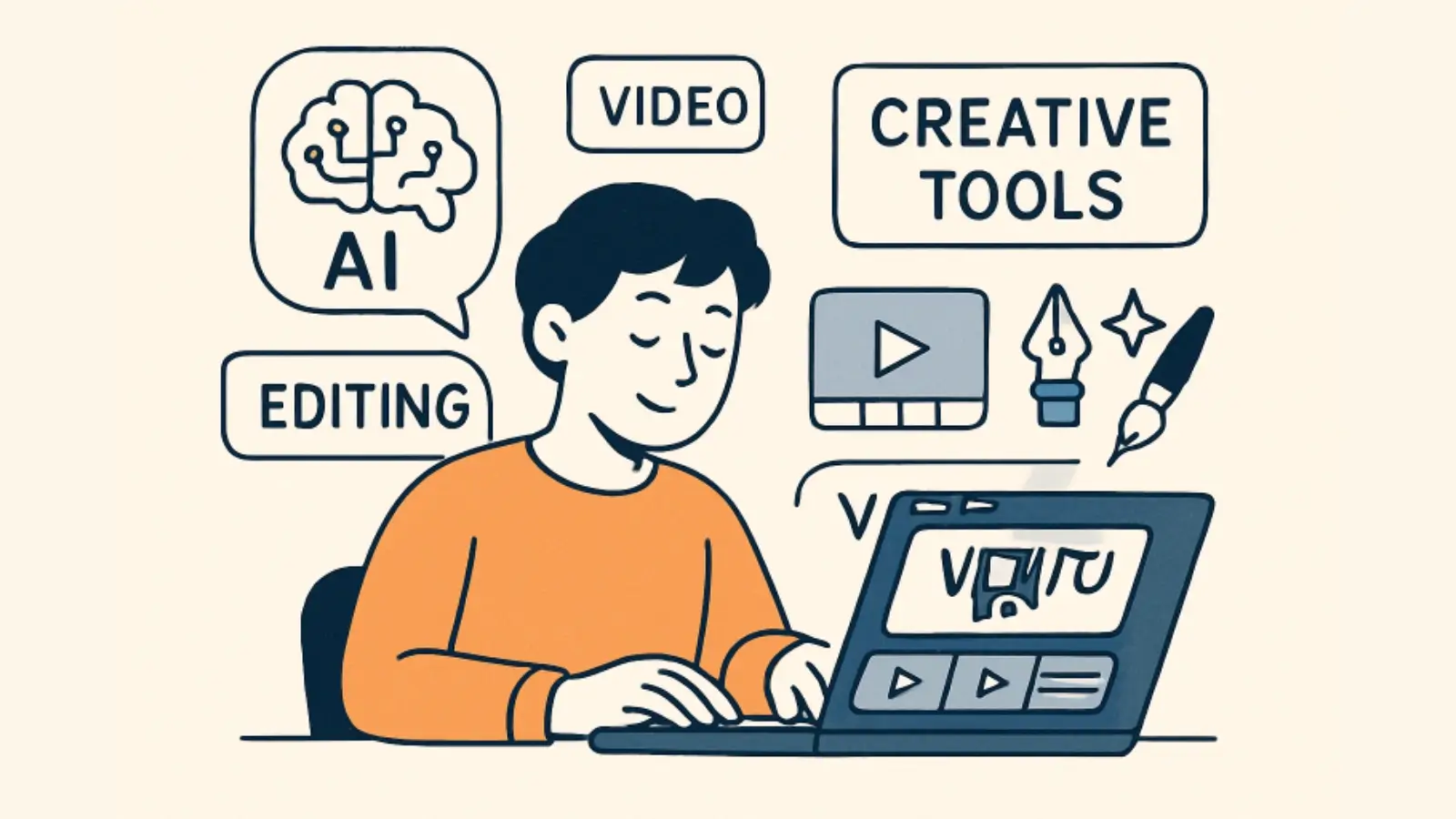
The Shifting Landscape of Content Creation
The digital media landscape is changing dramatically as video dominates the internet. Social feeds, learning platforms, and marketing channels are filled with fresh, fast-paced clips demanding creators' attention and consistency. In a space where competition is fierce and audiences crave novelty, creators are continuously searching for innovative ways to meet demand without burning out. AI has emerged as a transformative force, offering efficiency and innovation, especially when paired with a dedicated AI clip generator that breaks down traditional editing barriers.
The impact of AI-driven tools has spread across all content creation sectors—from YouTube to corporate training and social media micro-influencers—by helping shift the time, skill, and budget equations in content production. Leveraging an advanced AI clip generator allows creators to quickly produce shareable, high-quality clips that keep up with the lightning pace of online trends and the ever-changing expectations of global audiences.
What AI Video Editing Tools Offer
AI-powered video tools don’t just speed up workflow—they fundamentally redefine what’s possible. With capabilities like automatic scene detection, intelligent trimming, and instant captioning, AI editors manage complicated processes behind the scenes. The software often suggests edits, transitions, royalty-free music tracks, and visual enhancements tailored to a project's style or intended platform. This technology brings previously complex editing options within reach for solo creators and small teams, leveling the playing field and streamlining creative pipelines for professionals. Even large productions are increasingly turning to AI for rough cuts and initial drafts, trusting its reliability and adaptive learning.
Speed and Efficiency: Editing in Minutes, Not Hours
Traditionally, editing was a painstaking process requiring hours—sometimes days—of meticulous work. AI video editing tools now automate much of the drudgery. Through advanced pattern and object recognition, these tools can quickly sort through hours of raw footage, extract highlights, and stitch together narrative sequences. Many tools now offer real-time clip analyses, enabling creators to receive immediate suggestions and produce first drafts in a fraction of the historical time. This increased speed gives creators more bandwidth for ideation, audience engagement, and strategic planning—where human creativity makes the most significant difference.
Democratization of Video Production
AI is transforming ideas into polished videos that are no longer a privilege for the few but an opportunity for all. Expensive setups and years of post-production training are no longer prerequisites for compelling results. From small business owners making promo clips to students submitting digital assignments, AI’s intuitive interfaces and automatic workflows make high-quality production accessible to users of all backgrounds and budgets. As a result, previously overlooked voices are reaching audiences, fostering more diverse storytelling and community-driven content online.
The surge in readily available AI tools has also enabled a remote-first, collaborative approach in video editing. Teams working across continents can now co-edit, review, and manage projects in synchronized environments, as highlighted by recent analysis from Forbes. This open access is quickly becoming the standard for digital video production.
AI’s Role in Boosting Creative Potential
The best AI video editors do more than automate—they spark creatively rich outcomes. AI assists with advanced effects, innovative templates, and adaptive color grading, which empower even inexperienced users to experiment. For content creators looking to stand out, generative AI tools recommend creative enhancements and quickly produce new versions of footage, enabling a trial-and-error approach that previously wasn’t feasible within tight deadlines. Case studies abound, from travel vloggers instantly translating captions to entrepreneurs designing dynamic, eye-catching social ads in under an hour. With this AI-infused toolkit, creators can focus on storytelling, iterate swiftly, and push the boundaries of visual communication.
Supporting Content Creators of All Levels
AI video editors are designed to scale across experience levels. They leverage intuitive dashboards, drag-and-drop clip selection, and built-in graphics and audio libraries. Beginners are supported with guided wizards and automation, while advanced users can fine-tune every aspect of their projects. Many platforms now offer AI-powered voiceovers, background removal, and noise reduction—features once only available in expensive desktop suites. This inclusivity is reshaping who can be a creator, supporting solo storytellers, startups, and global media teams. For those keen to see how this trend continues to evolve, a recent New York Times feature explores the expanding scope of AI’s creative assistance.
Current Trends in AI Video Editing
Several notable trends shape today’s AI video editing landscape. Collaborative online editing platforms allow distributed teams to co-create and instantly share feedback. Intelligent content recommendations now tailor highlight reels and teasers based on engagement analytics. Style transfer, in which AI adapts a video’s look to match trending aesthetics, is another exciting frontier. Additionally, integration with automated scriptwriting, thumbnail design, and analytics dashboards provides a seamless production pipeline, saving time and driving quality. Professionals anticipate rapid progress as AI becomes more context-aware and adaptable, echoing observations from VentureBeat on the evolving role of AI in creative industries.
The Future of Content Creation with AI
As AI continues to mature, the future of video editing looks both promising and dynamic. Tools are expected to become even more intuitive, letting creators describe the scene, tone, or effect they want in plain language and see instant results. Generative AI could soon enable the creation of entire scenes—or even short films—from a few lines of description. With these advancements, the focus for content creators will shift increasingly towards vision, narrative, and audience connection. By creatively embracing AI, the next wave of video content promises to be more inclusive, expressive, and impactful than ever before.
Business Outstanders brings you sharp insights on tech, business, entrepreneurship, law, crypto, and more. We uncover what’s next. Stay updated, sign up for our newsletter and be part of the future!