There’s more than just a business strategy behind every game-changing business. There is a person, or a leader who makes waves in various industries, who changes the definition of success. This new wave of leadership, which includes visionaries, problem-solvers, or cultural architects, has transformed leadership from the boardroom to balance sheet.
This Edition features five such personalities who hail from different spheres, each having a different leadership philosophy but are united in their passion for innovation, resilience, and making a long-term impact. These leaders range from infrastructure, communications, biotech, manufacturing, to innovations that are a result of research from academics.
Rather, let’s take a look at just how their paths, philosophies, and leadership approaches are contributing to industries not only expanding but also progressing.
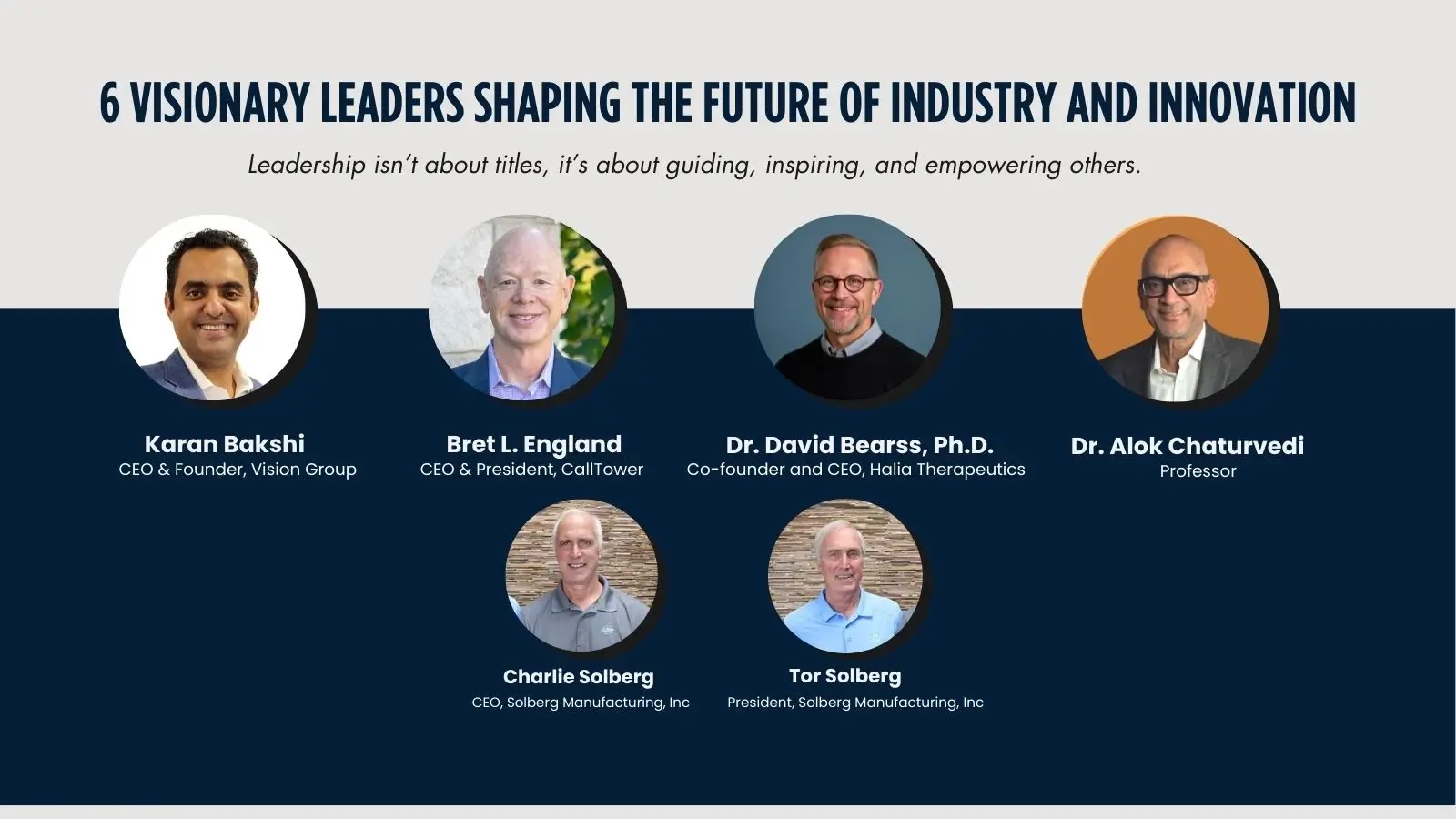
6 Visionary Leaders Shaping the Future of Industry and Innovation
Karan Bakshi, CEO: How To Build Vision-Driven Businesses That Think Beyond The Present
CEO & Founder, Vision Group
Linkedin Handle: linkedin.com/in/karan-bakshi-11538616
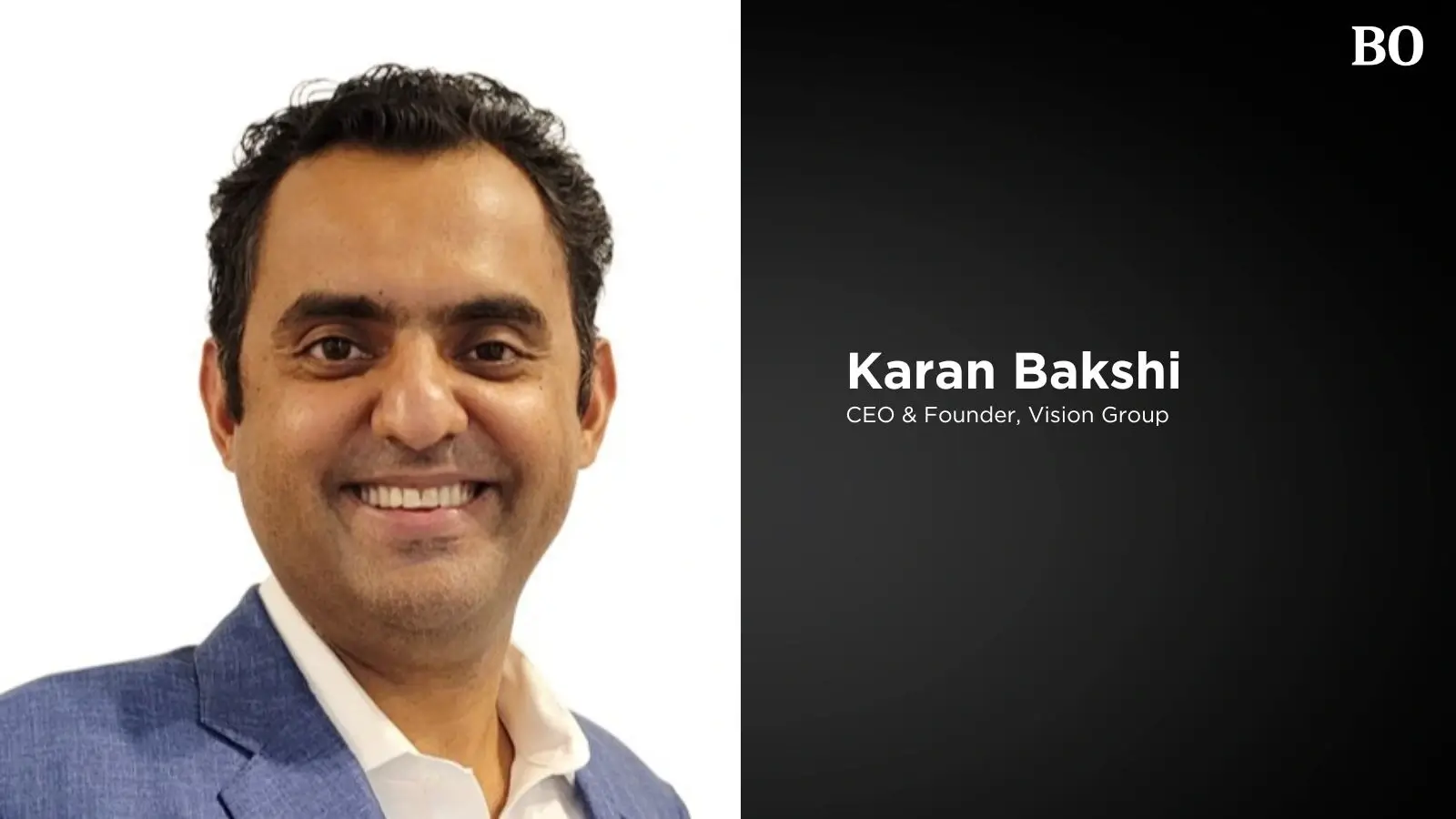
One of the factors that makes Karan Bakshi’s leadership so exceptional is the strength of the leader’s vision and the leader's relentless pursuit of value creation in the longer term. Currently, the trend among leaders and managers seems to revolve around the quest for winning in the short term. Bakshi argues that winners build an ecosystem of organizations that generate inspiration.
Behind all of his strategies, he believes in the fact that companies should foresee the future, instead of just reacting to it. This kind of thinking allows him to spot opportunities in times of complexity that others may overlook. Whether it is expanding, entering new markets in developing countries, or looming technologies in the distant future, Mr. Bakshi believes in learning while leading.
What makes his leadership style fascinating to read and learn from is that it is built on a people-centric philosophy. He believes that talent is the biggest differentiator and makes significant efforts to build such cultures in organizations where teams feel empowered to try things out and learn.
A volatile and ever-changing business environment finds a reflection in Karan Bakshi's portrayal of a CEO in today's scenario. However, his character stands for the new breed of CEO that realizes the power of having a vision and the ability to execute the same with a deep understanding.
Bret L. England, CEO & President - Redefining Communication through Trust & Innovation
CEO & President, CallTower
Linkedin Handle: linkedin.com/in/bretengland/
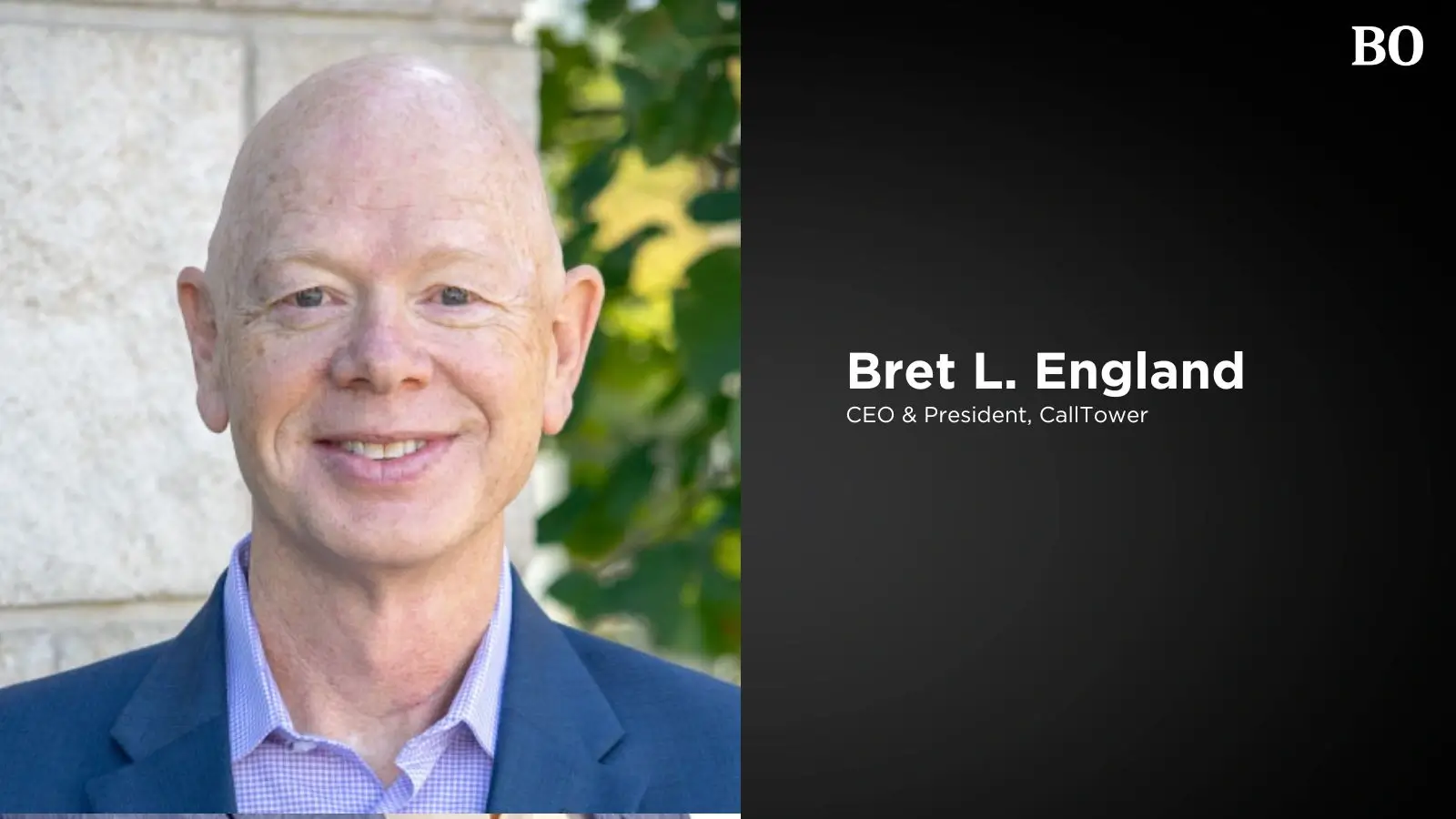
The leadership experience of Bret L. England, CEO & President, illustrates the ever-changing nature of modern communications. This environment is dynamic, rapidly moving, and highly dependent upon trust, all traits that are reflected in the leadership skills of Mr. England.
England has a very clear vision of communication in general. According to him, communication and technology are not just the same, but communication is all about "connection.”
This is what inspires England in developing systems that are not only secure, but scalable and adaptive, as well. Innovation in England's leadership is not innovation for the sake of innovation, but for solving real-world problems of businesses in a world that is becoming more and more connected.
One thing that has defined England's leadership style is its emphasis on partnership. He firmly recognizes that no company operates in a vacuum, all the more so in the communications space. Building strong relationships with clients, vendors, and internal teams, he has helped forge solutions that are not only technologically sophisticated but also operationally dependable.
Bret L. England, in an industry where lost minutes can translate into lost confidence and lost dollars, is a shining example of continued principled leadership; proving that reliability and innovation are not opposites, but strategic partners.
Dr. David Bearss, Ph.D., Co-founder and CEO: Where Science Meets Entrepreneurial Courage
Co-Founder, CEO and President, Halia Therapeutics
Linkedin Handle: linkedin.com/in/david-bearss-ph-d-072267
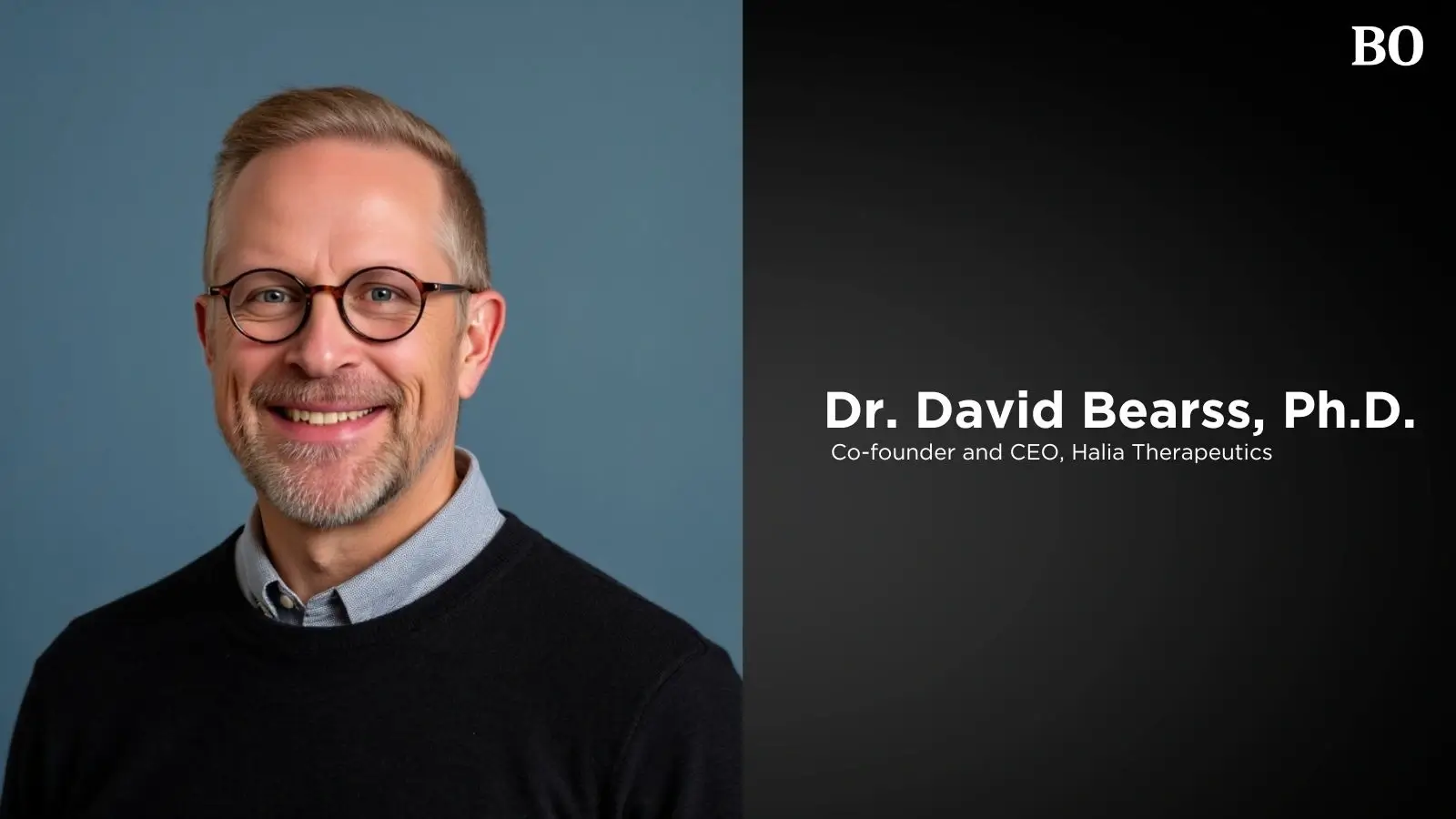
Dr. David Bearss brings a rare combination to the leadership table: deep scientific expertise and entrepreneurial boldness. His career path, from Ph.D. scientist to chief executive officer, underscores the rising importance of translation leadership-that is, the connection of basic research to its real-world applications.
Bearss has a mission to unlock scientific knowledge to make it meaningful for society in areas of high unmet needs. His style of leadership is curiosity-driven but discipline-focused. His understanding that scientific discoveries are critical but must be accompanied by an effective strategy and ethics of scaling up makes him what he is today.
One of his strongest attributes is that he is a leader of multidisciplinary teams. By constructing a collective vision with scientists, clinicians, and business executives, he instills an ambiance that is conducive to the growth and development of innovations without diluting their emphasis. Questioning, data analysis, and an attitude that failure is a learning process, not a disappointment, are inculcated in his team members.
In an industry where time to market is long and challenges are complex, David Bearss, Ph.D., is an outstanding example of R&D leadership who proves that science-based companies can indeed be visionary and successful.
Charlie Solberg, CEO, and Tor Solberg, President: Preserving Legacy While Engineering the Future
Solberg Manufacturing, Inc
Linkedin Handle: linkedin.com/in/tor-solberg-7107667

Leadership in family-run businesses is replete with and infused with a unique set of challenges and strengths. Charlie and Tor Solberg are a shining example of a leadership duo whose approach is a potent mixture of heritage and innovation and have proved, through their own example, that the needs of the past and the demands of innovation can be mutually complementary rather than opposing forces in a business enterprise.
The role of Charlie Solberg, the CEO, is set in the domain of strategic foresight. He is primarily concerned with the task of keeping his organization ahead in a rapidly modernizing world of manufacturing. It can range from adopting new technology to improving upon manufacturing efficiency, and Charlie ensures that this happens in his organization.
Running alongside this is the importance of Tor Solberg’s role as President, in which the implementation and stability of the organization are of primary importance. With his role as President, Tor brings about the necessary practical element in ensuring that visions are implemented on the ground.
Dr. Alok Chaturvedi: Bridging Knowledge & Action
Linkedin Handle: linkedin.com/in/alok-chaturvedi-794b73
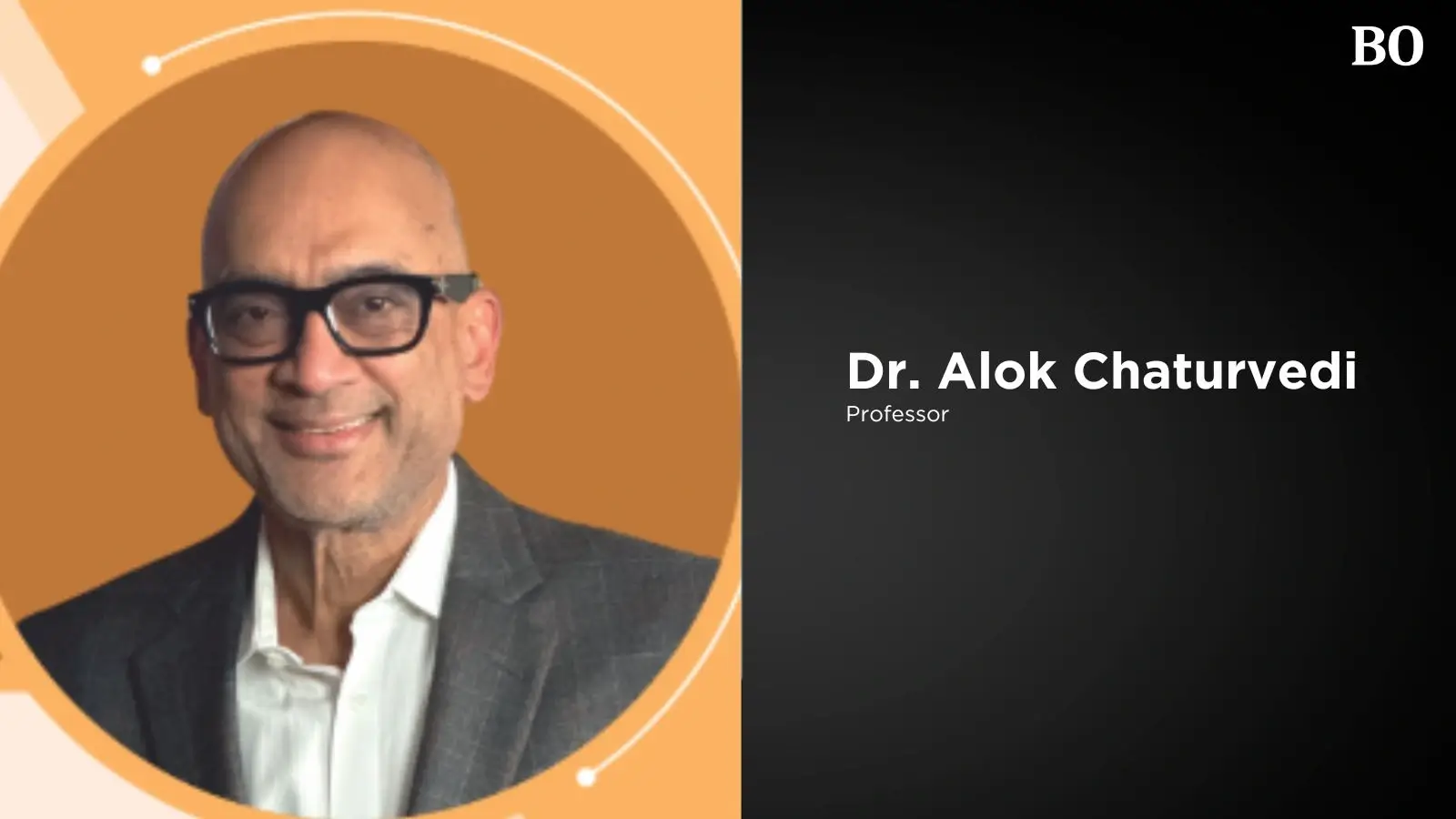
The leadership impact of Chaturvedi is not confined to the usual parameters of companies. He has always focused on ways and means of data, analytics, and intelligence systems to make better decisions, particularly within complex and high-stakes environments.
What makes him unique is the capability to put abstract ideas into practicable models. His views on technology are centered on augmenting, not replacing, human judgment. Such ideology has shaped his work in the fields of crisis management, strategic forecasting, and organizational intelligence.
Through connecting theory and practice, Dr. Chaturvedi embodies intellectual leadership that makes a difference. His example served as a reminder that in the current information explosion era, it is insight and clarity that provide a true competitive advantage.
Conclusion: Five Leaders, One Shared Truth, Leadership Shapes the Future
Though these five leaders practice in vastly different arenas, there is one discernible pattern to each of their experiences: progress is created by purposeful leadership. Either through entrepreneurial vision, scientific discovery, production expertise, or intellectual understanding, all prove a point-that leadership, at its very roots, is a question of accountability, first and foremost to people.
Their stories prove that success, at least success in the conventional sense, has become more irrelevant in terms of measurement or market share. Instead, it has become beyond these measures. In today's fast-changing world, people like Karan Bakshi, Bret L. England, Dr. David Bearss, Charlie & Tor Solberg, and Dr. Alok Chaturvedi remind one that if leadership follows vision, it can be the spark.
“Leadership isn’t about titles, it’s about guiding, inspiring, and empowering others.’
About Business Outstanders
Business Outstanders is a business magazine featuring interviews, growth strategies, and leadership insights for entrepreneurs and small business owners. If you know a business leader with a story worth telling, nominate them for a feature interview.