As hybrid and remote work models continue to shape the modern workplace, organizations face a new challenge. Virtual collaboration has become the norm, yet constant video calls, digital messages, and online tasks often leave employees disengaged and mentally drained. Zoom fatigue has become a widely recognized concern, but the deeper issue lies in sustaining connection, creativity, and motivation when people work from different locations. Teams need fresh approaches that energize communication and restore a sense of belonging. By rethinking digital collaboration and adopting more human centered strategies, organizations can create environments where remote and hybrid employees remain productive, connected, and inspired.
Reinventing Meetings for Better Engagement
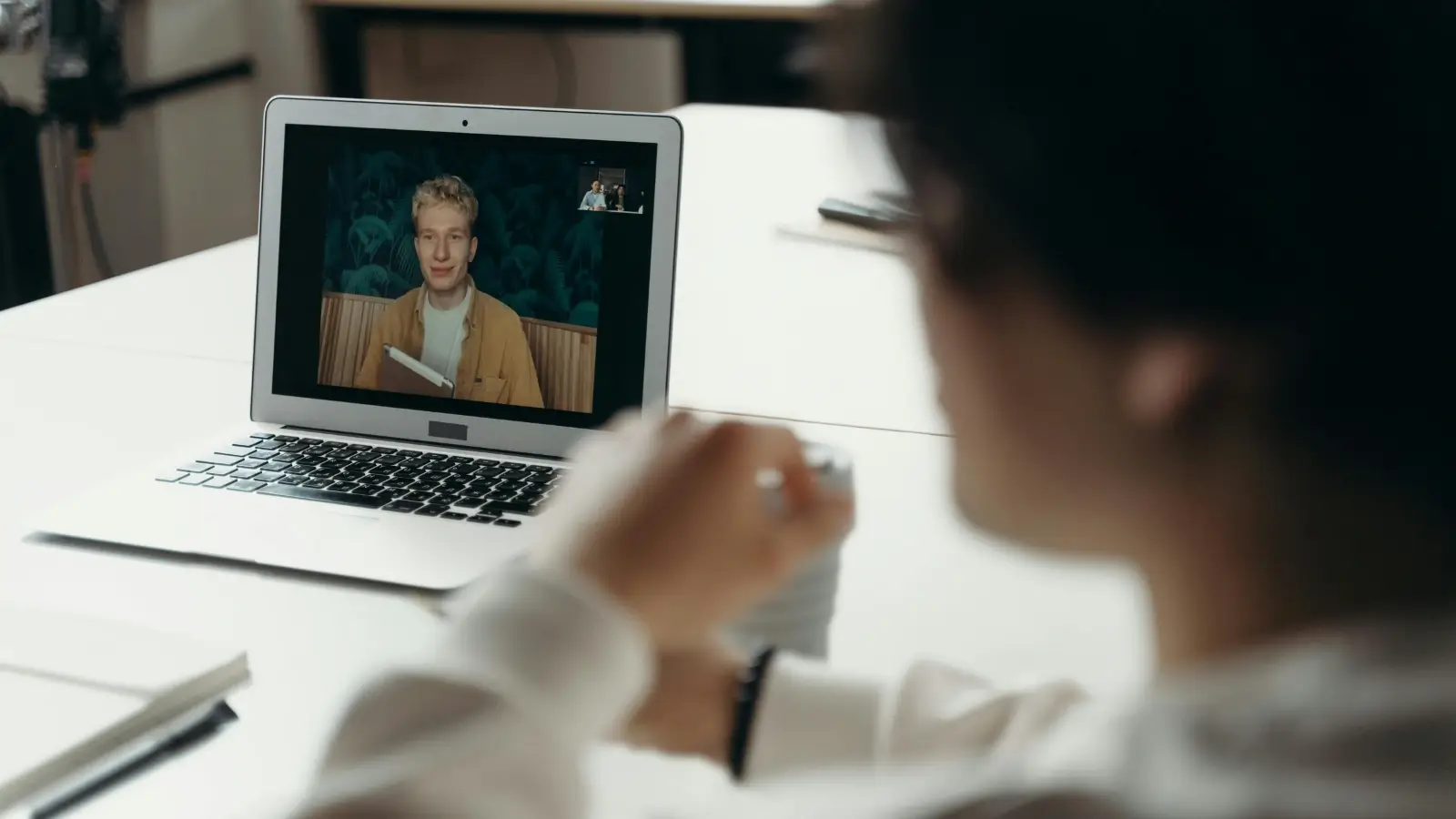
Traditional video meetings can quickly become repetitive, especially when they follow similar formats each day. Reinventing the meeting experience helps employees stay attentive and reduces mental overload. Shorter sessions with clear agendas, rotating facilitators, and built in interaction points make discussions more dynamic. Incorporating visual tools, collaborative whiteboards, or breakout groups encourages active participation instead of passive listening. Many teams have also found success replacing some meetings with asynchronous updates. Recorded video messages, shared documents, and written updates provide flexibility and reduce screen time. When employees feel their presence has purpose, engagement naturally improves.
Strengthening Team Culture Through Intentional Connection
A strong team culture requires more than scheduled check ins. Hybrid and remote teams thrive when they have opportunities to build genuine relationships beyond project work. Virtual social hours, themed online gatherings, and interest based groups allow people to connect around shared experiences. Organizations can also encourage peer recognition systems that highlight wins, new ideas, or collaborative efforts. Celebrating milestones, such as work anniversaries or project completions, boosts morale and reminds employees that their efforts are seen. Encouraging managers to hold informal one on one conversations about goals, challenges, and well being helps create psychological safety. These intentional touchpoints foster connection and reduce feelings of isolation.
Enhancing Collaboration Through Better Communication Practices
Sustainable hybrid work relies on strong communication habits that help teams stay aligned. Many organizations have shifted their focus toward improving internal communication by clarifying channels, expectations, and response norms. When employees know which platforms to use and how quickly they should reply, communication becomes smoother and less stressful. Using a mix of tools such as project management systems, group chats, shared calendars, and cloud based files reduces confusion and helps teams access information quickly. Creating guidelines for messaging tone, documentation standards, and meeting etiquette also strengthens clarity. Teams that invest in communication best practices experience fewer misunderstandings and greater cohesion.
Using Technology as an Engagement Enhancer, Not a Distraction
Technology can either empower teams or exhaust them depending on how it is used. Instead of relying on video calls alone, organizations can diversify their digital toolkits. Interactive platforms like virtual brainstorming boards or gamified learning systems can spark creativity. Productivity tools that automate repetitive tasks free employees from manual work and increase focus. Offering training on digital skills ensures everyone can navigate tools confidently, which reduces frustration. It is also helpful to encourage intentional tech breaks, such as screen free hours, outdoor walks, or time set aside for deep work. When used thoughtfully, technology supports better workflows and empowers teams to do their best work.
Creating Flexibility Within a Structured Framework
Remote and hybrid employees appreciate flexibility, but too much freedom without structure can lead to confusion or disengagement. The key is balancing autonomy with clarity. Organizations can create frameworks that define core working hours, communication expectations, and performance indicators while still allowing employees to personalize their schedules. This approach respects individual preferences and ensures teams remain aligned. Offering opportunities for professional development, mentorship programs, or virtual workshops further enriches the work experience. When employees feel supported in their growth and trusted to manage their time, they bring more enthusiasm and commitment to their roles.
Conclusion
Keeping hybrid and remote teams engaged requires more than combating Zoom fatigue. It involves rethinking communication, culture, collaboration, and technology in ways that support human connection and long term motivation. Fresh approaches to meetings, intentional relationship building, improved communication systems, thoughtful use of digital tools, and structured flexibility all play essential roles in creating energized and resilient teams. By placing people at the center of strategy, organizations can cultivate engagement that thrives beyond the limitations of virtual work. If you would like help drafting another article or exploring a related topic, I am here to assist.
Business Outstanders brings you sharp insights on tech, business, entrepreneurship, law, crypto, and more. We uncover what’s next. Stay updated, sign up for our newsletter and be part of the future!