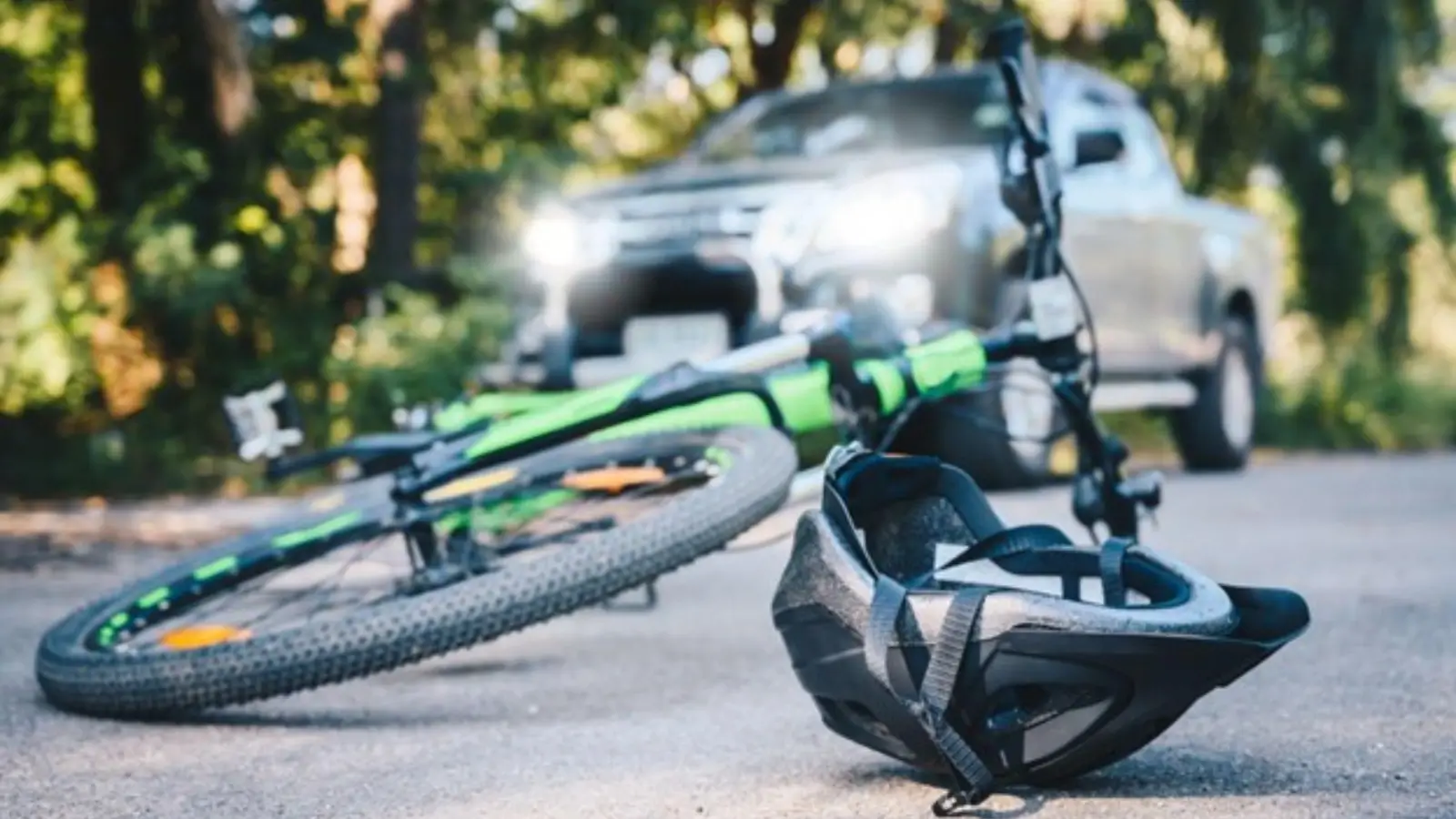
One wrong turn, one distracted driver, and suddenly, your whole world flips upside down.
That’s how most bicycle accidents begin, not with reckless riding, but with a moment that no one saw coming. The sound of screeching brakes, the thud of impact, the rush of adrenaline. In seconds, everything changes, and what you do next can shape your recovery, both physically and legally.
This blog breaks down the common mistakes cyclists make after an accident and how to avoid them, so you don’t let one incident define your future.
Forgetting to Call the Police
Some cyclists skip this step because the other party apologizes or insists it was a “minor” collision. But skipping a police report is one of the biggest mistakes you can make. Even small accidents can cause hidden injuries or damage that show up later. Without an official report, it’s your word against theirs.
Always call the police, even if the situation looks simple. The report will serve as a legal record of what happened. It helps your insurance claim and makes it easier for a bicycle accident lawyer to protect your rights later.
Leaving the Scene Too Quickly
After an accident, most riders just want to go home. They might be embarrassed, shaken, or think they’re fine. But leaving the scene too early can cost you important evidence. The scene tells the story about tire marks, vehicle position, and broken glass, all of which matter.
Take photos. Note down the driver’s details, plate number, and insurance. Get contact information from witnesses if anyone saw the crash. These small actions can save you from a long, difficult fight later. There are many different types of bicycle accidents involving vehicles, from getting hooked, crossed, or hit at intersections to being sideswiped in traffic, and each comes with its own set of challenges.
Not Getting a Medical Check
Even if you walk away feeling okay, go to a doctor. Adrenaline masks pain, and many injuries, like concussions or internal damage, show up hours or days later. By then, insurance companies might claim your injuries aren’t related to the accident because you didn’t seek medical help right away.
A proper medical report also becomes an important part of your case. It connects your injuries to the crash, leaving no room for doubt.
Admitting Fault Too Soon
It’s human nature to apologize, even when something isn’t your fault. You might say, “I didn’t see you” or “I’m sorry,” just out of reflex. But those words can be twisted later and used against you.
Instead, stay calm and stick to the facts. Let the police and insurance companies handle fault determination. Even if you think you played a part, wait until you’ve spoken with your lawyer before making any statements.
Talking Too Freely With Insurance Companies
After a crash, you might get a quick call from the other party’s insurer offering a settlement. It sounds tempting, especially when bills start piling up. But remember, their goal is to pay as little as possible.
Avoid giving recorded statements or accepting offers without advice. A single phrase or unclear detail can weaken your claim. That’s where having an experienced lawyer becomes essential. They know how to handle these conversations, make sure you’re treated fairly, and prevent you from settling for less than you deserve.
Posting About the Accident Online
It’s easy to share updates on social media after an accident, especially when friends ask what happened. But anything you post, be it photos, comments, or even jokes, can be used against you. Insurance companies often monitor claimants’ profiles to find inconsistencies.
If you post a photo smiling at a party or mention going for a short ride after the crash, they might argue your injuries aren’t serious. Keep your recovery private until your case is fully resolved.
Ignoring Legal Guidance
Some cyclists think they can handle everything alone. They gather documents, talk to insurers, and assume things will work out. Unfortunately, accident cases are rarely simple. Laws vary, evidence fades, and mistakes in early stages can lead to major losses.
Here’s what experienced legal help does for you:
- Review every detail of your case to build a strong argument.
- Deals directly with insurers, so you don’t have to.
- Calculates the real value of your damages like medical costs, repairs, lost income, and pain.
- Make sure no deadlines or legal requirements are missed.
Cyclists who get proper legal guidance often end up with fairer settlements and less stress. It’s not about being aggressive; it’s about being smart.
Believing It’s Too Late to Act
Sometimes, people wait months before realizing they should have taken legal steps. They think too much time has passed, or they feel guilty for wanting compensation. But every accident has its own timeline, and depending on your state’s laws, you might still have options.
Never assume it’s too late until a professional tells you so. Laws exist to protect victims, not punish them for taking time to recover.
Closing Thoughts
Accidents happen fast, but how you respond afterward makes all the difference. The biggest mistake isn’t falling. It’s failing to protect yourself once you do. From calling the police to getting medical help and professional advice, every action you take can influence your outcome.
If you’ve been in a crash and need someone to guide you through the legal side of things, talk to a trusted bicycle accident lawyer who understands what’s at stake. The right help can turn confusion into clarity and help you get back on track with confidence.
Business Outstanders brings you sharp insights on tech, business, entrepreneurship, law, crypto, and more. We uncover what’s next. Stay updated, sign up for our newsletter and be part of the future!