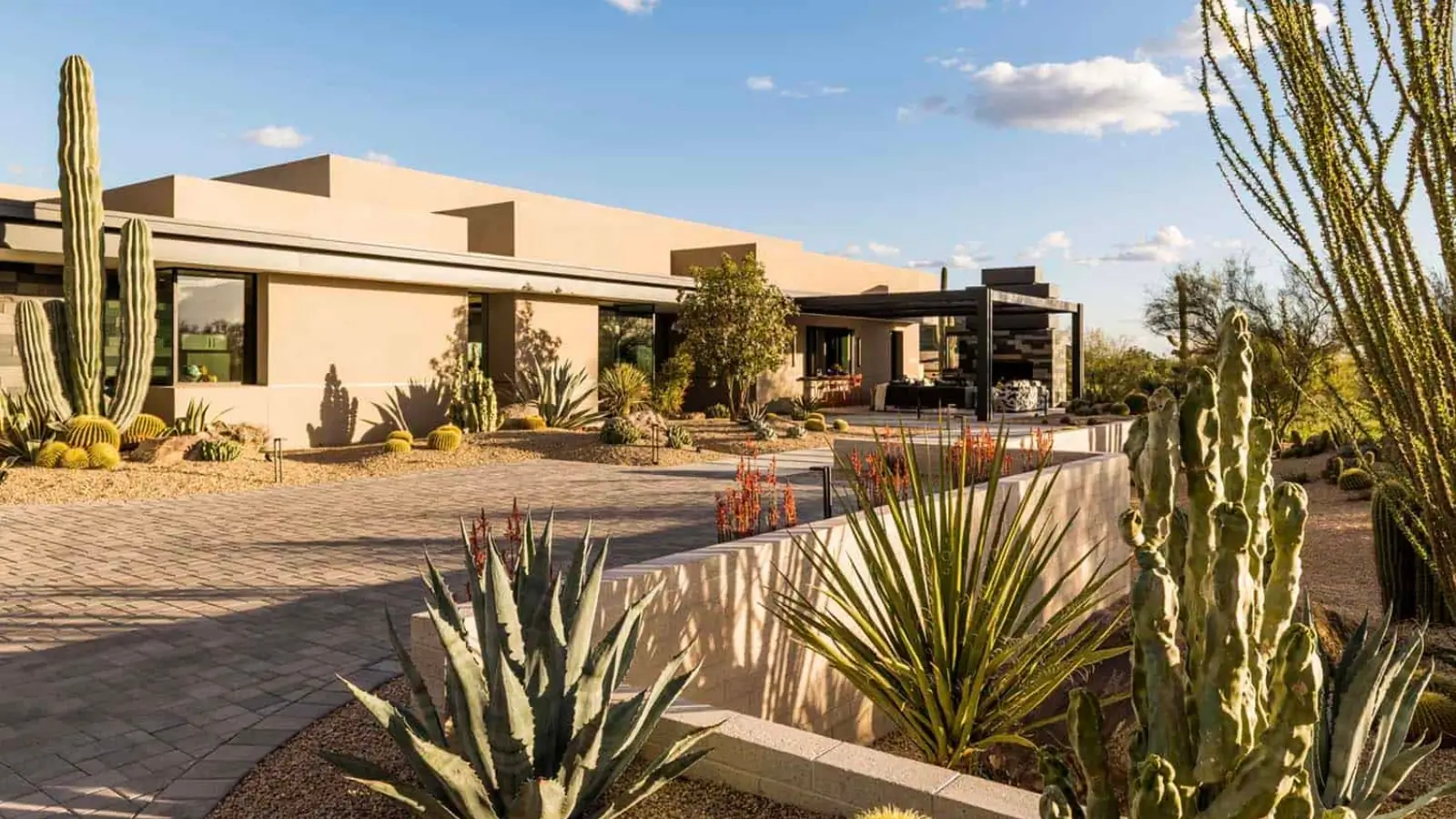
What does it mean to design a home or office where summer temperatures regularly climb above 110 degrees, the sun beats down nearly year-round, and water is one of the most precious resources? In Arizona, remodeling is less about chasing the latest interior trends and more about adapting intelligently to the realities of the desert. Every decision—from roofing material to landscaping—is shaped by the unique climate. Remodeling here requires balancing resilience, efficiency, and style, creating spaces that are both comfortable and visually rooted in the desert landscape.
Heat as a Design Force
Few climates test building materials like Arizona’s does. Roofs, walls, and windows are constantly exposed to harsh UV rays, leading to fading, cracking, and premature wear. This is why roofing materials such as clay tile, metal, or light-colored asphalt shingles dominate Arizona remodels. Unlike dark shingles, which can warp and degrade quickly in triple-digit heat, these options reflect sunlight and resist long-term damage.
Insulation is another factor that homeowners and business owners can’t afford to overlook. Many think insulation matters only in colder climates, but in Arizona, proper insulation prevents cool air from escaping, reducing strain on air conditioning systems. Spray foam, rigid boards, and radiant barriers can be especially effective. Without them, utility bills can soar while comfort levels plummet. Remodeling decisions in the desert must therefore treat heat as a constant design force—one that can’t be ignored if the goal is longevity and livability.
Building with Shade in Mind
In an environment where direct sunlight can make outdoor patios unbearable, shade becomes as valuable as square footage. Renovations often include thoughtful shading strategies: wide overhangs that shield windows, pergolas draped with UV-resistant fabric, or covered patios that transform outdoor spaces into year-round extensions of the home.
For offices, shade is equally critical. Strategic placement of reflective glass and exterior awnings reduces glare and heat gain, improving employee comfort and productivity. Window placement also plays a role; positioning openings to minimize direct afternoon sun while maximizing natural light reduces dependence on artificial cooling. By incorporating shade into remodeling plans, property owners turn outdoor areas into functional living or working spaces while protecting interiors from relentless heat.
Hiring the Right Contractors
Even the best remodeling plans can fall short without the right professionals to bring them to life. In Arizona, where climate-specific knowledge is critical, hiring contractors with experience in desert construction makes all the difference. A builder familiar with local conditions understands which materials perform best under extreme heat, how to design for maximum shade, and what upgrades truly save on energy bills. They’ll also be more attuned to local building codes and regional challenges, such as water-use restrictions or requirements for energy-efficient systems.
Property owners should look beyond price when choosing a contractor. Checking references, reviewing past projects, and confirming licensing and insurance are essential steps. It’s also wise to ask potential contractors about their experience with climate-adaptive solutions, such as cool roofs, xeriscaping, or solar integration. By selecting professional contractors like Cabinet Coatings, who understand the unique demands of Arizona’s environment, homeowners and businesses ensure that their remodel isn’t just attractive—it’s durable, efficient, and tailored to thrive in desert conditions.
Water Scarcity and Smart Solutions
Arizona’s arid climate makes water one of the most critical considerations in any renovation project. Indoors, upgrades often include low-flow faucets, dual-flush toilets, and energy-efficient dishwashers designed to reduce water use without sacrificing performance. Some remodels go further, incorporating graywater recycling systems that repurpose sink or shower water for irrigation.
Outdoors, landscaping is an extension of the remodeling conversation. Traditional grass lawns are impractical and expensive to maintain in desert conditions. Instead, xeriscaping—with native plants, decorative gravel, and drip irrigation—has become the go-to solution. It not only reduces water consumption but also creates a low-maintenance, aesthetically pleasing landscape that ties in with Arizona’s natural beauty. Every water-conscious remodeling choice contributes to both sustainability and lower monthly bills, making it a smart long-term investment.
Energy Efficiency in the Desert
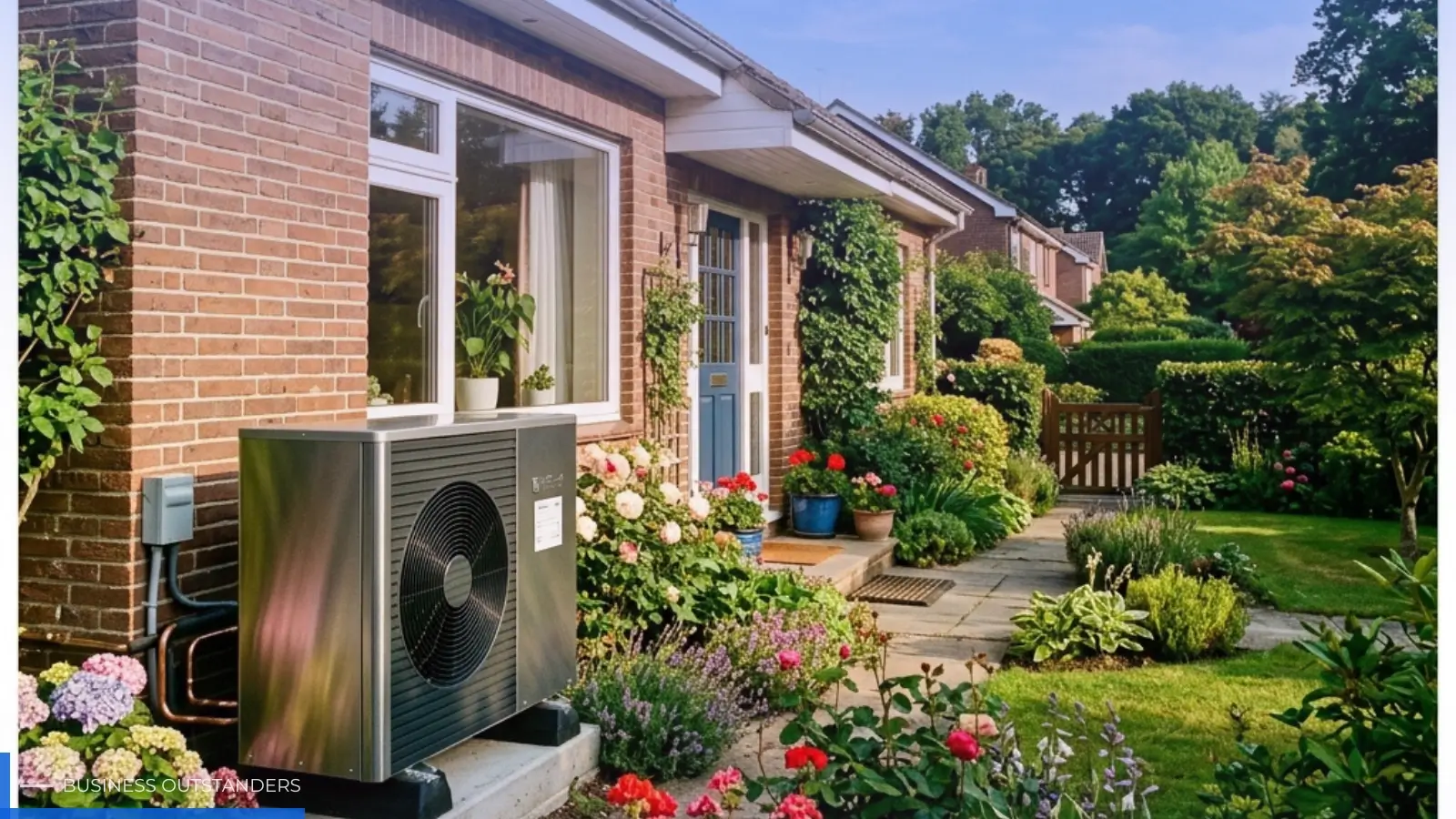
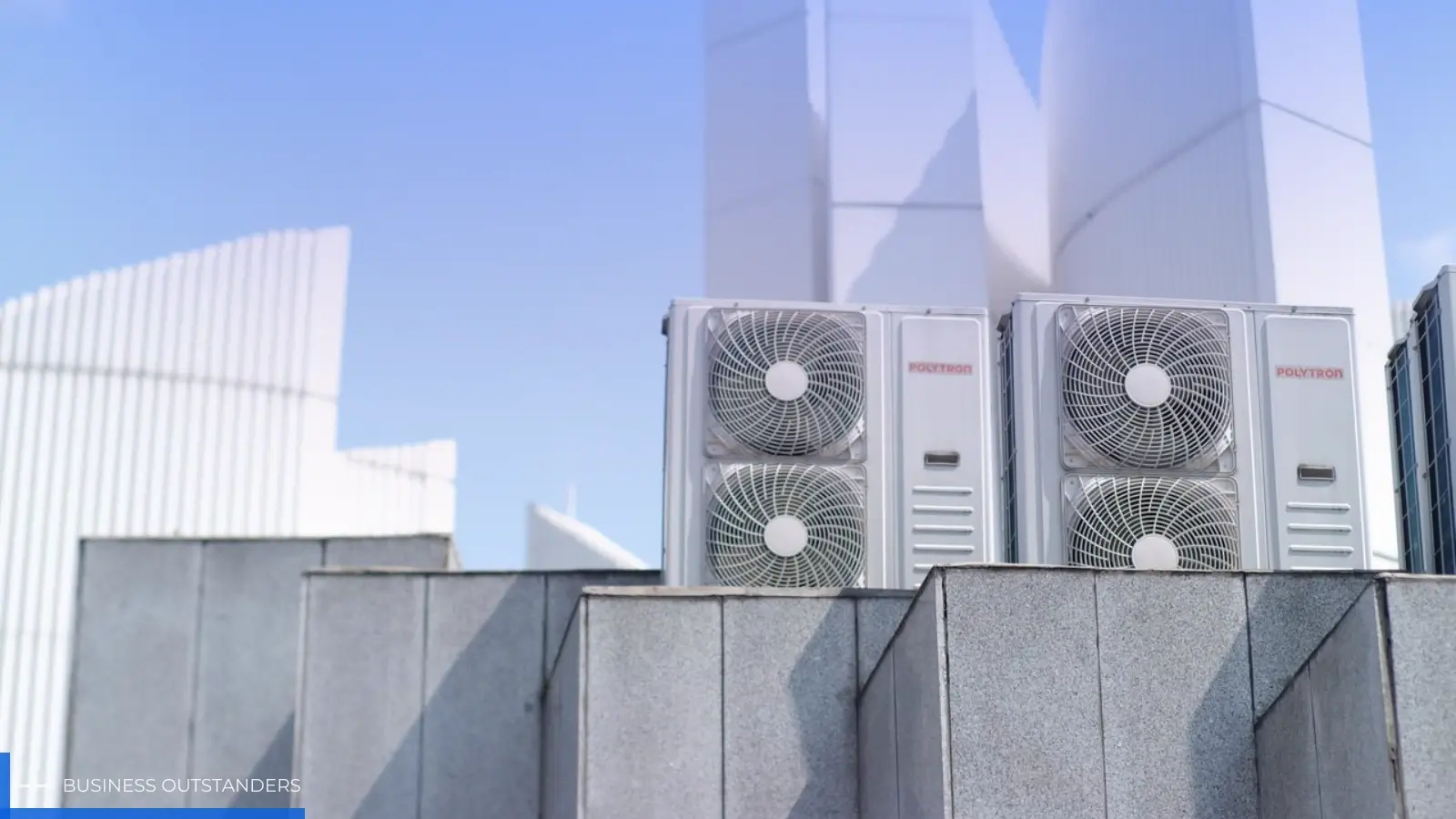
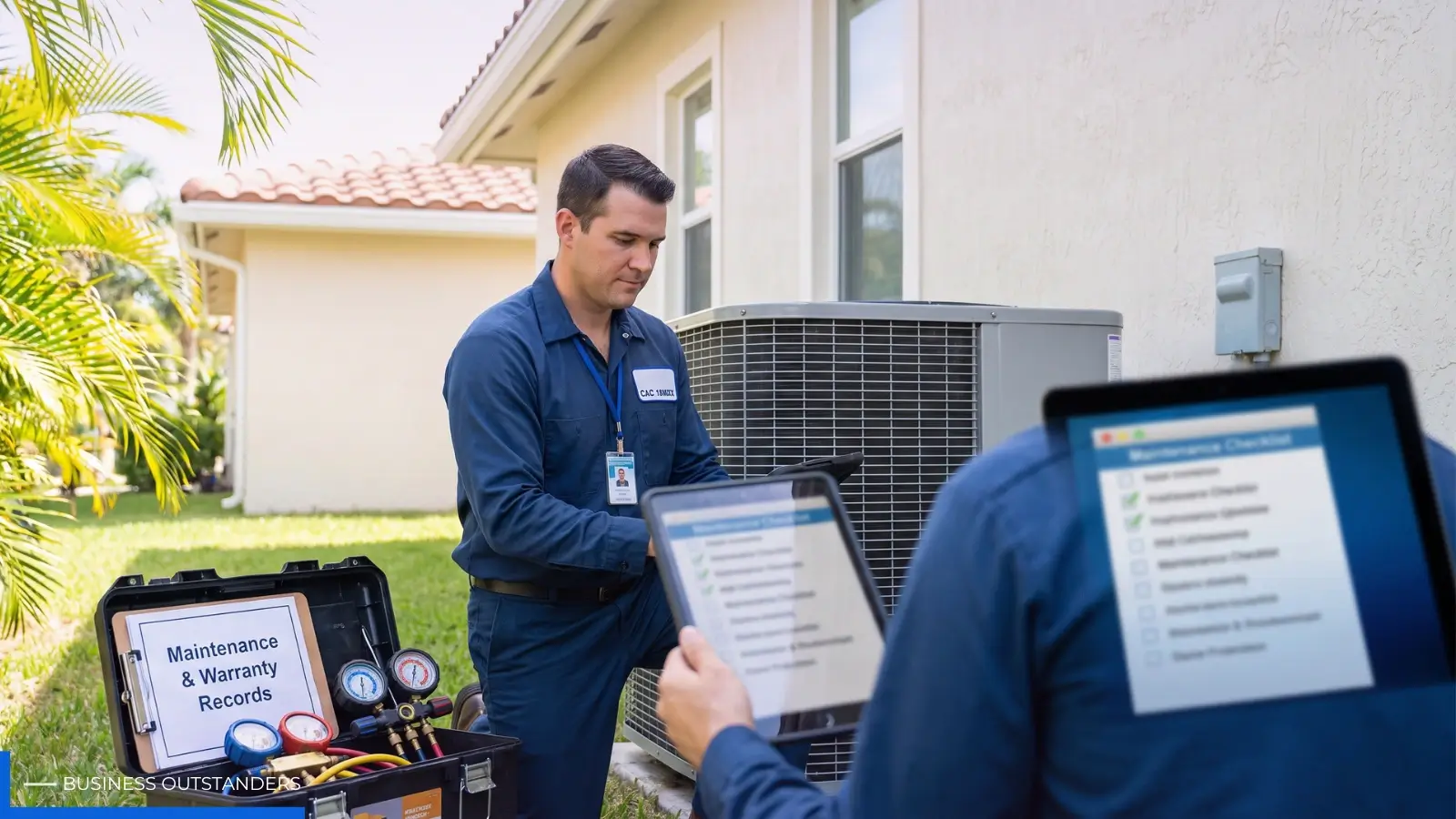
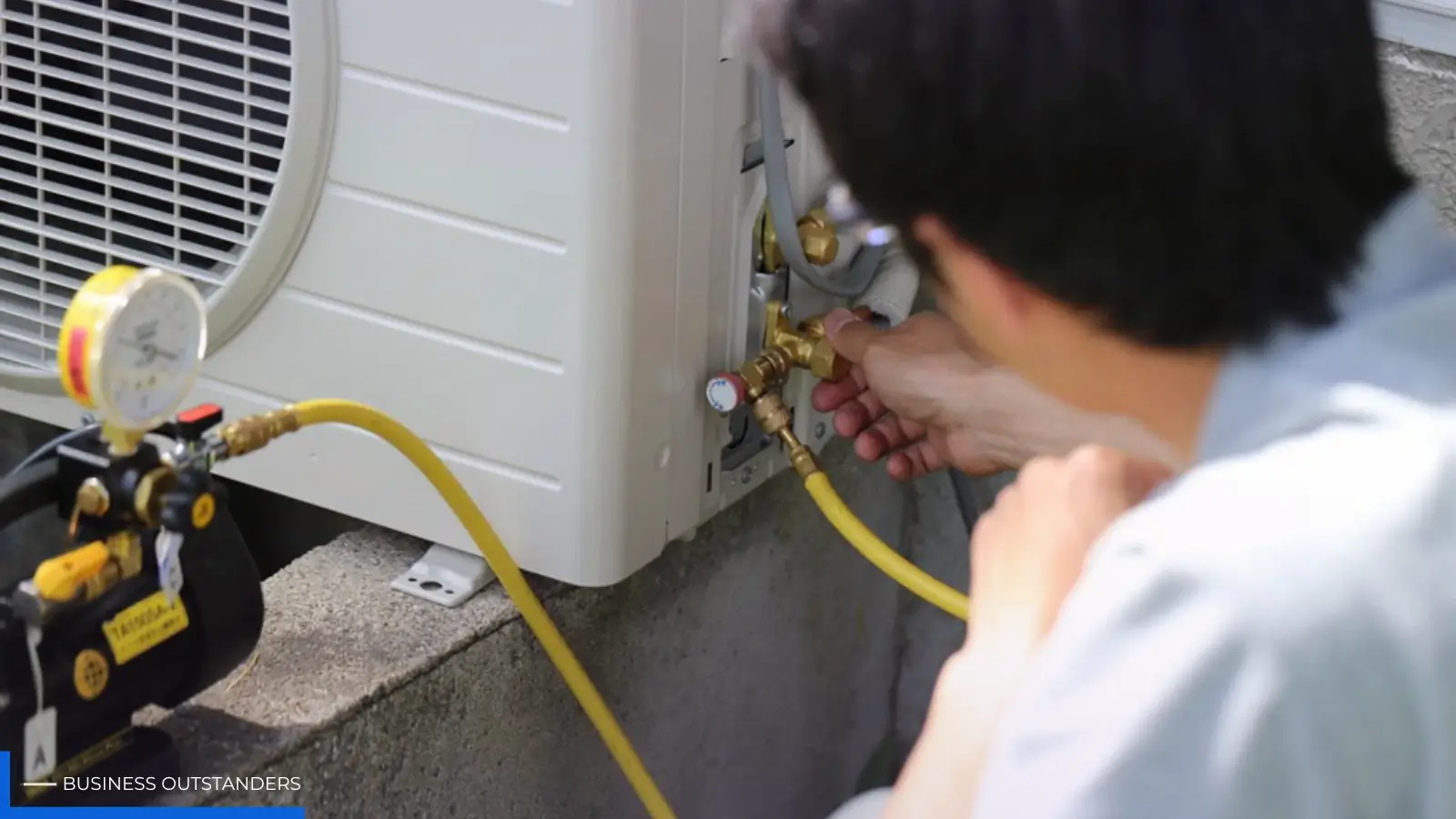
Cooling costs in Arizona can account for a significant portion of household or office energy use, especially during summer months. Renovations that prioritize efficiency offer some of the highest returns on investment. Beyond insulation and sealing, homeowners often opt for reflective roof coatings, energy-efficient windows, and advanced HVAC systems designed to handle extreme heat.
Solar panels are another popular addition, with Arizona averaging over 300 days of sunshine per year. For many, remodeling projects present the perfect opportunity to integrate solar technology, reducing reliance on the grid while cutting energy costs. Paired with smart thermostats and energy monitoring systems, these upgrades make it easier to maintain comfort while managing expenses. Energy efficiency in desert remodeling isn’t just a buzzword—it’s a necessity that directly impacts both lifestyle and property value.
Aesthetic vs. Practicality
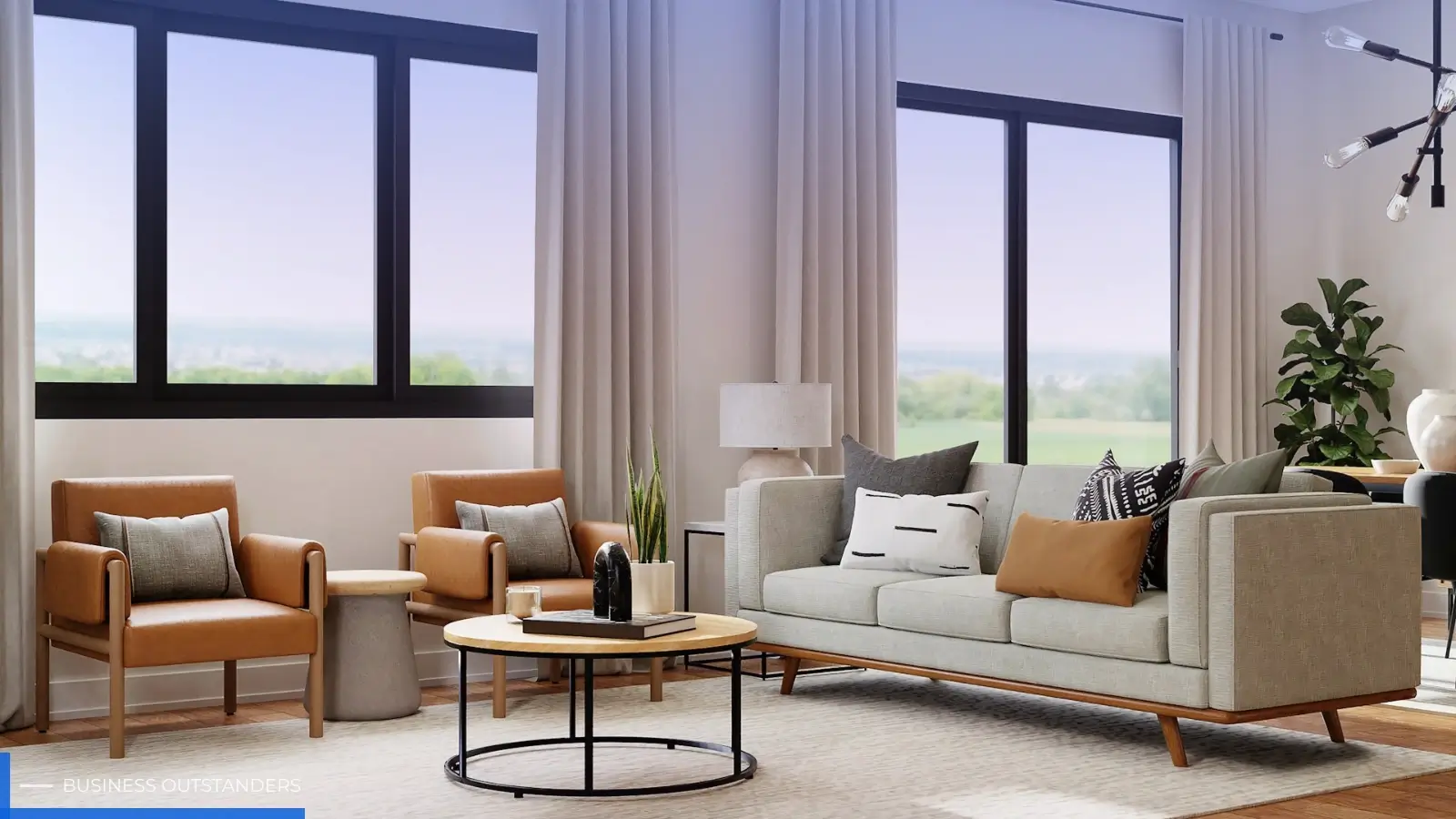
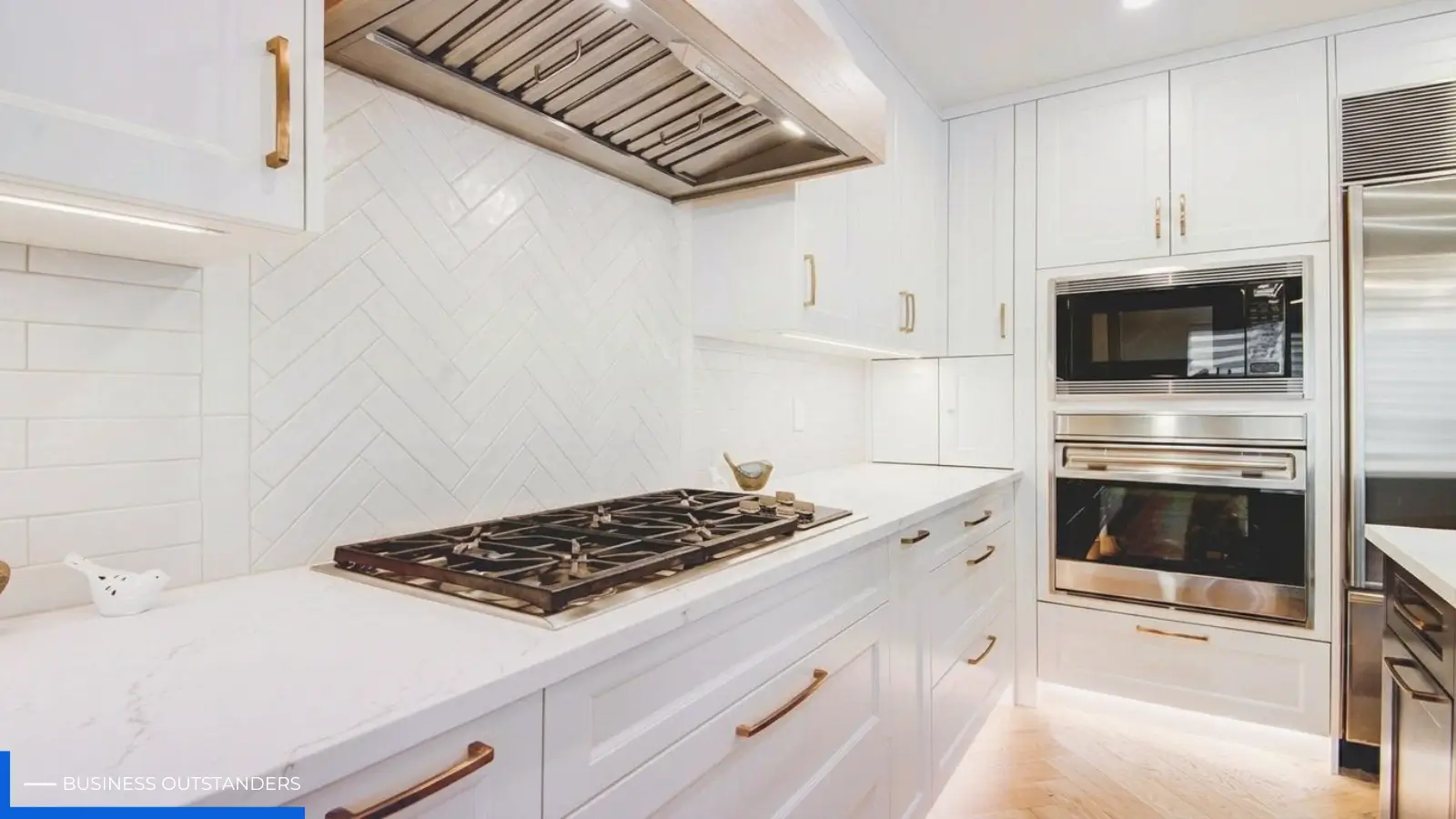
While practicality often drives remodeling decisions in Arizona, aesthetics are far from neglected. The desert has a unique style, and remodeling projects frequently embrace Southwestern influences. Earth tones, stucco finishes, adobe-inspired walls, and natural stone are staples that reflect the surrounding landscape while standing up well to heat and sun.
The challenge lies in blending tradition with modernity. A remodeled home might feature rustic wood beams or terracotta tiles alongside smart lighting systems and advanced insulation. Offices might adopt sleek, minimalist designs while incorporating stone facades or desert-inspired color palettes. This balance between heritage and technology creates spaces that are not only functional but also uniquely Arizonan, showcasing how remodeling can celebrate regional identity.
Longevity and Maintenance
Desert conditions accelerate wear and tear in ways that may surprise newcomers. UV rays cause paint to fade and crack, while extreme temperature swings—from scorching days to cool nights—can stress building materials. Remodeling with longevity in mind means choosing UV-resistant paints, sealants, and finishes that can withstand the desert sun.
Dust is another factor that can’t be ignored. Arizona’s dry climate means dust infiltrates homes and offices easily, clogging HVAC systems and settling on surfaces. Renovations that incorporate high-quality air filtration systems or easy-to-clean flooring reduce long-term maintenance headaches. Roofs, too, require more frequent inspections, as heat can speed up deterioration. By planning for maintenance during remodeling, property owners protect their investment and extend the life of their improvements.
Conclusion
In Arizona, remodeling isn’t just a matter of taste—it’s an exercise in adaptation. Every material, layout, and feature must account for the realities of desert life, from the relentless heat to the scarcity of water. Homes and offices that embrace shade, energy efficiency, and water-wise design not only perform better but also stand as reflections of Arizona’s unique identity. Designing for the desert means creating spaces that are resilient, sustainable, and comfortable, proving that the climate doesn’t just shape daily life—it shapes how we build for the future.
Business Outstanders brings you sharp insights on tech, business, entrepreneurship, law, crypto, and more. We uncover what’s next. Stay updated, sign up for our newsletter and be part of the future!