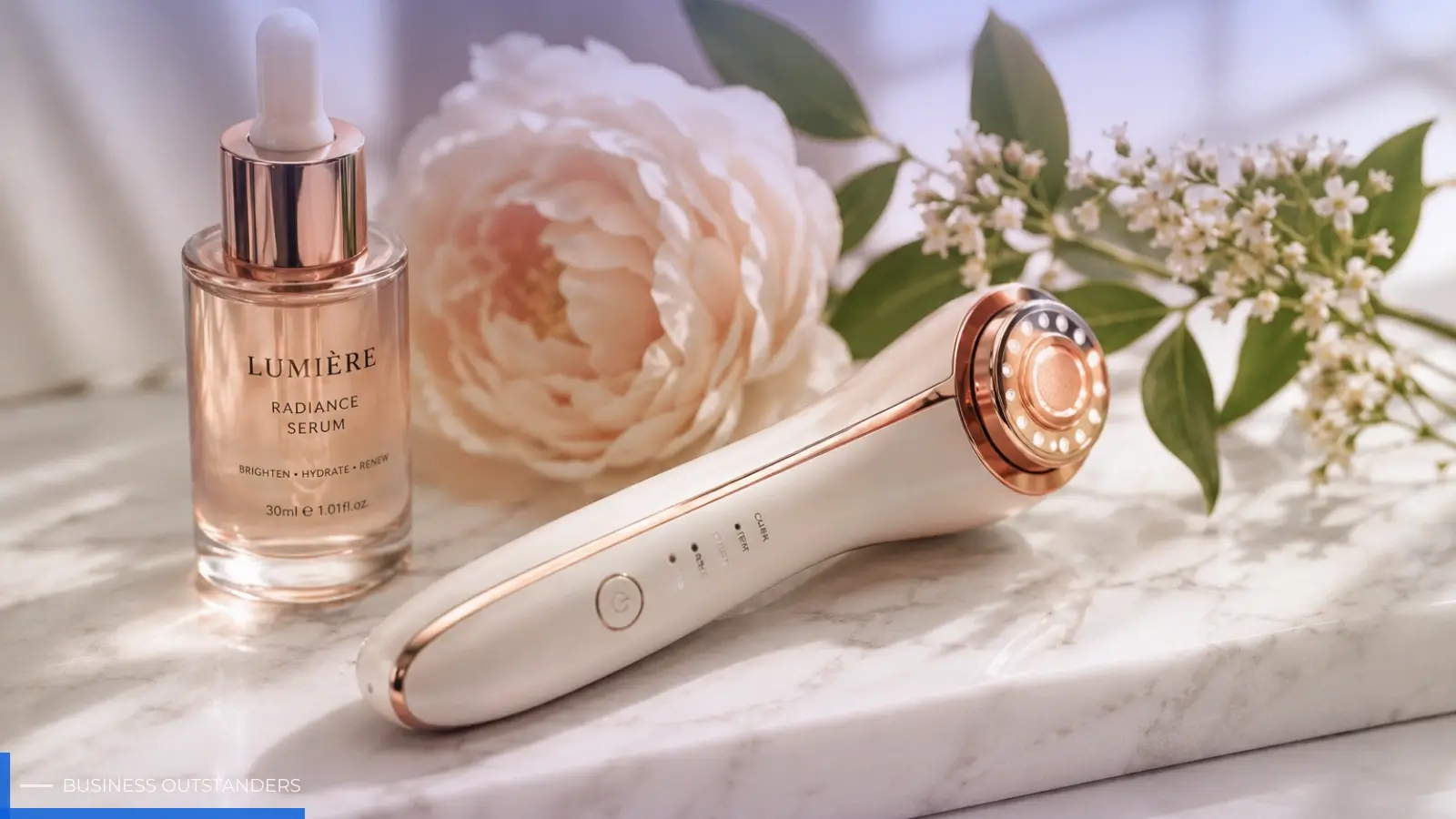
There was a time when serious anti-aging results meant a standing appointment with a dermatologist, a suite of clinical treatments, and a budget to match. That era is fading. Today, a new generation of intelligent skincare devices is bringing professional-grade technology directly into the hands of the consumer — and the results, increasingly, speak for themselves.
The shift has been driven not just by innovation, but by demand. Skincare-savvy consumers want more than a moisturizer — they want measurable outcomes. Devices that harness radiofrequency energy, microcurrent stimulation, and red light therapy are now sophisticated enough to rival in-clinic treatments at a fraction of the cost. Take, for example, the Anti-Aging & Skin Tightening Handset — a compact device that combines multiple proven technologies into one sleek tool designed for daily at-home use.
Why Beauty Technology Is Having Its Moment
The convergence of clinical science and consumer accessibility has created a perfect storm for beauty technology. Advances in miniaturization mean that the same radiofrequency wavelengths once reserved for hospital-grade machines can now be safely delivered through a handheld device. Meanwhile, growing awareness around ingredients and skin biology has created a consumer base that is informed, discerning, and ready to invest.
Luxury wellness, once defined by the spa experience, has migrated home. High-performance skincare devices have become the new status purchase — a marker of both self-care commitment and aesthetic sophistication.
Understanding the Technology Behind the Results
Modern anti-aging devices typically work through one or more of three key mechanisms: radiofrequency (RF) energy, microcurrent stimulation, and red light therapy. Each targets a different layer of skin aging, which is why combination devices are rapidly becoming the gold standard for wrinkle reduction and skin rejuvenation.
Radiofrequency energy heats the deeper dermis, stimulating collagen and elastin production — the structural proteins responsible for firm, plump skin. With consistent use, RF treatments are widely associated with improved skin laxity and a visible reduction in fine lines.
Microcurrent technology, often called the “non-surgical facelift,” uses low-level electrical currents to re-educate facial muscles and improve overall contour. It’s a favourite among aestheticians for its ability to lift, define, and tone without any downtime.
Red light therapy, meanwhile, works at the cellular level — boosting ATP production and accelerating skin repair. It’s valued not only for its anti-aging properties but also for reducing inflammation and promoting an overall luminous complexion.
The Ritual Dimension: Self-Care as a Luxury Practice
Part of the appeal of at-home beauty technology goes beyond efficacy — it’s the ritual. In a culture increasingly conscious of burnout and the need for intentional self-care, the act of dedicating time to one’s skin has taken on near-meditative significance.
A well-designed skincare device doesn’t just treat your skin; it transforms an evening routine into something closer to a luxury spa experience. The sleek aesthetics, the quiet hum of the device, the cool glide of the handset across the skin — these sensory details are not incidental. They are part of why beauty technology has found such a devoted following among those who approach wellness as a lifestyle, not a chore.
What to Look for in a High-Quality Skincare Device
With the market now flooded with options, discernment is key. The most effective devices share a few important qualities: they combine multiple modalities for comprehensive results, they are clinically informed in their design, and they are built to be both safe and intuitive for home use.
Look for devices that address specific concerns — whether that’s sagging skin, deep-set wrinkles, or loss of facial definition — while being gentle enough for sensitive skin types. Multi-technology platforms that layer RF, microcurrent, and light therapy into one seamless experience offer the most complete approach to youthful skin maintenance.
Frequency matters, too. Unlike a one-off clinical procedure, the real power of at-home devices lies in consistency. The best results come to those who integrate these tools into a regular routine, building cumulative effects over weeks and months.
The Bigger Picture: Where Skincare Technology Is Heading
We are only at the beginning of what beauty technology can deliver. Emerging developments in AI-guided skincare analysis, personalized treatment protocols, and bio-responsive materials suggest that the at-home device of the next decade will be more intuitive, more effective, and more deeply integrated into the personal wellness experience than anything currently on the market.
For now, the message is clear: luxury skincare is no longer exclusively the domain of the clinic. It lives on your bathroom shelf, in your evening routine, and in the quiet, intentional act of caring for your skin with intelligence and consistency.
Final Thought
The most compelling thing about the current wave of anti-aging skincare technology is not just what it can do — it’s what it represents. A reclaiming of agency. A belief that great skin is not a matter of genetics or access to expensive clinics, but of knowledge, investment, and daily intention. In that sense, the best skincare device isn’t the most complicated one. It’s the one you will actually use.
Business Outstanders brings you sharp insights on tech, business, entrepreneurship, law, crypto, and more. We uncover what’s next. Stay updated, sign up for our newsletter and be part of the future!