Out there among crowded campers and travel trailers, builders face tough demands to make vehicles that last, feel good inside, and stay useful over the years. Design draws eyes at first glance; yet once buyers drive off, it is the rooftop they notice most when things go wrong. A solid top layer changes everything - fewer repair calls come in, less money spent on guarantees, fewer unhappy voices online. Choose strong coverings made of PVC, and see how often problems vanish later. Long run? It shows up not in brochures but in quiet trust people build while using what you built.
The Hidden Impact of Roofing on Customer Satisfaction
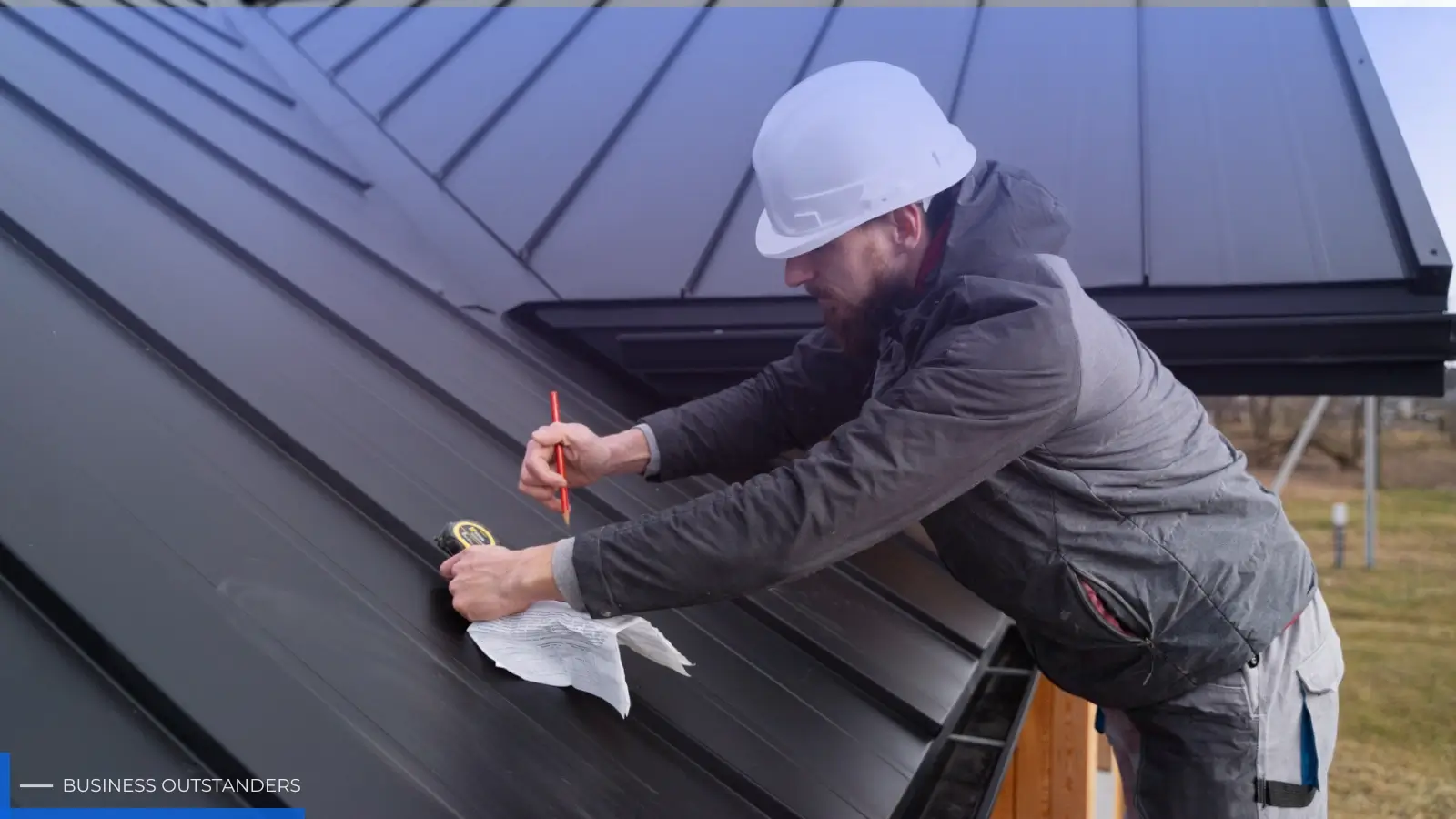
Overhead, an RV's roof does way more than cover things up - it stands between the inside and whatever weather shows up. When sunlight hammers down, rain pours sideways, or leaves pile on top, the material holds firm through months of change. Toughness matters because every season brings something new: heat that warps, cold that cracks, wind that carries junk. This part of the vehicle stays active, never getting a break from sunbeams, storms, or falling branches.
Roofs giving out? That usually means trouble. Leaks let water sneak in, followed by mold showing up where it shouldn’t. Insulation gets soaked, wood weakens - slow decay sets in without warning. Many RV users see these patterns again and again. Repairs pile up fast, costing more than expected. Warranty filings rise when things go wrong too often. People remember bad fixes, not promises made on paper. Trust fades a little each time something breaks down.
When things go wrong after a sale, makers feel it right away - trust slips, profits shrink. Fixing problems early, especially how materials are picked, turns out to be one of the smarter moves they can make.
PVC Roofing vs. Traditional Rubber Alternatives
Roofs on RVs once leaned heavily on rubber stuff like EPDM or TPO. Though cheaper at first glance, because of price tags, these options tend to wear down faster over time. Durability becomes a problem after years pass by. Performance dips when weather beats down hard season after season. This is why many are shifting toward high-performance roofing systems that prioritize longevity and consistency under stress. What seems okay today might leak next year under hot sun or icy frost.
Still, PVC roofing sheets stand out more each year. What holds up well comes down to how they handle sunlight. Where rubber splits or fades after years outside, these sheets stay strong. Their shape stays put, thanks to tough makeup when hit by UV rays again and again.
PVC sheets handle wetness and chemicals better than average. Because of this, leaks happen far less often, which matters since drips and seepage lead to plenty of buyer frustration after installation. Seams fused by heat in these roofs stick together tighter, shutting out water more effectively when lined up against glued joints found on numerous synthetic rubber setups.
Durability That Reduces Warranty Claims
Years go by without much upkeep needed on rooftops. When something gives out too soon, payouts add up fast for makers. Long-lasting performance cuts down these expenses. Problems during service life mean big repair bills show up instead.
What keeps PVC roofs going strong? A solid track record of lasting through the years without giving up. Bouncing back from rough treatment comes naturally, thanks to tough skin against cuts, scrapes, or weather surprises. When storms roll in or roads turn rocky, these covers hold firm - perfect for mobile life under shifting skies. Fewer problems pop up down the line, meaning less fuss over fixes and far fewer repair requests tied to guarantees.
Starting out with better materials might cost more, yet it often leads to big savings later on. Since gear lasts longer, fixes happen less often, leaving room to shift time and money where they’re needed most.
Solar Reflectivity and Energy Efficiency
Bright PVC roofs bounce back lots of sunlight. Because these white surfaces deflect heat, the inside of an RV stays cooler during hot days. Cooler interiors mean people feel more at ease without waiting for slow temperature shifts. Less need for constant cooling cuts down how often AC units must run.
Folks who buy things care about how little power something uses - it just makes life easier. When companies build gadgets that sip electricity instead of gulping it, people notice. Meeting that want isn’t rare these days, yet standing out still matters. Choices shift toward greener options slowly, but steadily. Making devices that fit this change keeps brands relevant without shouting about it.
Heat builds up under most rubber roofs, making indoor spaces warmer than they should be. That extra warmth pushes cooling systems to work harder, using more power. With years passing, the discomfort grows noticeable. People start to feel let down by how poorly it performs.
Long-Term Reliability and Brand Reputation
When it comes to RVs, how well a brand holds up often hinges on whether its vehicles work as promised. A single weak spot might not matter much - yet repeated problems eat away at confidence fast.
A roof giving way hits hard, since trouble spreads fast once water gets inside. One small gap might harm several parts of the vehicle, making the whole situation seem worse than it started. When companies choose stronger roofing stuff, their name tends to stay intact out there among buyers.
By choosing PVC RV roofing, manufacturers can deliver a more reliable product that meets customer expectations over the long term. This not only reduces complaints but also fosters brand loyalty and positive word-of-mouth.
What to Look for in a Quality PVC Roofing Supplier
Right materials matter, yet a trustworthy supplier holds just as much weight. Teams buying supplies must look at how long a company has made products, whether their output stays steady, how they check quality, while also confirming if they hit exact manufacturer standards.
A solid supplier brings help when problems pop up, lays out details plainly, shows they have delivered top-tier materials before. When making things, staying steady matters - each piece must match the last, so flaws stay rare and differences small.
Take Ronald Mark Associates. A U.S. maker of PVC RV roofs since 2010, they supply both OEMs and the replacement market, a scope that demands consistent quality across very different customer needs. Over a decade of doing this well is itself a signal worth paying attention to when choosing a manufacturer.
Reducing Post-Sale Complaints Through Better Material Choices
Aiming high, every RV maker wants buyers to be happy with what they get. Though plenty of shapes how folks feel later, roof durability weighs more heavily than most parts after purchase.
Starting with tougher stuff - like PVC roofs for campers - helps makers tackle frequent gripes head-on. Because it lasts longer, there are fewer comebacks under warranty. Happier owners stick around when things hold up as promised.
When buyers pay close attention to what others say online, how a company handles problems after selling matters more than most realize. Fixing things fast builds trust without needing loud promises. A single smooth resolution often speaks louder than ads ever could.
The Roof Decides More Than You Think
A shift is happening in how RVs get built - materials matter more now than before. Roofs might seem minor when planning builds, yet they shape how well units hold up over time. What lies on top affects comfort inside just as much as parts underneath do. Longevity shows itself most where people least expect it. Satisfaction grows quietly through dependable performance, not flashy features.
PVC roofing sheets last longer than old-style rubber ones, handling sun exposure far better while standing up to weather wear. When motorhome builders choose these covers, fewer customer issues pop up after purchase, repair bills drop, and trust grows slowly over time.
One wrong roof choice can ripple through a company faster than expected. When buyers and leaders choose better materials, they’re not ticking boxes - they’re shaping how well the business runs day to day. Trust from customers often hinges on details most overlook. Strong roofs do more than keep rain out - they signal reliability without saying a word. How buildings hold up quietly affects reputation more than many admit. Decisions made today in purchasing echo in service delivery tomorrow. The weight of long-term outcomes rests on what seems like a routine buy.
Business Outstanders brings you sharp insights on tech, business, entrepreneurship, law, crypto, and more. We uncover what’s next. Stay updated, sign up for our newsletter and be part of the future!