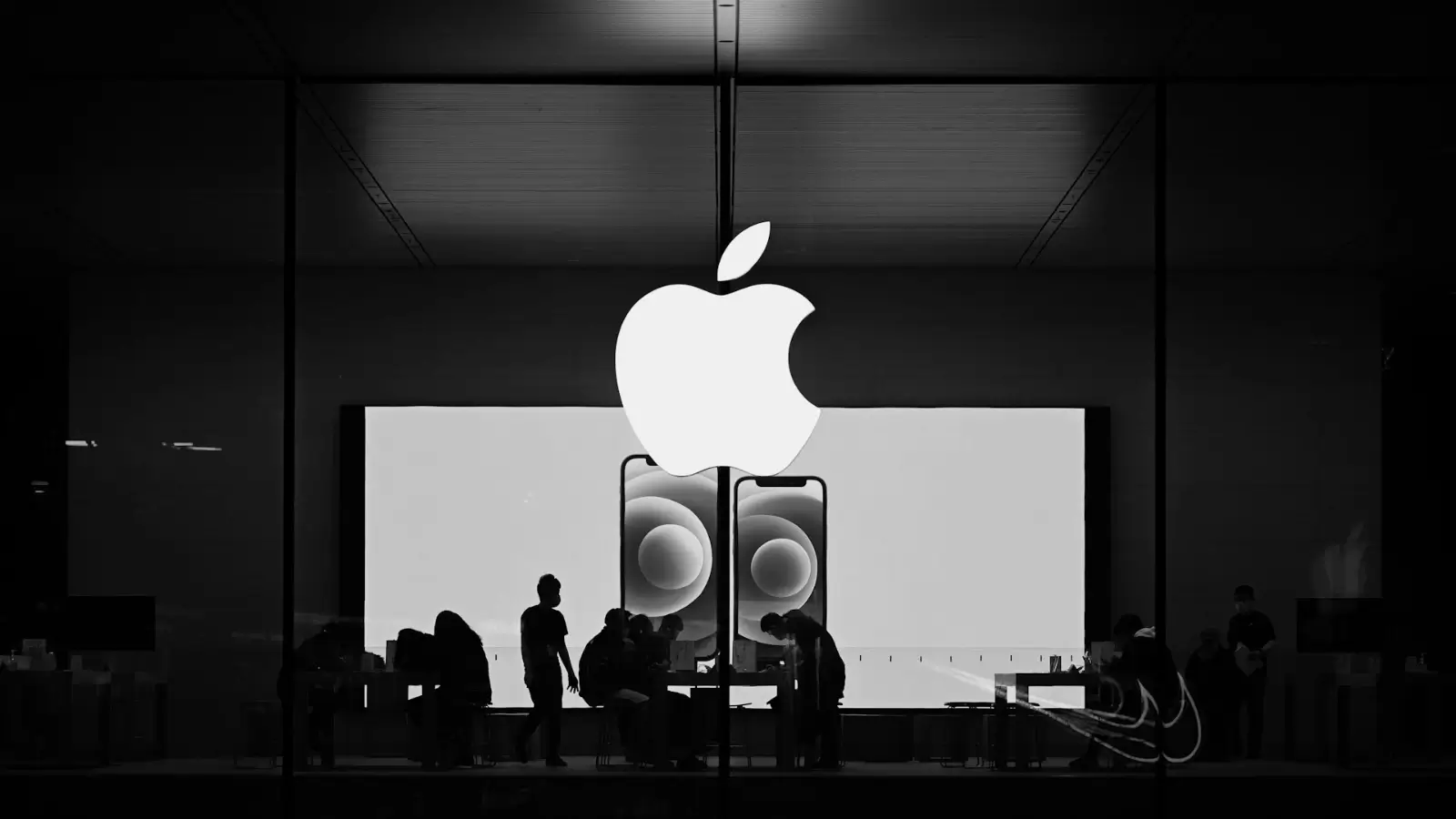
Apple has made a big move towards responsive devices by acquiring Israeli startup Q.ai, which develops advanced sound and face recognition technology. The value of the deal was not disclosed, but reports have said it could be worth up to $2 billion. This would become Apple’s second-largest acquisition after Beats Electronics for $3 billion in 2014.
Q.ai is focused on imaging and machine learning, including the ability to recognize whispered speech and improve sound quality in noisy settings. This tech may help beef up features on Apple’s AirPods, as well as the audio duties across its devices.
What makes it special is that it’s designed to pick up tiny facial movements that let people know what you’re saying, even if you’re not saying anything out loud. This could enable future Apple devices to determine what someone means without users having to even say anything — maybe just watching their faces.
A patent application filed by Q.ai describes how tracking minuscule skin movements might have applications to reading silent speech, identifying the speaker and even measuring emotion, heart rate or breathing. Apple has yet to say how it will use this technology, but the acquisition provides a window on its increasing investment in technologies that can help make its gadgetry more personal and intuitive.
Apple has already built features like live translation directly into AirPods and is considering how to make its devices more adept at accounting for disparate sound conditions. The new tech could also be a boon for products such as the Vision Pro headset, which relies on reading facial movements to enable hands-free use.
Q.ai was founded in 2022 and has some big name backers, including Kleiner Perkins and Gradient Ventures. Q.ai’s entire team, which includes CEO Aviad Maizels, will move to Apple. Maizels sold another company, PrimeSense, to Apple in 2013. That arrangement also aided Apple in transitioning from fingerprint scanning to Face ID on iPhones.
Apple’s head of hardware said that Q.ai’s work was “both creative and promising.” The arrangement is also an indication of how quickly the race in AI and smart hardware is accelerating among the major tech companies. For Apple, there’s the potential to quietly stand out by giving itself more control over how its devices see and hear the world.
Business Outstanders brings you sharp insights on tech, business, entrepreneurship, law, crypto, and more. We uncover what’s next. Stay updated, sign up for our newsletter and be part of the future!