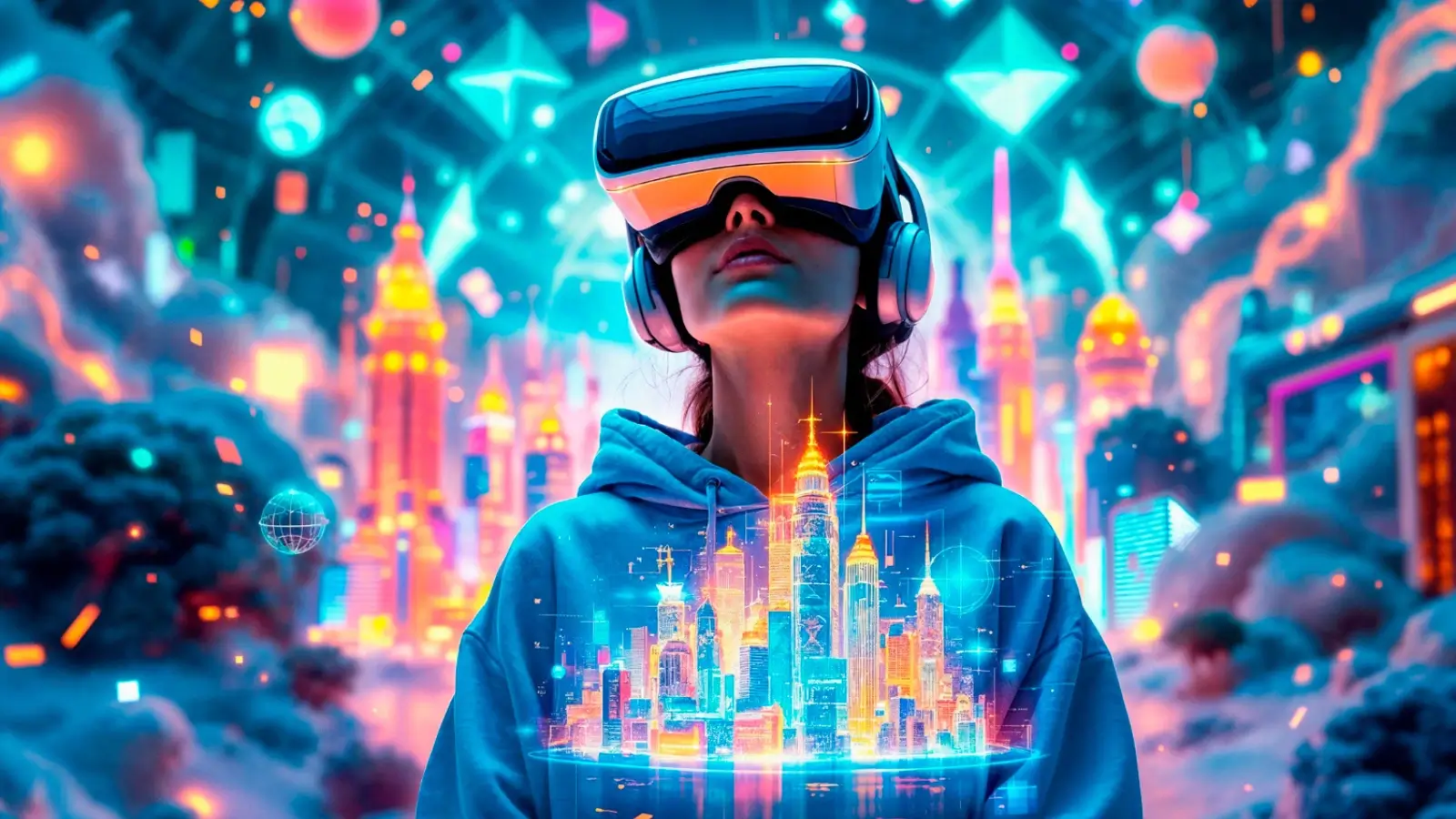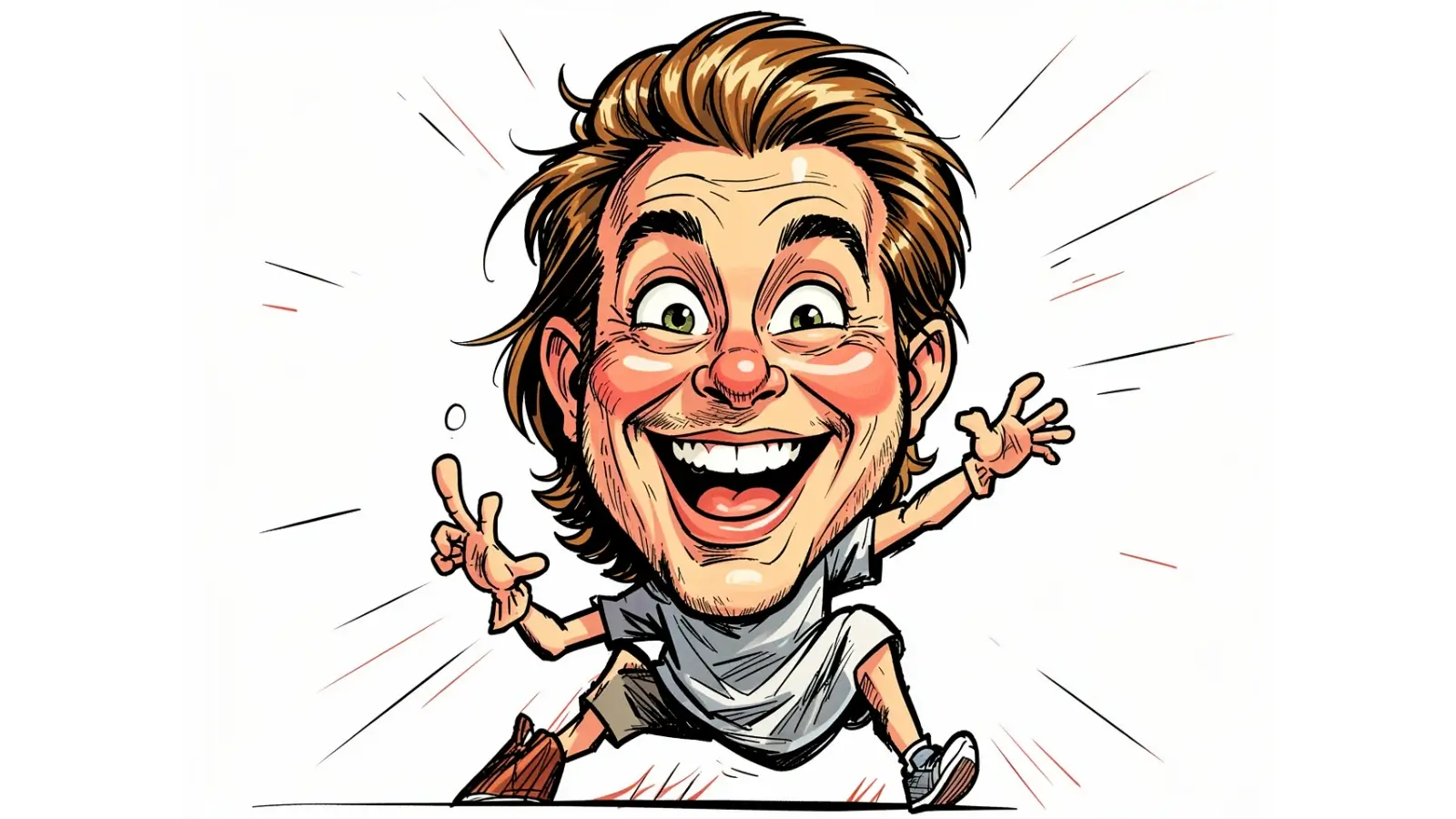
Across social media platforms in 2026, a new visual trend has captured global attention: AI-generated caricatures. From exaggerated cartoon portraits to stylized illustrations that resemble hand-drawn art, people are using artificial intelligence to transform ordinary photos into playful, artistic versions of themselves. What began as a fun experiment has quickly evolved into a full-scale creative movement.
The viral AI caricature trend is more than just another filter craze. It represents a deeper shift in how people express identity, creativity, and individuality in the digital age. By blending advanced machine learning with artistic styles, AI is changing the way portraits are created, shared, and experienced.
The Rise of AI-Powered Digital Portraits
Caricature art has existed for centuries, traditionally created by skilled artists who exaggerated facial features to capture personality and emotion. In the past, commissioning a caricature required time, money, and access to an artist. Today, AI tools can generate a stylized portrait in seconds.
Modern AI models analyze facial structure, expressions, lighting, and artistic references to produce illustrations that feel personalized and expressive. Users simply upload a photo, choose a style, and receive multiple caricature variations instantly.
This accessibility has fueled massive adoption, making caricature creation a mainstream digital activity rather than a niche art form.
Why the AI Caricature Trend Went Viral
The rapid spread of AI caricatures is driven by a combination of novelty, personalization, and social sharing culture.
People enjoy seeing exaggerated versions of themselves because the results feel both familiar and surprising. The images are playful enough to be entertaining but detailed enough to feel meaningful.
Social media platforms amplify this effect. When users share their AI caricatures, friends and followers are inspired to try the same tools, creating a loop of participation that accelerates virality.
At its core, the trend taps into a universal desire: the ability to see oneself through a creative lens.
How AI Caricature Tools Work
Behind every viral caricature is a complex system of neural networks trained on millions of images and artistic styles. These models learn how artists interpret faces, how proportions are exaggerated, and how different visual styles are constructed.
When a user uploads a photo, the AI identifies key facial features and maps them onto a chosen artistic style. The system then generates a new image that balances realism with stylization.
The result is not a simple filter overlay, but a newly created piece of artwork based on learned visual patterns, a foundation that has enabled emerging AI caricature styles such as Caricatronchi to develop.
A New Form of Self-Expression
The viral AI caricature trend highlights how digital identity is evolving. Profile photos are no longer limited to realistic images. People are embracing stylized representations that communicate mood, personality, and creativity.
For some, an AI caricature becomes an avatar. For others, it is a form of visual storytelling. The choice of style, comic, anime, watercolor, cyberpunk, or minimalist, reflects personal taste and self-image.
This shift suggests that online presence is becoming more artistic and less constrained by realism.
Impact on Artists and Designers
AI-generated caricatures have sparked both excitement and concern within creative communities. Some artists worry about competition from automated tools. Others see AI as a new medium that expands creative possibilities.
Many illustrators are now using AI to generate rough concepts or explore new styles before refining the final piece manually. Instead of replacing human creativity, AI is increasingly acting as a creative accelerator.
The trend is also driving demand for custom-trained models based on individual artists’ styles, creating new business opportunities within the creative economy.
Branding, Marketing, and the Business Potential
Brands have quickly recognized the marketing value of AI caricatures. Companies are using stylized portraits for promotional campaigns, personalized customer experiences, and interactive social media content.
Because caricatures feel personal and fun, they encourage engagement and sharing. This makes them powerful tools for building brand awareness in crowded digital spaces.
Entrepreneurs are launching platforms and apps dedicated to AI portrait generation, offering premium styles, customization options, and commercial licenses.
Ethical and Privacy Considerations
As with any AI-driven trend, questions about data usage and consent are becoming more prominent. Users are increasingly concerned about how their photos are stored, processed, and reused.
Responsible platforms are responding by implementing stronger privacy protections, clearer terms of service, and transparent data policies.
Another ethical discussion revolves around artistic credit. As AI learns from existing artwork, creators are calling for better recognition and compensation mechanisms.
These conversations will shape how the trend evolves in the coming years.
Why the Trend Matters Beyond Entertainment
The viral AI caricature trend is not just about fun visuals. It reflects a broader transformation in how humans interact with technology.
People are no longer passive consumers of digital content. They are active co-creators, using AI to shape their own representations and narratives.
This shift points toward a future where creativity is more participatory, personalized, and accessible than ever before.
Final Thoughts
The viral AI caricature trend demonstrates how artificial intelligence is blending art and technology in ways that feel human, playful, and expressive.
As AI tools continue to improve, digital portraits will become even more detailed, customizable, and emotionally resonant. What began as a social media trend may ultimately redefine how people visualize identity in the digital world.
In 2026, one thing is clear: creativity is no longer limited by technical skill. With AI as a collaborator, everyone has the power to turn imagination into art.
Business Outstanders brings you sharp insights on tech, business, entrepreneurship, law, crypto, and more. We uncover what’s next. Stay updated, sign up for our newsletter and be part of the future!