Every decade has a defining year that feels like a turning point. For many people, 2016 symbolized a moment of cultural explosion, new platforms were rising, creativity felt raw and exciting, and the internet still carried a sense of discovery. Now, a growing number of voices are saying something surprising:
This idea does not mean history is repeating itself. Instead, it reflects a collective feeling that the world is entering another phase of rapid change, creative rebirth, and technological momentum. After years of uncertainty, disruption, and digital fatigue, 2026 is beginning to feel like a cultural reset.
Understanding why 2026 is being compared to 2016 reveals deeper shifts in technology, creativity, business, and human behavior.
A New Wave of Digital Optimism
In the mid-2010s, digital platforms felt full of possibility. Social media was still evolving, creators were experimenting freely, and new startups were redefining entire industries. There was a sense that anyone with an idea could build something meaningful.
By 2026, that same energy is resurfacing.
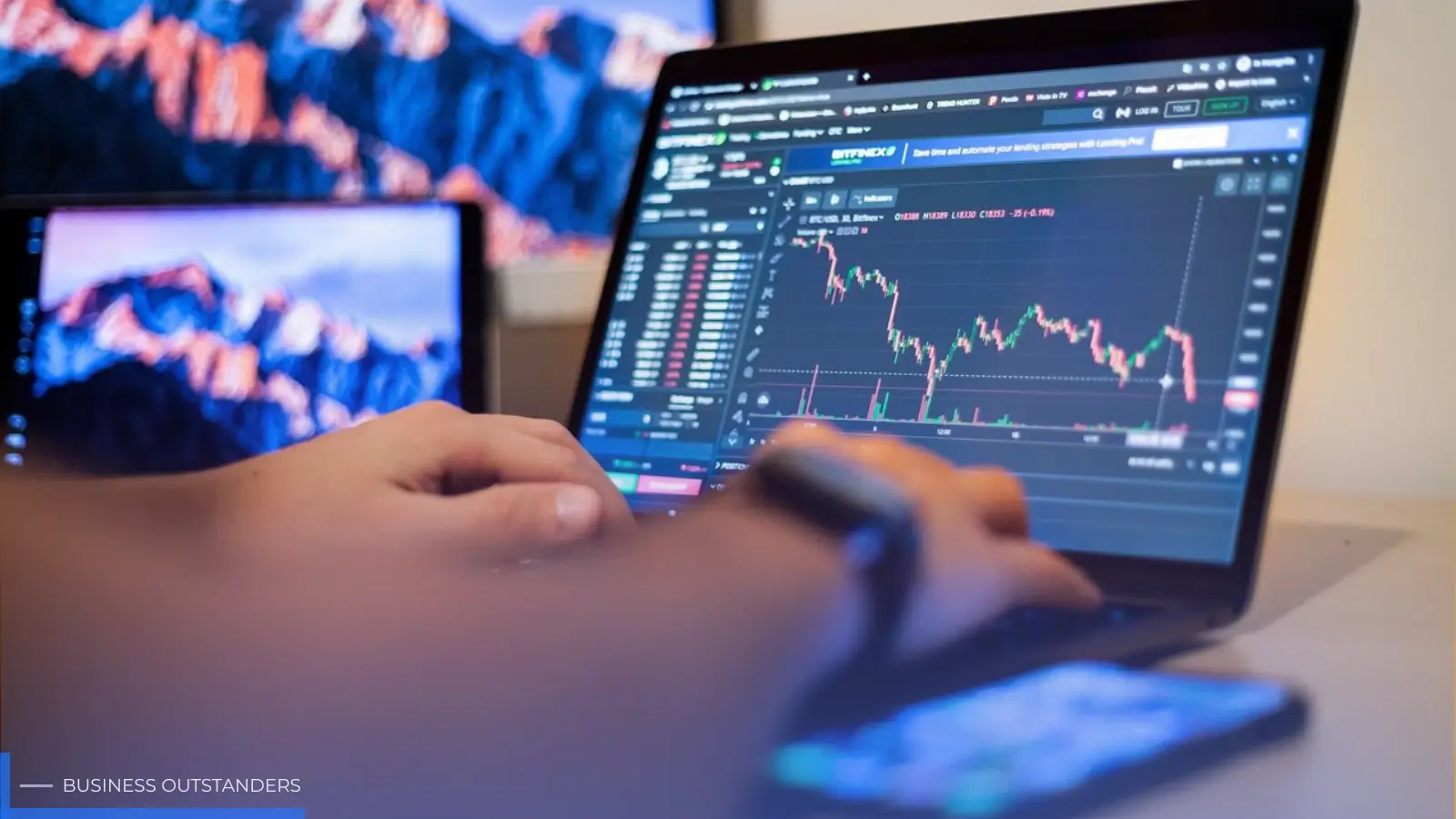
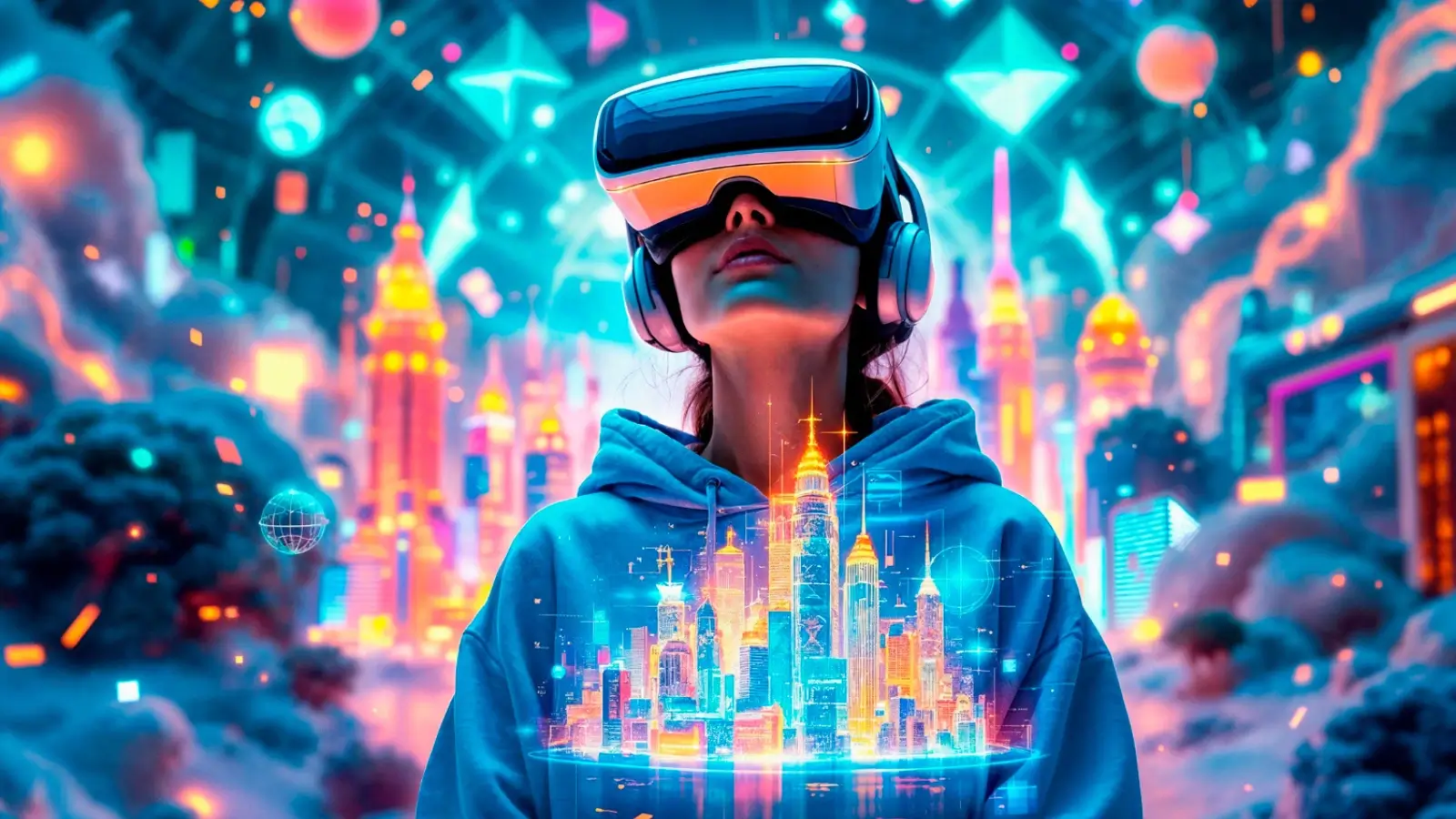
Artificial intelligence, immersive technologies, and creator tools are opening doors in ways similar to how social media and smartphones once did. People are once again exploring, experimenting, and launching projects with a belief that the next big idea could come from anywhere.
This renewed optimism is not naive, it is shaped by experience. Creators and entrepreneurs now understand both the power and the risks of technology, making this new wave more intentional and thoughtful.
The Creator Economy Is Entering Its Second Renaissance
In 2016, becoming a YouTuber, podcaster, or digital influencer was still considered unconventional. Today, the creator economy is a legitimate global industry. But in 2026, it is evolving beyond content creation into full-scale digital entrepreneurship.
Creators are building brands, launching products, owning platforms, and leveraging AI to scale their work. Just as 2016 produced the first generation of internet-native celebrities, 2026 is producing a new generation of creator-founders.
This shift feels similar to the early days of social media fame, but with one major difference: creators now think like business owners from day one.
Technology Feels Transformational Again
One of the reasons 2016 stands out in memory is because technology felt exciting and revolutionary. New apps, devices, and platforms were constantly changing daily life.
In recent years, innovation felt more incremental than transformational. That perception is changing in 2026.
AI assistants, generative media, virtual collaboration spaces, and automation tools are reshaping how people work and create. The pace of change feels fast again. More importantly, these tools are accessible, not limited to large corporations.
This accessibility mirrors the smartphone and social media boom of the 2010s, where powerful technology suddenly became available to everyday users-now most visibly through artificial intelligence reshaping creative industries and how ideas are made and shared.
A Cultural Shift Toward Authenticity
In 2016, raw, unfiltered content thrived. People valued authenticity over polish. Over time, digital spaces became saturated with overly produced, algorithm-driven content.
In 2026, audiences are gravitating back toward authenticity.
People are seeking creators who feel human, brands that stand for something real, and stories that reflect genuine experience. Imperfection is becoming attractive again. This mirrors the early social media era, when personality mattered more than perfection.
This shift is redefining marketing, entertainment, and online identity.
Startups Are Becoming Lean and Purpose-Driven
The startup culture of 2016 was fueled by bold ideas and rapid experimentation. Many of today’s entrepreneurs see 2026 as a return to that mindset, but with more discipline.
Instead of chasing growth at all costs, founders are focusing on solving real problems, building sustainable revenue models, and creating long-term value.
AI-powered tools make it possible to launch startups with smaller teams and lower budgets, similar to how cloud computing empowered startups a decade ago.
This is why many people feel the same entrepreneurial spark that defined 2016.
A Generation Redefining Success
In 2016, success started shifting away from traditional career paths toward freelancing, remote work, and digital entrepreneurship.
By 2026, this shift is fully embedded in global culture.
Success is now defined more by flexibility, creative freedom, and impact than by job titles or corporate ladders. People want meaningful work, not just stable paychecks.
This mindset echoes the spirit of 2016 but with greater maturity and clarity.
Why People Are Saying “2026 Is the New 2016”
At its core, the phrase captures a feeling, not a statistic.
It reflects the sense that the world is standing at the edge of another major cultural and technological transformation. There is curiosity in the air again. There is momentum. There is a belief that something big is about to happen.
Just like 2016, 2026 feels unpredictable, but full of possibility.
Final Thoughts
2026 is not a repeat of 2016.
It is an evolution.
The tools are more powerful. The audience is more aware. The creators are more experienced. But the underlying energy, the excitement of building, experimenting, and discovering, is strikingly familiar.
If 2016 was the beginning of the digital-first world, then 2026 may be the beginning of the intelligent, creator-driven, purpose-led world.
And that is why so many people are saying:
2026 is the new 2016.
Business Outstanders brings you sharp insights on tech, business, entrepreneurship, law, crypto, and more. We uncover what’s next. Stay updated, sign up for our newsletter and be part of the future!