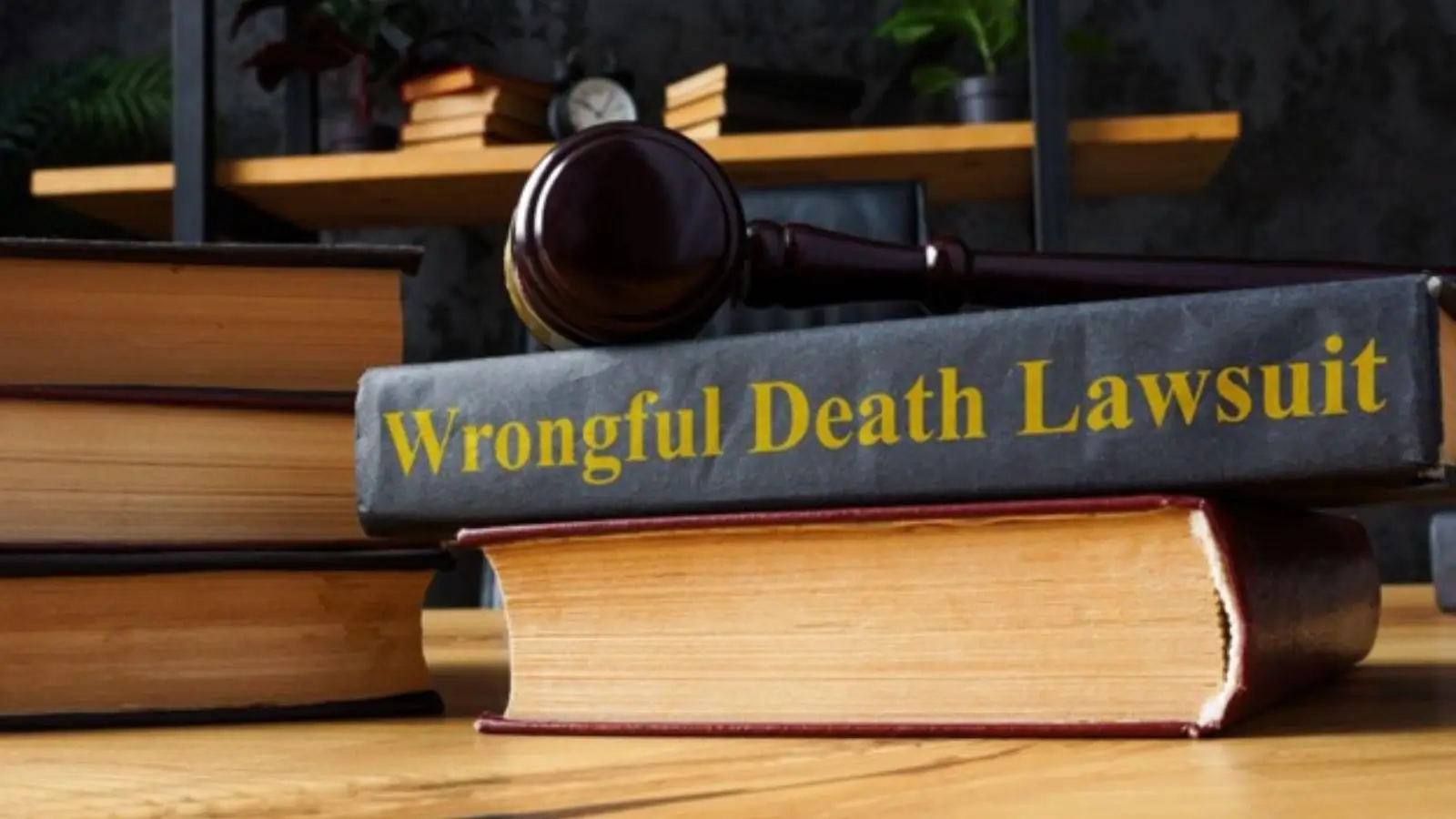
Losing a loved one is hard enough. Losing them because someone else’s careless actions caused their death adds a layer of frustration and confusion. In Texas, families have rights to pursue justice through wrongful death claims. These legal actions exist to hold negligent parties accountable and to secure compensation for those left behind.
A skilled wrongful death lawyer in Dallas or elsewhere in Texas can guide families through the process, helping them understand their options, deadlines, and potential outcomes. These cases are not just about money — they are about ensuring responsibility is taken seriously.
What Is a Wrongful Death Claim?
A wrongful death claim is a civil lawsuit filed when someone dies due to another person’s negligence, intentional actions, or misconduct. This can occur in many situations:
- Car, truck, or motorcycle accidents
- Workplace accidents or industrial incidents
- Medical mistakes or malpractice
- Defective products or equipment
- Unsafe premises or negligent security
The law allows family members to seek compensation for the losses they experience, which may include financial support, medical and funeral expenses, and the emotional suffering caused by the death.
In Texas, only certain relatives can file a wrongful death claim. This typically includes spouses, children, and parents. Understanding who qualifies and how to file is a key reason why legal guidance is essential.
Why Legal Representation Makes a Difference
Wrongful death cases are rarely straightforward. Insurance companies may try to minimize payouts, and the defendants’ side may dispute liability. A skilled lawyer helps families by:
- Investigating the incident thoroughly
- Gathering evidence, including accident reports and expert testimony
- Understanding Texas-specific laws and deadlines
- Negotiating settlements or taking the case to court if necessary
Without professional guidance, families might accept an inadequate settlement or face delays that prevent full compensation.
Key Factors in a Wrongful Death Case
Several factors determine whether a claim is strong and what compensation might be available:
- Negligence or misconduct: Proving the other party failed to act responsibly
- Direct cause: Showing that the negligent actions directly led to the death
- Damages: Quantifying financial losses, medical costs, lost future income, and emotional suffering
- Qualified claimants: Ensuring the right family members are pursuing the claim
Each of these elements requires careful documentation and a clear strategy. For instance, understanding how liability is determined in accidents and negligent acts can make the difference between a successful claim and a denied case.
Compensation in Texas Wrongful Death Cases
Compensation can cover a range of damages:
- Medical expenses leading up to the death
- Funeral and burial costs
- Loss of financial support
- Loss of companionship or emotional support
Texas also allows for claims of mental anguish and suffering caused by the loss. Calculating these amounts requires careful assessment, which is why having an experienced lawyer is important.
Timing and Legal Deadlines
Texas sets strict time limits for filing wrongful death claims. The statute of limitations is typically two years from the date of death. Missing this deadline can bar the case entirely. Acting promptly ensures that evidence is preserved, witnesses can be contacted, and families have the strongest chance at fair compensation.
Navigating the Legal Process
Filing a wrongful death claim can feel overwhelming, but a knowledgeable attorney helps simplify the steps:
- Case evaluation: Assessing whether the circumstances meet the legal requirements for a wrongful death claim
- Evidence collection: Gathering police reports, medical records, and expert testimony
- Filing the lawsuit: Preparing and submitting legal documents correctly and on time
- Negotiation or trial: Representing the family during settlement talks or in court if necessary
This process requires both legal expertise and an understanding of Texas law, including how courts view negligence, liability, and damages.
Moving Forward After a Tragic Loss
Losing someone to another party’s negligence is devastating, but families don’t have to face the legal process alone. A wrongful death lawyer guides them through each step, ensuring that their rights are protected and that responsible parties are held accountable.
Seeking justice is not only about financial compensation — it’s about making sure that negligence is addressed and that families have the resources to move forward. With proper guidance, families can focus on healing while knowing their case is in capable hands.
If you’ve lost a loved one due to another party’s actions in Texas, consulting an experienced lawyer can help you understand your rights and take the necessary steps to pursue justice.
Business Outstanders brings you sharp insights on tech, business, entrepreneurship, law, crypto, and more. We uncover what’s next. Stay updated, sign up for our newsletter and be part of the future!