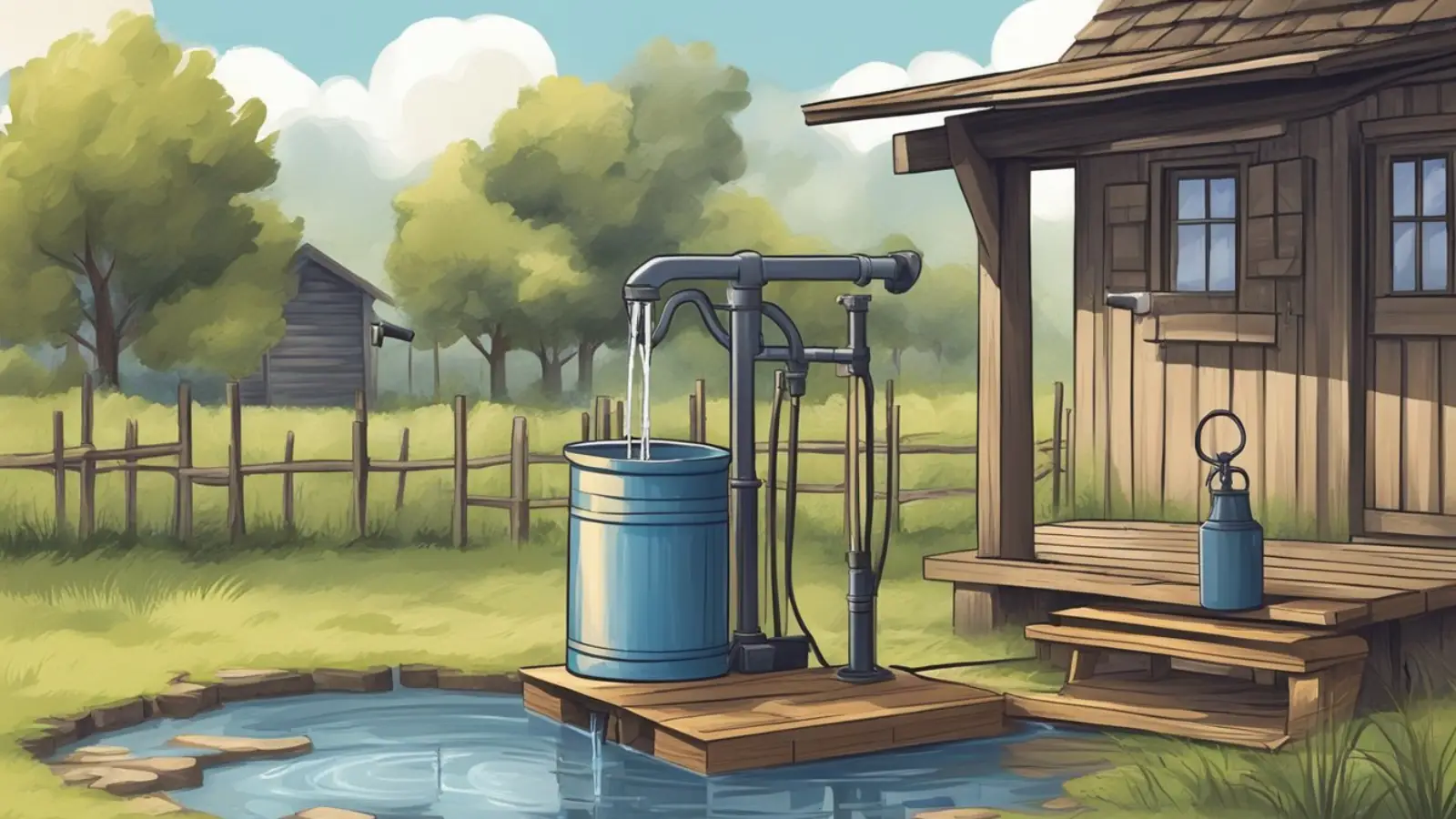
Access to clean and reliable water is a crucial aspect of modern living. For rural homeowners, real estate investors, and property managers, ensuring a sustainable water source is even more vital.
Self-sufficient water systems, such as wells and rainwater harvesting setups, offer independence, sustainability, and cost-effectiveness. This blog explores the key benefits of such systems in rural areas, helping you weigh their value for your property.
Why Consider Self-Sufficient Water Systems?
Living in rural areas often means limited access to municipal water services, making self-sufficient water systems an essential alternative. These systems, which include water wells and rainwater collection methods, provide a dedicated and reliable water source tailored to your specific location. But the benefits of adopting these systems go beyond just having water on hand.
Key Advantages of Self-Sufficient Water Systems
1. Independence From Municipal Water Supplies
One of the most significant advantages of self-sufficient water systems is the independence they offer. Rural properties often operate far from city-managed water supplies, which can be expensive or challenging to access. A private well or similar system ensures that you’re not reliant on external providers for your basic water needs, greatly enhancing self-reliance.
2. Cost Savings in the Long Term
Although installing a water system like a well or rainwater tank comes with upfront costs, these investments pay for themselves over time. Once installed, private wells have minimal ongoing costs—primarily maintenance and energy for water pumps. This eliminates monthly municipal water bills, potentially saving thousands of dollars over the years.
3. Eco-Friendliness and Sustainability
Many self-sufficient water systems promote environmental sustainability:
-
Water Wells tap into underground aquifers, reducing waste and conserving reservoirs managed by cities.
-
Rainwater Harvesting Systems collect and store rainfall, repurposing a natural resource that might otherwise cause runoff and erosion.
By adopting these methods, property owners contribute to water conservation, an increasingly critical global concern.
4. Reliable Water Supply
Municipal water supplies can be vulnerable to disruptions caused by natural disasters or maintenance issues. Properties with self-sufficient systems, however, are better equipped to maintain consistent access to water even during unpredictable situations. Additionally, water wells often offer access to clean underground sources, further enhancing reliability.
5. Opportunity for Customization
Private water systems can be tailored to meet the specific needs of a property. Whether you need water for household use, livestock, irrigation, or all three, a self-sufficient system can be optimized to manage water use and capacity efficiently. Through technologies like solar-powered pumps, owners can further enhance system efficiency and energy usage.
6. Positive Impact on Property Value
Investing in a self-sufficient water system can boost the resale value of a rural property. Homebuyers and real estate investors value the long-term sustainability and cost savings of properties that come equipped with private water supplies. This can make your property more attractive in a competitive real estate market.
How Do Water Wells Factor Into Rural Living?
Water wells are one of the most widely used self-sufficient water systems, particularly for rural living. By drilling into underground aquifers, wells provide a consistent supply of natural water that can support a wide range of needs.
Water Well Installation and Maintenance
The installation of a water well requires professional expertise to ensure safety and regulatory compliance. For those interested in installing wells, water well drilling in Utah is a reliable option for accessing groundwater effectively. Once installed, regular maintenance—such as pump inspections, water quality tests, and cleaning—is needed to ensure the well continues to perform optimally.
Water Quality and Treatment
While wells provide access to natural water sources, it’s essential to test and treat the water to ensure its safety for consumption. Solutions like filtration systems and UV treatment can remove impurities, providing clean water for drinking, cooking, and other household uses.
Are Self-Sufficient Water Systems Right for You?
If you manage a rural property, self-sufficient water systems make a strong case for both short-term and long-term benefits. They offer freedom from municipal systems, lower water utility expenses, and sustainable practices that benefit the environment. Furthermore, reliable and customizable systems such as wells can significantly enhance your property’s value and functionality.
By choosing the setup that best fits your property’s needs, you can enjoy both economic and environmental advantages while securing a steady water supply.
Business Outstanders brings you sharp insights on tech, business, entrepreneurship, law, crypto, and more. We uncover what’s next. Stay updated, sign up for our newsletter and be part of the future!