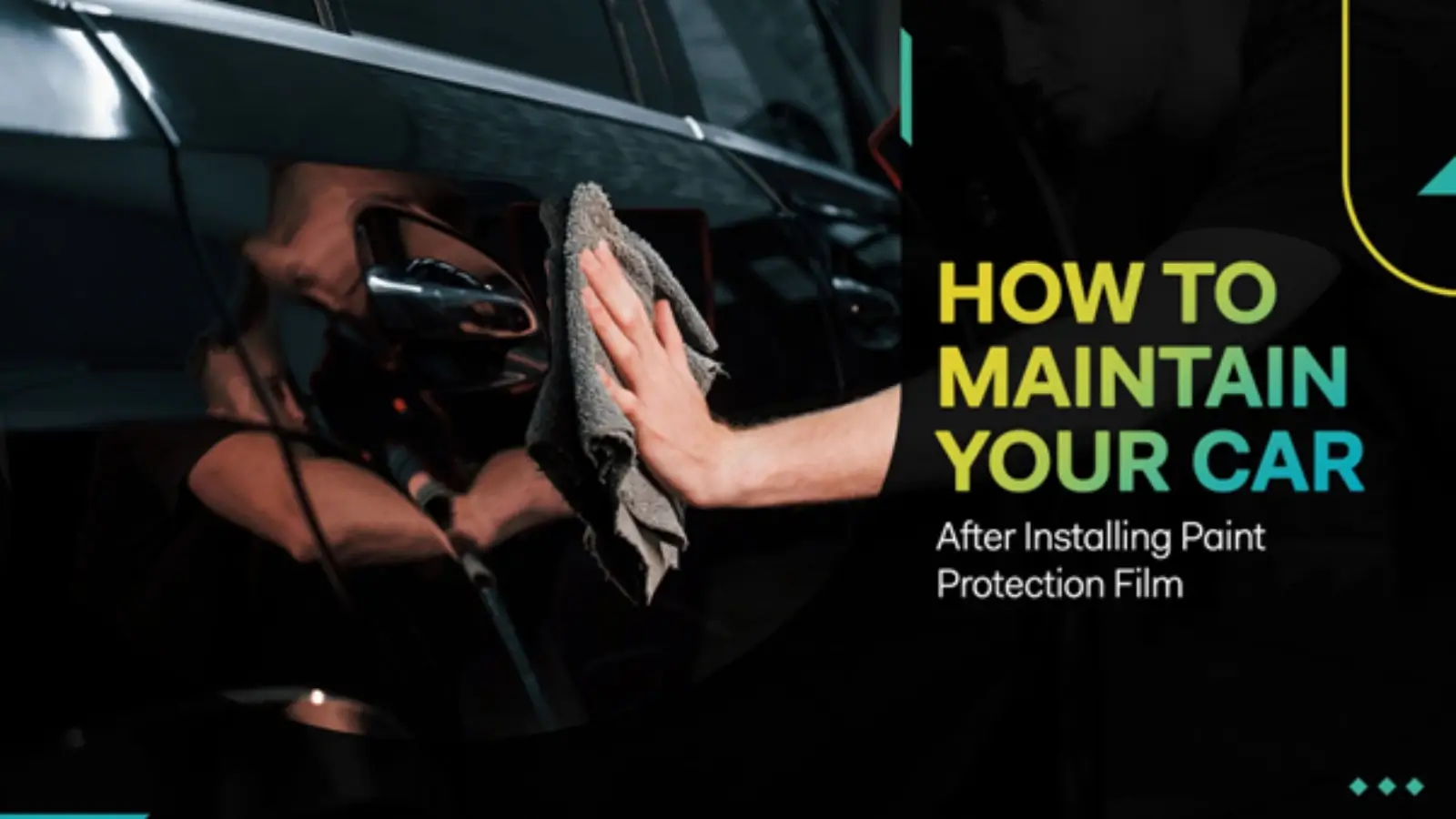
You’ve finally invested in ppf coating for your car. Great move! Think of it like giving your car an invisible shield against scratches, chips, and everyday road abuse. But here’s a truth many owners forget: PPF may be strong, but it’s not invincible.
If you want that fresh, glossy look to last for years, proper care is key. The good news? Maintaining a PPF-protected car is easier than you think. You don’t need to be a car geek or spend hours every week polishing. With the right habits and a few simple tricks, you can keep your car looking like it just rolled out of the showroom.
In this blog, we’ll cover everything from the basics of PPF care to expert tips you probably haven’t heard before. Consider this your complete playbook for keeping your car’s armor strong and spotless.
Why Caring for PPF Matters
PPF is built tough. It resists scratches, self-heals under heat, and takes the hits that would otherwise scar your paint. But dirt, grime, and poor maintenance can still ruin its finish.
Here’s what happens if you don’t care for it:
- Edges start to peel because of built-up dirt
- The film turns dull and hazy over time
- Water spots and bird droppings leave marks if left untreated
- The lifespan of the film reduces significantly
Caring for your PPF isn’t about pampering—it’s about protecting your investment. After all, you probably spent a good chunk getting it installed, so why cut corners now?
Golden Rule: The First 7 Days After Installation
Before we dive into long-term care, let’s talk about the “healing phase.” After your car gets PPF, there’s a 7-day period where the film settles and adhesives cure.
During this time:
- 🚫 Avoid washing your car (let the film bond properly)
- 🚫 Don’t apply wax or coatings
- 🚫 Stay away from pressure washers
- ✅ Park in shade if possible to prevent premature stretching
Think of it like getting a tattoo. The first few days are crucial to how it heals.
Washing Your PPF-Protected Car
Car washes are where most owners go wrong. Washing the wrong way can scratch or weaken the edges of your PPF. Here’s how to do it right:
1. Hand Wash is King
Stick to a two-bucket method—one for soapy water, one for rinsing. Use a microfiber mitt instead of sponges (sponges trap dirt and cause swirls).
2. Avoid Harsh Chemicals
Strong detergents or degreasers can eat into the film. Always use a pH-balanced car shampoo.
3. Pressure Washer Caution
If you’re using a pressure washer, keep it at least 3 feet away and never point directly at the film’s edges. That’s the quickest way to lift PPF.
4. Dry Properly
Skip rough towels. Use a soft microfiber drying towel and blot instead of rubbing. Or better yet—use a car dryer blower.
Handling Everyday Hazards
Your car is always under attack—from the sky, the road, even the trees above your parking spot. Here’s how to deal with the usual suspects:
- Bird Droppings: Acidic and nasty. Wipe off immediately with a damp microfiber towel. Don’t scrub—dab gently.
- Tree Sap: Use a mild bug & tar remover that’s safe for PPF. Avoid scraping.
- Insects: Clean them as soon as possible; their remains can stain if left for long.
- Water Spots: Use a quick detailer spray to wipe them before they etch into the film.
The trick is speed. The faster you clean these, the less likely they’ll damage your PPF.
Waxing and Sealants: Yes or No?
A lot of owners ask: can you wax a car with PPF? The answer is yes—but with conditions.
- Only use waxes that are PPF-safe (avoid petroleum or naphtha-based products).
- Ceramic sealants can be applied on top for added hydrophobicity, but avoid abrasive polishes.
- Don’t go crazy with layers. One thin coat is more than enough.
This not only keeps the PPF looking glossy but also makes cleaning even easier.
Dealing With Scratches on PPF
Here’s the cool part about PPF: it can “heal” itself. Light scratches and swirl marks disappear when the film is exposed to heat.
Try this:
- Park your car under the sun for a few hours.
- Or pour warm (not boiling) water over the affected area.
If the scratch is deep and cuts through the film, though, no amount of heat will fix it. In that case, the damaged section may need replacement.
Things to Absolutely Avoid
If you want your PPF to last, stay away from:
- Automatic car washes with brushes—they’re a PPF killer.
- Strong solvents like kerosene, gasoline, or paint thinner.
- Dry wiping the car (always use water or quick detailer).
- Clay bars—they can tug and lift the edges.
- Overstretching the film by parking in extreme heat for too long.
Long-Term Care: Extending PPF Lifespan
A high-quality paint protection film can last 5–10 years. But with proper care, you can easily push it to the higher end of that range.
Here’s how:
- Wash once every 1–2 weeks
- Use quick detailer sprays between washes
- Park under cover whenever possible
- Inspect edges regularly for lifting
- Reapply sealant once every 6 months for that glossy finish
Think of it as routine check-ups for your car’s armor. Little habits go a long way.
Signs Your PPF Needs Attention
How do you know if your PPF is in trouble? Watch for:
- Yellowing or discoloration
- Bubbling under the surface
- Lifting at corners or edges
- Loss of clarity or haze
These are early warning signs. Catch them in time, and most can be fixed before they spread.
Can You Replace Just a Section of PPF?
Yes! You don’t need to redo the whole car if only one panel is damaged. That’s the beauty of PPF. A professional can remove the damaged section and replace just that area.
It’s a cost-saver and makes maintenance much less intimidating.
Pro Tips You’ll Love
Here are some underrated but game-changing PPF care hacks:
- Use a foam cannon for washing—it’s gentle and effective.
- Always wash top-to-bottom (dirt settles at the bottom).
- Keep a small spray bottle of water + quick detailer in your car for emergencies like bird droppings.
- Don’t peel off tiny bubbles on your own. Most disappear as the film breathes.
- If possible, invest in a ceramic coating on top of PPF for that ultimate combo of gloss + protection.
Final Thoughts
PPF is like insurance for your car’s paint. But just like insurance, it works best when you maintain it. The good news? It doesn’t take rocket science or fancy tools—just smart habits and a little consistency.
So the next time you wash, dry, or wax your car, remember: you’re not just cleaning. You’re extending the life of your car’s shield, preserving its shine, and keeping it resale-ready.
Treat your PPF with care, and it’ll keep your car looking showroom-new for years to come.
Business Outstanders brings you sharp insights on tech, business, entrepreneurship, law, crypto, and more. We uncover what’s next. Stay updated, sign up for our newsletter and be part of the future!