Introduction: Dutch Workplace Catering Standards
The Netherlands maintains strict workplace welfare regulations under the Working Conditions Act. Facilities employing more than fifty personnel must provide adequate eating areas with proper food preparation equipment. Logistics centers operate round shifts, requiring reliable cooking appliances for staff canteens. A freestanding electric stainless steel convection range meets these requirements through durable construction and consistent performance. Dutch energy efficiency standards encourage electric cooking over gas alternatives, reducing carbon emissions in warehouse operations.
Technical Overview and Canteen Applications
Core Design Principles
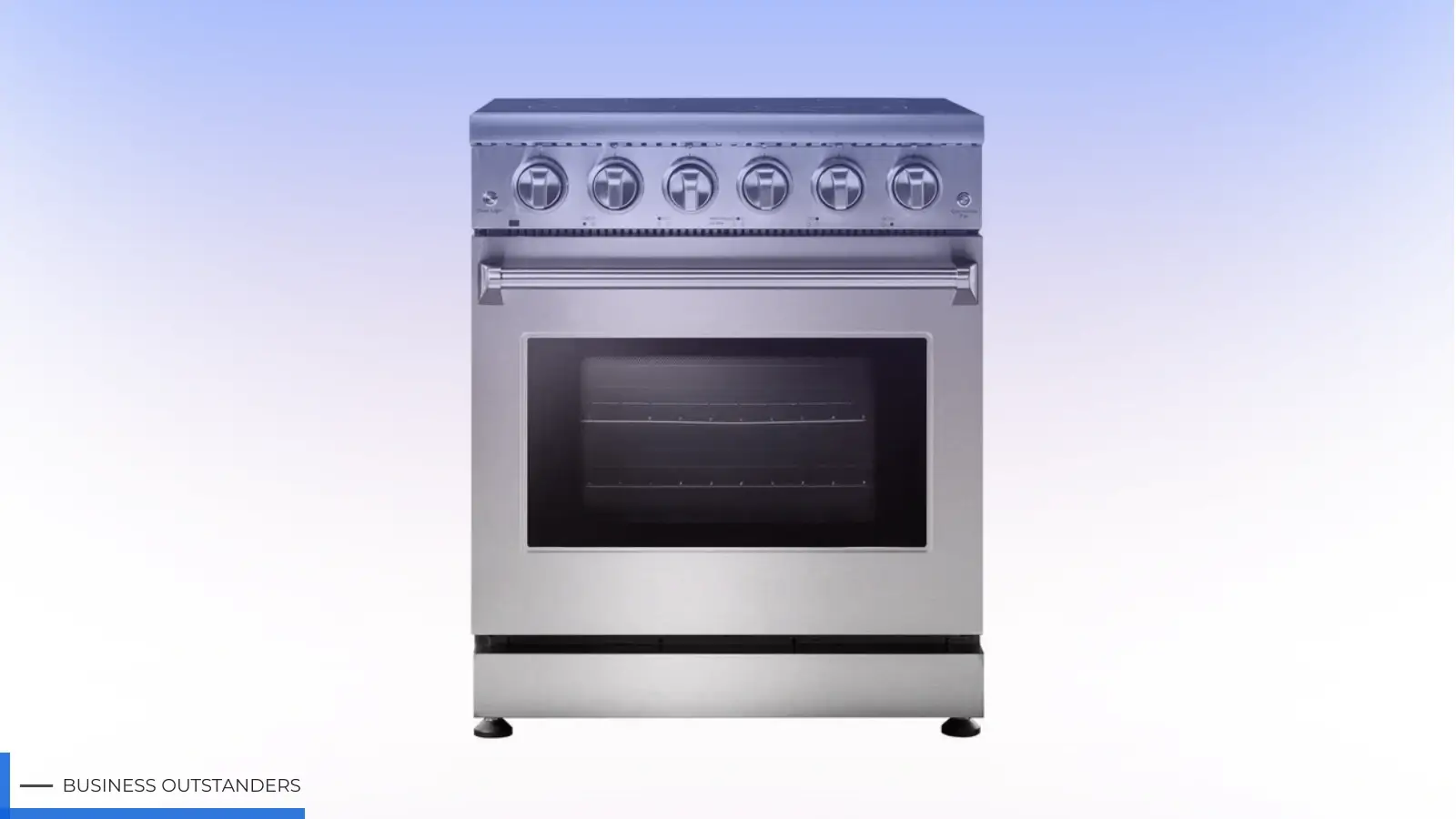
The unit combines a ceramic glass cooktop with a convection oven in one freestanding chassis. Stainless steel exterior resists corrosion from cleaning agents and food acids. The cooktop features five heating elements, including dual burners for varied pan sizes. The oven uses a fan to circulate hot air, eliminating cold spots and reducing cooking time by approximately twenty-five percent.
Logistics Facility Uses
Warehouse canteens prepare hot meals for shift workers using this equipment. Conveyor belt operators reheat packaged foods efficiently. Maintenance teams utilise the oven for tool drying and parts warming in cold storage areas. The convection function suits batch cooking for large groups, producing uniform results across multiple trays.
Efficiency and Safety Contributions
Operational Productivity
Electric ranges eliminate gas line installation costs and monthly connection fees. Instant heat control reduces cooking delays between shifts. The large oven capacity of 4.55 cubic feet accommodates meals for fifty personnel in two baking cycles. Six rack positions allow simultaneous cooking of different food types, optimising canteen staff workflow.
Safety Enhancements
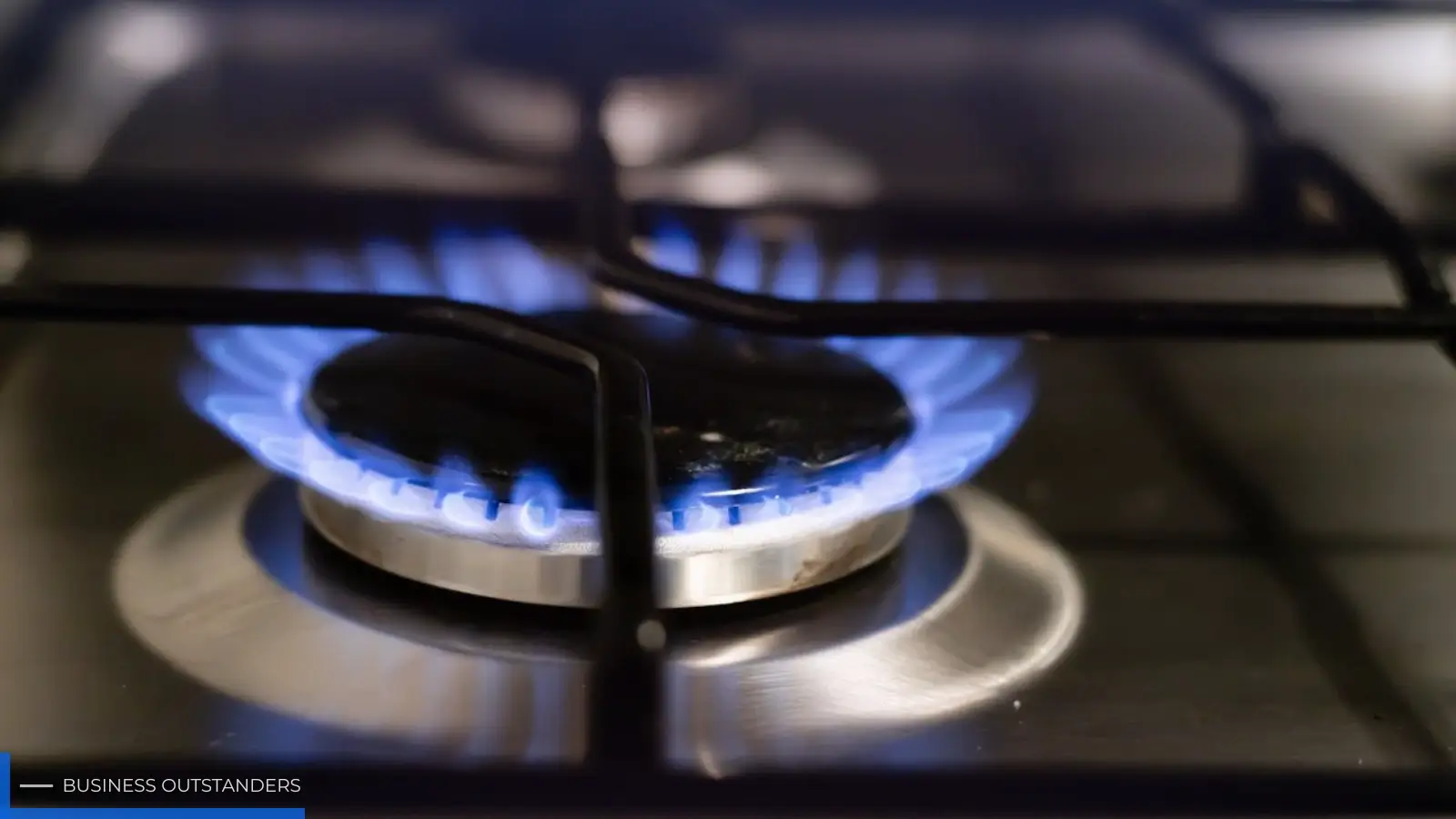
Electric operation removes carbon monoxide and nitrogen dioxide risks associated with gas combustion. The polished glass ceramic cooktop provides a flat, spill-containment surface reducing slip hazards. Blue light emitting diode indicators show active heating zones clearly, preventing accidental contact burns. The exterior stays cooler than gas equivalents, lowering burn risks during high-volume service periods.
Technical Specifications and Installation Considerations
Electrical Requirements
The unit operates at 240 volts and 60 hertz, drawing substantial current during peak heating. Dedicated circuits with appropriate breakers prevent overload trips. Industrial facilities typically have 400 volt three-phase power; a step-down transformer may be necessary. Electricians must verify local code compliance before installation.
Construction Materials
Stainless steel surfaces resist rust from humidity and cleaning chemicals. The cooktop uses polished glass ceramic, tolerant of temperature changes without cracking. Oven racks receive chrome plating for corrosion resistance. The chassis includes adjustable levelling feet to compensate for uneven canteen floors.
Venting Requirements
Electric ranges produce less airborne grease than gas equipment but still require exhaust hoods. Local Dutch building codes mandate mechanical ventilation above commercial cooking appliances. Facilities without existing hoods must add extraction systems rated for electric range output.
Factors Influencing Performance and Longevity
Cleaning Procedures
Glass ceramic cooktops need non-abrasive cleaners to avoid surface scratches. Spilled food must be removed before carbonisation occurs. Stainless steel exterior should be cleaned with mild detergent and soft cloths. Abrasive pads or steel wool will permanently damage both cooktop and exterior surfaces.
Power Quality
Voltage fluctuations affect heating element performance and service life. Warehouses with heavy machinery may experience line voltage drops. Installing voltage regulators or dedicated range feeders improves consistency. Frequent circuit breaker trips indicate undersized electrical supply requiring upgrade.
Usage Patterns
Continuous high-heat operation reduces heating element lifespan. Rotating cooking tasks between burners extends component life. The convection fan motor requires periodic cleaning to prevent lubrication failure. Oven door seals degrade with repeated high-temperature cycles and need quarterly inspection.
Safety Measures and Best Practices
Installation Guidelines
- Verify dedicated electrical circuit
- Install anti-tip bracket kit
- Maintain clearance from walls
- Test ground fault protection
Operational Safety
Never place flammable materials near operating range. Use dry oven mitts for hot cookware removal. Keep cooktop surface clear of utensils when not in use. Turn off all controls after cooking completion. Train all canteen staff on emergency power disconnection procedures.
Equipment Types and Complementary Accessories
The TMG Industrial freestanding design occupies thirty inches of width, fitting standard canteen counter spaces. Convection technology distinguishes this unit from conventional radiant ovens. Supplementary equipment includes commercial range hoods sized for electric cooktops. Non-stick baking sheets protect oven racks from food residue. Infrared thermometers verify cooktop temperature accuracy. Timer devices with audible alerts prevent overcooking during busy periods. Heat-resistant silicone mats protect glass ceramic surface from heavy pot impacts. Splatter screens reduce aerosolised grease reaching ventilation systems.
Advantages and Limitations
Advantages:
- No gas connection required
- lower indoor air pollution
- instant temperature control
- uniform oven heating
Limitations:
- Higher electricity consumption during peak periods
- slower initial heat-up than gas
- professional installation required
- glass ceramic crack risk from heavy impacts
Conclusion and Future Industry Direction
Dutch logistics facilities continue transitioning from gas to electric cooking appliances. This shift aligns with national carbon reduction targets and workplace safety improvements. Future convection ranges will integrate induction cooktops for faster heating with lower surface temperatures. Smart controls with programmable recipes may reduce canteen staff training requirements. Energy storage systems paired with ranges could shift power consumption to off-peak hours.
Business Outstanders brings you sharp insights on tech, business, entrepreneurship, law, crypto, and more. We uncover what’s next. Stay updated, sign up for our newsletter and be part of the future!