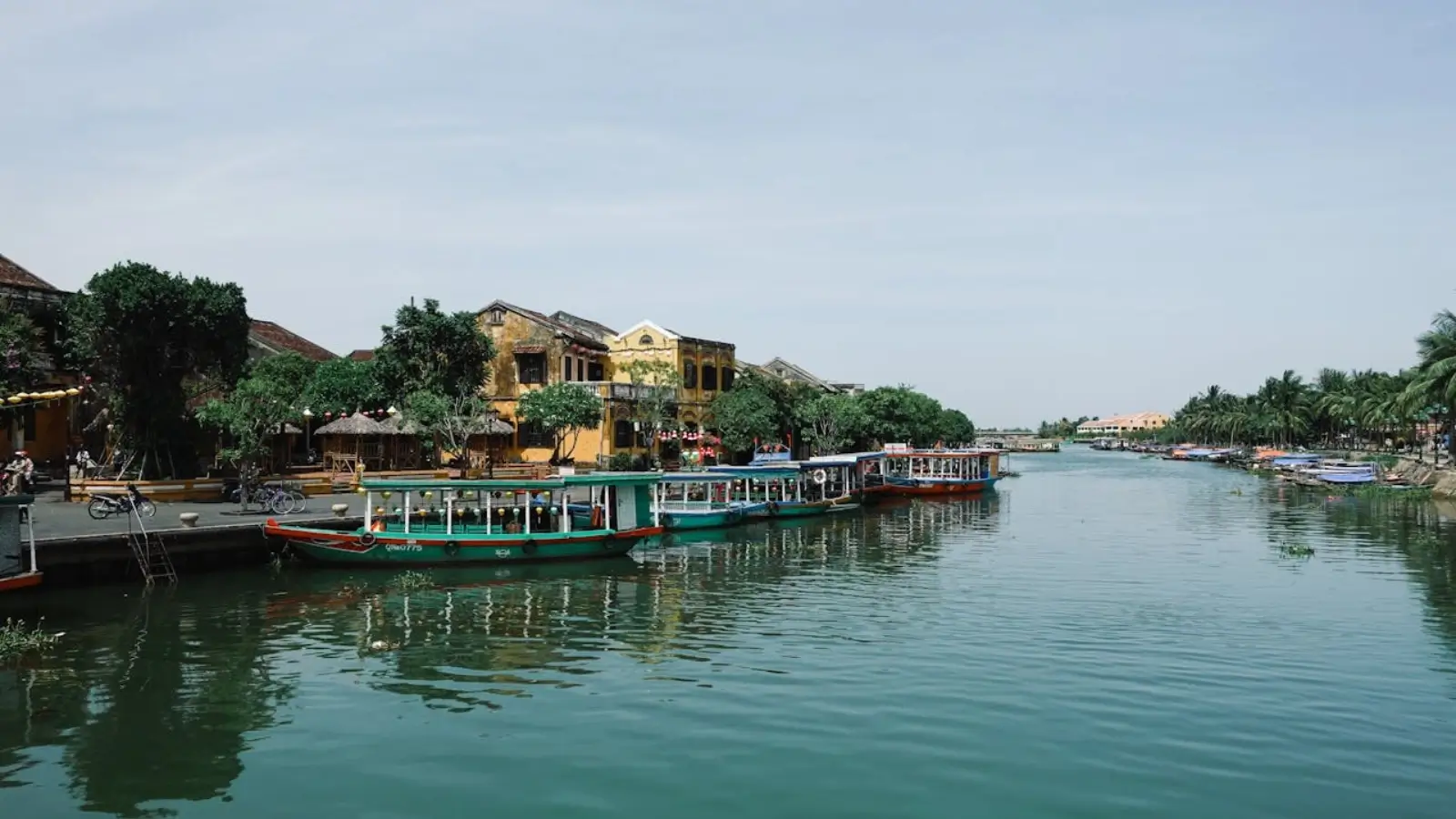
Tourism's boomed lately, linking different ways of life while helping cash flow and letting folks visit spots they used to just imagine. Still, it hasn't been without issues - nature’s taking a hit, traditions are shifting, locals sometimes get left behind. Because of that, more attention now goes toward traveling smarter - a mindset catching on among tourists and city developers alike. This isn’t about trends; it’s doing right by places we visit, so future trips stay possible.
Understanding Sustainable Tourism
Sustainable tourism means traveling in ways that reduce damage to nature, yet still honor local cultures and help communities thrive. Instead of focusing just on comfort or money like regular tourism does, it looks ahead at how places will survive over time. Visitors are urged to behave thoughtfully - caring for customs, treating people fairly, looking after ecosystems along the way. By doing so, favorite spots stay alive, kept intact - not ruined - for those who come later.
Environmental Protection and Responsible Travel Practices
Looking after nature’s a big part of responsible travel. Places like coastlines, woodlands, highlands, or underwater reefs can get damaged when swamped by tourists. Crowds piling into spots stress fragile habitats that take ages to bounce back.
To tackle this issue, plenty of places now use greener methods - like capping how many people arrive each day, handling trash smarter, pushing items you can reuse, or backing stays that care about nature. Tourists help out too, swapping plastics for alternatives, riding cleaner transport options, while keeping a safe distance from animals. When added up, these steps pack a real punch in cutting down harm to ecosystems.
Preserving Local Culture and Heritage
Sustainable travel puts focus on keeping cultures alive. Lots of places rely on age-old traditions, old landmarks, or genuine lifestyles to bring in tourists. Still, when tourism grows too big, real heritage can fade - or get buried under crowds and profit-driven changes.
Wearing appropriate clothes, following photo guidelines, or acting politely shows you value how people live there. Buying from hometown makers, joining festivals, or exploring historic spots with care can keep customs alive. Travelers who do these things often feel more connected - and help make sure ways of life don't fade away.
Community Benefits and Fair Economic Contribution
One key part of eco-friendly travel? Making sure nearby people get a fair share of the money brought in. In certain areas, booming tourism helps big corporations instead of hometown shops fighting to survive. Good travel spreads income more evenly - think neighborhood eateries, guesthouses run by locals, or tours guided by residents.
Locals who guide visitors, sell homemade goods, or host travelers at home keep money flowing locally. Because of this, jobs pop up, hardship drops, also neighborhoods grow tougher. For example, travelers planning international trips, including those exploring ทัวร์ญี่ปุ่น, may consider community-based experiences that support local livelihoods.
The Rise of Slow and Meaningful Travel
A fresh idea in eco-friendly trips is called "slow travel." Rather than zipping between spots fast, it pushes people to linger more, take things easy, while soaking up real local life. Doing this cuts down pollution from endless moving around, also keeps busy sites less packed.
Slow travel makes trips feel deeper. Instead of rushing, people talk to locals, see how they live, maybe wander quiet spots most tourists miss. It’s less about visiting everywhere, more about truly being somewhere.
Technology’s Role in Supporting Sustainability
Technology’s now a handy way to boost eco-travel. Online spots let tourists check green choices, go through tips, or figure out proper conduct at various places. Apps on phones give live info about how busy locations are, so people can skip packed zones.
Virtual trips let folks check out places from home - no need to move an inch. On the flip side, cities are using smarter setups like eco-friendly buses, e-tickets for sites, or tech-driven trash handling to ease pressure on nature.
Government Policies and Global Initiatives
Govts plus global groups help guide eco-friendly travel rules. Some nations use laws to save nature, control building, or keep visitors safe. Nature reserves, animal shelters, green power efforts, or smart city designs now pop up in travel plans.
Groups such as the UNWTO back worldwide green targets by promoting mindful travel while sharing tips so places can lower harm to nature.
How Travelers Can Contribute
Sustainable travel isn't just up to officials or companies - every traveler plays a key part. Things like sorting waste, honoring traditions, helping local shops, or picking green stays can make a real difference.
Travelers might skip busy times, hop on buses or trains, bring stuff they can use again, yet check out places ahead of time. Tiny choices, when added up, could still make a difference - helping nature while giving local areas a boost.
Conclusion
Sustainable travel isn't just popular - it's key for how we explore the planet going forward. Since people now care more about impact, places adjust ways to save nature and culture over time. When tourists follow eco-friendly habits, locals benefit while keeping things fair and considerate. That way, Earth’s unique spots stay alive and meaningful far into the future.
Business Outstanders brings you sharp insights on tech, business, entrepreneurship, law, crypto, and more. We uncover what’s next. Stay updated, sign up for our newsletter and be part of the future!