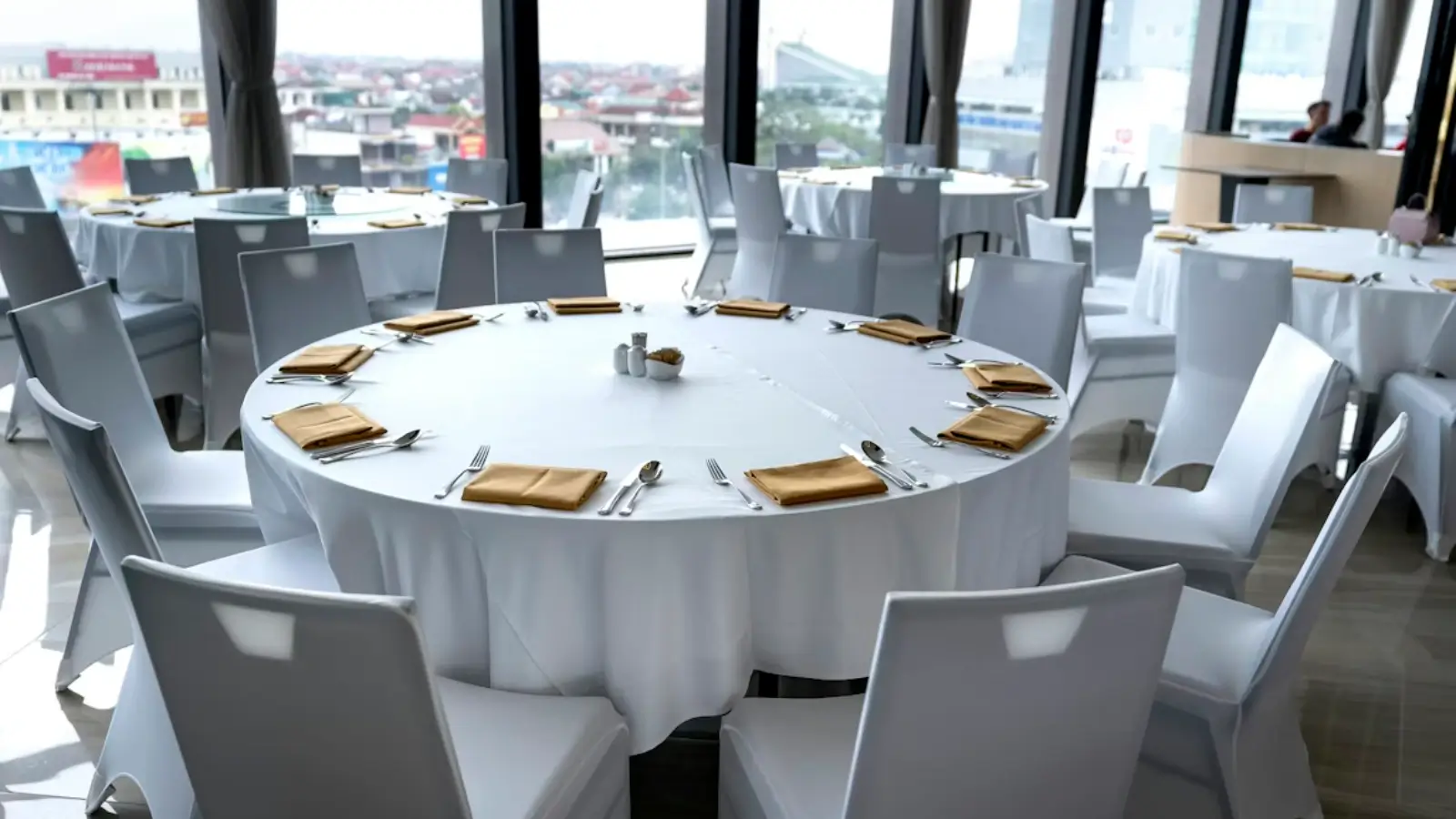
Hosting a dinner for shareholders is more than a nice meal. It is a chance to build trust. It also sets the tone for future conversations.
In the US, right now, consumer spending has slowed down. Yet, the real GDP is expected to grow by almost 2 percent in 2026. Earlier in 2025, however, investors were moving their money out of the US and into Europe. This is never a good thing, as investors or shareholders will only do this when they don’t have confidence in a stock.
Shareholders want clarity, warmth, and confidence from leadership. A well-planned dinner can quietly deliver all three. The goal is connection, not a sales pitch. When people feel respected, they listen more openly.
If you’re hosting a dinner for your company’s shareholders, here are a few tips to ensure that the event is successful.
1. Be Clear About the Purpose
Before choosing anything, define why you are hosting this dinner. Is it about updates, gratitude, or long-term alignment? A clear purpose guides every decision afterward. It shapes the guest list and the tone. It also helps speakers stay focused.
Shareholders appreciate the intention. They notice when events feel thoughtful. Keep conversations aligned with your goal. Avoid cramming too many messages into one night. Simplicity works better in social settings. When the purpose is clear, the evening flows naturally. Guests leave understanding why their presence mattered.
2. Pick a Good Venue
Choosing the right place can shape the entire experience. For instance, the NYSE has over 2,000 companies listed, and yours might be one of them. And, if you’re also based in New York, it makes sense to look for event venues in NYC for your dinner party.
Look into event venue rental options early. According to The Farm Soho, good event venues help set the mood. The right setting supports a perfect event without trying too hard. For a special event like this, comfort matters.
The perfect space should accommodate groups without feeling crowded. Think about noise levels and easy movement. This is a special occasion, not a rushed meeting. Ideal locations support relaxed hosting. They also accommodate conversation and service smoothly.
3. Curate the Guest List Carefully
Not every shareholder needs the same setting. Think about group dynamics before sending invites. A balanced mix encourages better conversation. Avoid seating people with unresolved conflicts together. That tension can spread quickly.
Smaller tables often feel more personal. They help quieter guests speak up. Consider seniority without making it awkward. Everyone should feel valued at the table. Name cards can reduce confusion. They also prevent uncomfortable moments.
Thoughtful seating shows respect. Shareholders often notice these small touches more than you expect.
4. Plan a Menu That Feels Inclusive
Food sets the emotional tone of the evening. Choose a menu that feels generous but not flashy. Ask about dietary needs in advance. This shows care without making a big deal. Avoid overly messy or heavy dishes.
Comfort should guide your choices. Good pacing matters as much as flavor. Long gaps can kill conversation. Consider cultural preferences when possible. Shareholders come from varied backgrounds. A considerate menu helps everyone relax. When guests eat comfortably, discussions feel easier. That comfort reflects well on your company.
5. Keep the Program Light and Engaging
A shareholder dinner is not a board meeting. Keep speeches short and genuine. One or two speakers are usually enough. Focus on gratitude and shared direction. Avoid dense data or slides. This is about relationships, not reports. Let the evening breathe between courses.
Casual conversation builds trust faster than formal talk. Be mindful of timing. Dragging late can feel disrespectful. End on a positive note. When the program feels light, guests stay engaged. They remember how the night felt, not the exact words.
6. Pay Attention to Atmosphere and Details
The atmosphere often speaks louder than words. Lighting should feel warm, not harsh. Music, if used, should stay subtle. Decorations should match your brand personality. Avoid anything distracting or trendy.
Staff behavior also shapes impressions. Friendly service sets a relaxed tone. Make sure hosts are visible and approachable. Small gestures go a long way. A sincere welcome matters. So does a thoughtful goodbye. When details align, the dinner feels effortless. That ease reflects strong leadership and care.
FAQs
How to host a business dinner?
Hosting a business dinner requires planning and professionalism. Choose a suitable venue, set a clear purpose, and keep the guest list focused. Arrange seating thoughtfully, plan a balanced menu, and manage timing carefully. Polite conversation, attentive hosting, and subtle follow-ups help leave a strong, lasting impression.
What is the number one mistake when hosting a dinner party?
The number one mistake when hosting a dinner party is poor planning. Not preparing food, timing, or seating in advance can cause stress and awkward moments. A lack of attention to guest comfort, dietary needs, or flow of the evening often leaves guests feeling neglected or uncomfortable.
How to be a good host for a dinner party?
Being a good dinner party host means making guests feel welcome and relaxed. Greet everyone warmly, keep food and drinks flowing, and manage the pace of the evening. Stay attentive without hovering, encourage conversation, and handle any issues calmly so guests can enjoy themselves fully.
How to organize a company's annual dinner?
Organizing a company's annual dinner starts with setting a budget, guest count, and objective. Choose an appropriate venue, plan catering and entertainment, and send invitations early. Coordinate logistics like seating, audio equipment, and schedules. Clear communication and advanced planning ensure a smooth, memorable corporate event.
A shareholder dinner is an investment in relationships. When done right, it builds confidence quietly. From venue to follow-up, consistency matters. A well-hosted evening strengthens trust. That trust supports your company long after plates are cleared.
Business Outstanders brings you sharp insights on tech, business, entrepreneurship, law, crypto, and more. We uncover what’s next. Stay updated, sign up for our newsletter and be part of the future!